
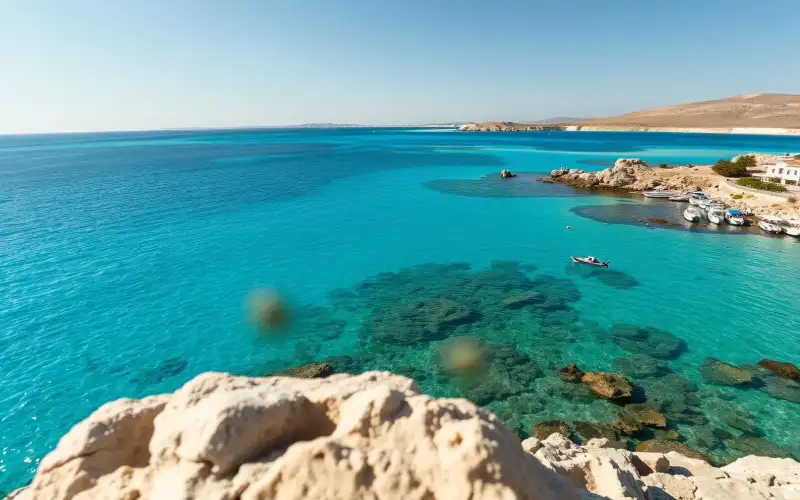
I watched a speedboat full of 40 tourists arrive at the Blue Lagoon at 11:47 a.m. on a Tuesday in July. Within minutes, the crystalline water looked like a swimming pool at a holiday resort. The skipper cut the engine, and everyone tumbled in at once—no snorkelling briefing, no mention of the Posidonia seagrass below, just chaos. That's when I realised most people have no idea what they're actually signing up for when they book a "Blue Lagoon boat trip."
I've been guiding hikers and beach-goers around the Akamas Peninsula for over a decade. I know the tides, the weather windows, the operators who genuinely respect this place, and the ones who treat it like a fairground ride. The Blue Lagoon is stunning—genuinely world-class—but it's also fragile, increasingly crowded, and full of operator pitfalls that most tourists never see coming.
What You're Actually Booking: The Reality vs. the Marketing
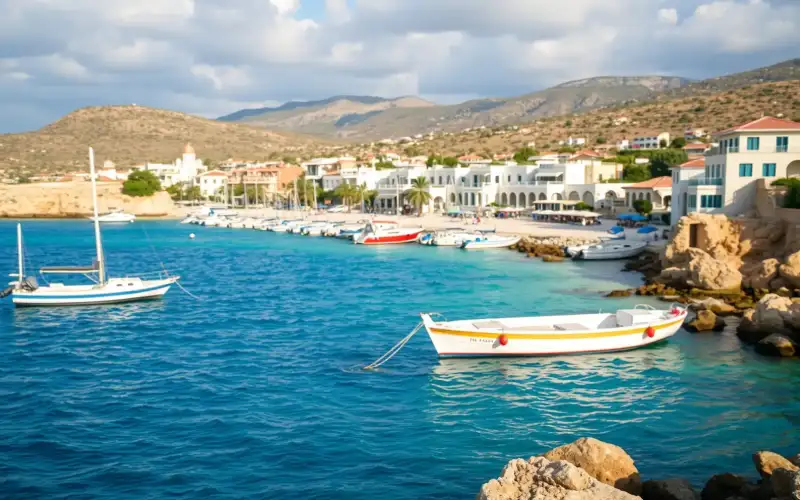
The Blue Lagoon sits in a sheltered cove on Akamas's northwestern tip, roughly 40 kilometres northwest of Paphos town. The water is warm (around 24–26°C in summer), shallow (rarely deeper than 8 metres), and that famous turquoise colour comes from white sand and limestone, not some magical mineral.
Here's what the brochures don't tell you: the lagoon itself is about 200 metres across. That's not huge. On a calm day, it can comfortably hold maybe 60–80 people before it starts feeling rammed. Most boat operators run trips with 30–50 passengers per boat, and they often send multiple boats to the same spot within the same hour. Do the maths.
The journey itself takes roughly 90 minutes from Latchi harbour (the main departure point). You're looking at a minibus pickup from Paphos (usually 7–8 a.m.), a 45-minute drive to Latchi, then the boat ride. Total time from hotel to water: three hours. Most tours give you 90 minutes in the lagoon itself. That's a long day for what amounts to a couple of hours swimming.
The operators fall into three categories: the big tour companies (40–50 passengers, assembly-line efficiency, often poor environmental practices); the mid-range independents (20–30 passengers, variable quality); and the small, locally-run outfits (8–15 passengers, usually family operations, genuinely care about the place). Prices range from €35 to €80 per person, depending on group size and what's included. Lunch, snorkelling gear, and hotel pickup all add cost.
Timing: When to Go (and When to Avoid)
This is the secret weapon that separates a good experience from a miserable one.
Peak season (June–September) is absolute madness. The lagoon is packed from 10 a.m. to 4 p.m. daily. If you're visiting in summer, you've essentially lost the battle before you start. Operators know this and exploit it—they run more boats, cram more people, and rely on volume rather than experience.
Shoulder seasons (April–May, September–October) are genuinely excellent. The water is warm enough (22–24°C), the weather is stable, and crowds are maybe 40% of summer levels. May is perhaps the single best month: wildflowers are still blooming on the Akamas trails, the sea is calm, and you'll share the lagoon with perhaps 100–150 people across the whole day rather than 500+. Early October is similar.
Winter (November–March) is viable if you're hardy. Water temperatures drop to 16–18°C, and weather becomes unpredictable. Rough seas mean cancellations. But if you go in a mild spell—say, late February or early March—you'll have the place almost entirely to yourself. I've been to the Blue Lagoon in March with just one other boat in sight. The water is cold, but the solitude is priceless.
Time of day matters enormously. The first boats arrive around 10 a.m. Peak congestion is 11 a.m.–2 p.m. If you can arrange an early departure (7 a.m. from Latchi, arriving around 8:30–9 a.m.), you'll have 90 minutes of relative peace before the main rush. Later departures (3 p.m. or 4 p.m.) also work, though you'll lose some daylight.
Choosing an Operator: The Questions You Should Ask
Not all boat operators are equal. Here's what I've learned from years of watching them work:
Ask about passenger numbers upfront. If they won't tell you, walk away. Reputable operators are proud of their small groups. A company running 15–20 passengers is infinitely better than one running 45. Ask what the maximum capacity is—the legal limit is usually higher than what ethical operators use.
Inquire about snorkelling practices. Do they brief passengers on not standing on seagrass? Do they provide proper snorkelling instruction? Do they monitor how people behave in the water? Small operators do this; big ones don't. The Posidonia seagrass beds around the lagoon are protected—they're not just nice to have, they're legally protected. Operators who don't care about this are operating illegally.
Check if they're licensed by the Cyprus Department of Merchant Shipping. This isn't glamorous, but it matters. Ask for their registration number. Legitimate operators have it. You can verify it if you're paranoid (and you should be).
Ask about their fuel and engine type. Modern, well-maintained engines produce less pollution. Old, poorly maintained ones belch diesel fumes into a marine protected area. Operators with newer boats usually have better environmental standards overall.
Look for operators based in or near Latchi itself. They have a reputation to maintain locally. Operators who fly in, run trips, and disappear the next day have zero incentive to care about sustainability.
Specific operators I'd recommend (based on 2026 feedback from locals and regular visitors): Akamas Boat Trips runs small groups and has genuinely knowledgeable skippers; Latchi Water Sports maintains their equipment obsessively; and several independent fishermen offer private charters for €150–250 for a small group—pricier, but you're essentially hiring a local who knows every inch of the coast.
The Environmental Elephant in the Room
Let's be honest: the Blue Lagoon is being loved to death.
The area is technically a Natura 2000 protected site, which means it has legal environmental protections. In reality, enforcement is patchy. Operators anchor in seagrass beds, tourists stand on protected plants, fuel spills happen, and the sheer volume of daily visitors stresses the ecosystem. The water quality remains good (it's regularly tested), but the biological diversity is declining. Fish populations are noticeably lower than they were five years ago.
If you care about this—and if you're booking a boat trip, you should—here's what you can do:
- Don't stand on seagrass. Ever. It takes years to recover from a single footstep.
- Wear reef-safe sunscreen (zinc oxide or titanium dioxide based, not chemical filters). Oxybenzone and octinoxate kill coral and seagrass.
- Don't touch the rocks or the water's edge unnecessarily. Oils from your skin damage delicate ecosystems.
- Support operators who use mooring buoys instead of anchoring. It's a small thing, but it matters.
- Avoid visiting in peak summer if you can. Your absence is the best environmental gift you can give.
"The Blue Lagoon is stunning, but it's not infinite. Every visitor has an impact. Choose your operator and timing carefully, and you're part of the solution rather than the problem."
Practical Logistics & What to Actually Bring
Most boat trips depart from Latchi harbour, a working fishing village about 30 kilometres north of Paphos. Getting there without a rental car is difficult—expect to pay €40–60 for a minibus pickup from your hotel. If you're driving yourself, parking at Latchi is €2–3 per day and usually hassle-free.
Bring a good quality rash guard or wetsuit top if you're visiting outside July–August. The sun reflection off the water is intense, and you'll burn even in the water. Reef-safe sunscreen is essential. A waterproof bag for your phone and valuables is standard.
Most operators provide snorkelling gear (mask, fins, snorkel), but it's often low-quality and uncomfortable. If you snorkel regularly, bring your own. The visibility is usually 10–15 metres, which is decent but not spectacular—you'll see small fish, some sea urchins, and the occasional grouper, but don't expect a tropical reef experience.
Lunch is sometimes included (check when booking). If it's not, bring your own or budget €12–18 for a basic meal at Latchi. There are a couple of tavernas near the harbour with decent mezze platters.
The boat ride can be bumpy in windy conditions. If you're prone to seasickness, take medication an hour before departure. Ginger tablets or acupressure bands work for some people.
Common Mistakes & How to Avoid Them
After watching hundreds of tourists arrive at the Blue Lagoon, I've noticed patterns. Here are the pitfalls:
Booking with a random operator from a hotel leaflet. These are usually the big, impersonal companies. Do your research online. Read recent reviews on independent sites (not just operator websites). Ask your hotel staff which operator they'd actually use themselves—their answer often differs from what they recommend to guests.
Expecting a quiet, serene experience in summer. It won't happen. Either visit in shoulder season or accept that you're going to share the lagoon with dozens of other people. Manage your expectations accordingly.
Not checking the weather forecast. Winds can pick up quickly in afternoon, making the boat ride rough and sometimes leading to cancellations. Morning departures are safer and calmer.
Underestimating how long the whole day takes. From hotel to water and back, you're looking at 6–7 hours minimum. It's not a quick dip—it's a full day commitment.
Ignoring the seagrass. I've watched tourists wade through protected Posidonia beds without a second thought. It's illegal and destructive. Your operator should brief you on this before you enter the water. If they don't, they're not professional.
Is the Blue Lagoon Worth It?
Yes, but with caveats. The water is genuinely beautiful, the setting is dramatic, and if you time it right and choose your operator carefully, it's a memorable experience. The snorkelling is decent if you keep expectations realistic. The boat ride along the Akamas coast is scenic—you'll pass sea caves and dramatic cliffs that you can't see from land.
But it's not a life-changing experience. It's a nice beach day with a boat ride attached. If you're visiting Paphos and you enjoy water activities, it's worth doing once. If you're visiting multiple times, skip it some years and explore the quieter coves along the Akamas coast instead. There are dozens of small beaches and coves accessible by hiking or driving that offer similar water quality with a fraction of the crowds.
The real magic of Akamas isn't the Blue Lagoon—it's the peninsula itself. The hiking trails, the wildflowers in spring, the birdlife, the sense of remoteness. The lagoon is the headline, but the supporting cast is what makes this corner of Cyprus special. Visit the lagoon if you want, but don't miss the rest.
Comments (4 comments)