
The Wrong Turn That Led Me Right
It was October 2015 when I made the mistake that became my education. I'd lived in Paphos for only three years then, still thinking of myself as a visitor despite my residence permit. A hired Nissan Micra, a vague notion that Troodos was "somewhere up the mountain," and an overconfidence born of having navigated English country lanes—I set off without a map, convinced I'd find my way.
I didn't. Instead, I found myself on a hairpin bend near Pano Panagia at 4 p.m., fuel gauge hovering near empty, with no signal on my mobile. What should have been a straightforward mountain drive had become a small crisis. A local farmer in a battered pickup stopped, gestured at my car with something between pity and amusement, and pointed me toward the nearest village—Kakopetria, he said, was still forty kilometres away.
That wrong turn, however, taught me something invaluable: the Troodos mountains demand respect, planning, and a willingness to deviate from the obvious tourist circuit. Over the past decade, I've refined that initial chaotic journey into something approaching expertise. This guide is what I wish I'd had that October afternoon.
The Geography of Getting There: Routes and Reality
From Paphos town centre to the highest Troodos villages is roughly 90 kilometres, but distance is a misleading measure on these roads. What matters is elevation gain, road condition, and the particular village you're targeting. There are three main routes from Paphos, each with distinct advantages depending on your priorities and the season.
Route One: The Western Approach via Polis and Kritou Marottou
This is the longest route by distance—approximately 110 kilometres—but it's the gentlest on your vehicle and nerves. From Paphos, you drive north toward Polis (about 40 kilometres, taking roughly 50 minutes on the B7), then cut inland toward Kritou Marottou. The road climbs gradually through pine forests, and you'll reach the Troodos plateau at around 1,400 metres elevation. The advantage here is that the gradient is manageable, the road surface is well-maintained, and you pass through less-visited villages like Kritou Marottou itself—a wine-producing area where local producers still sell directly from their homes for €4–€6 per bottle.
Fuel cost for this route: approximately €12–€14 return in a standard petrol car (2026 prices). Journey time: approximately 2.5 hours one way. Best for: those uncomfortable with steep mountain driving, anyone visiting in winter when snow is possible, and wine enthusiasts.
Route Two: The Central Route via Paphos-Troodos Road
This is the most direct approach and the one most tourists take. The B9 from Paphos climbs steeply through Tsada, Pano Panagia, and Pano Amiantos, reaching the Troodos plateau in roughly 90 minutes. The elevation gain is significant—you'll climb from sea level to 1,700 metres in just 65 kilometres—and the road includes several sections with gradients exceeding 10%. In winter, this route can be treacherous; in summer, it's perfectly manageable.
Fuel cost: approximately €10–€12 return. Journey time: approximately 1.5 hours one way. Best for: experienced mountain drivers, summer travel, and those wanting maximum time in the villages.
Route Three: The Eastern Loop via Lemesos and Platres
If you're prepared for a longer day, approaching from the east via Lemesos (Limassol) and the village of Platres offers access to different mountain villages and avoids the steepest sections of the B9. This route is particularly valuable if you're combining a Troodos trip with a visit to the Lemesos wine region. Journey time from Paphos: approximately 3 hours one way, making it viable only if you're staying overnight or willing to sacrifice village time.
The Villages: Where to Stop and Why
Omodos: The Obvious Choice, Done Properly
Omodos sits at 900 metres elevation and is undoubtedly the most famous Troodos village. On weekends, especially in summer, it heaves with tour groups. The main square (plateia) is lined with souvenir shops selling identical lace tablecloths and bottles of zivania—the local firewater that tastes like it could dissolve paint. Most visitors spend 45 minutes, buy something they don't need, and leave.
The trick to Omodos is timing and direction. Arrive on a weekday morning—Tuesday or Wednesday—before 11 a.m., and you'll have the village largely to yourself. The famous Monastery of the Holy Cross, which dominates the square, opens at 8:30 a.m. and is worth 20 minutes of your time. The wine press museum (housed in a restored traditional building) is genuinely interesting if you're curious about 19th-century agricultural life, though the €2 entry fee seems optimistic.
For lunch, ignore the restaurants facing the square. Instead, walk down the narrow side street (Odos Omirou) toward the lower plateia. You'll find Taverna Omodos, run by a woman named Sophia who's lived in the village for 68 years. Her meze platter—€12 per person—includes her own cheese, locally cured olives, grilled halloumi, and whatever she's cooked that morning. No menu, no pretence. She'll ask if you have allergies; beyond that, you eat what she's made. This is where locals eat, and it's why you came to the mountains.
Lofou: The Quieter Alternative
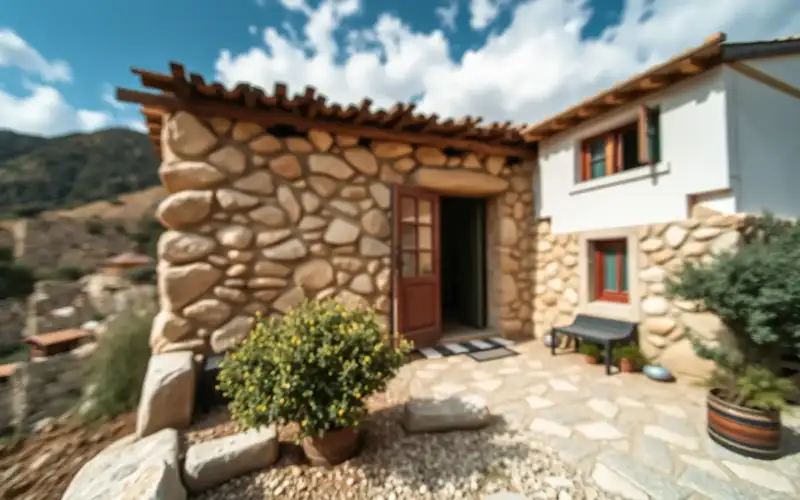
Lofou sits just 8 kilometres south of Omodos, at 750 metres elevation, and receives perhaps one-tenth of the visitors. The village is built on a steep hillside with narrow stone streets that seem designed to defeat cars and tourists in equal measure. There's no plateia, no monastery, and no souvenir shops—just stone houses, a small church, and genuine silence.
Park at the lower entrance and walk upward. The effort takes about 15 minutes and yields a view across the Paphos wine region toward the coast. The village has two working tavernas: Lofou Taverna and To Spiti Mas. Both serve traditional food, both are run by families who've lived here for generations, and both will seem shocked that you've found them. Expect to pay €10–€14 for a three-course meze lunch. The wine list is short and excellent; the local red from Tsangarides winery (€6 per glass) is worth trying.
Lofou's real value lies in what it isn't: it's not a destination, it's a discovery. If you're interested in how Cypriot mountain villages actually function—where people live, how they eat, what they value—Lofou teaches you more in two hours than Omodos does in a day.
Kakopetria: The Byzantine Heart
At 680 metres elevation, Kakopetria is the lowest of the three major villages on this route, but it's arguably the most historically significant. The village sits astride the Karkotis River and has been continuously inhabited since the Byzantine period. More importantly, Kakopetria is the gateway to three exceptional Byzantine churches that most tourists never reach.
The village itself is pleasant—a working community with a proper supermarket, a post office, and restaurants that serve locals rather than tourists. The main square has a plane tree that's been there since at least 1920, and the old stone houses are being gradually restored by owners who actually live in them.
The churches are the draw. Ayia Nikolaos tis Stegis (Church of St. Nicholas of the Roof), located about 2 kilometres outside the village, is a UNESCO World Heritage site and one of the finest surviving examples of Byzantine architecture in Cyprus. Built in the 11th century and added to over subsequent centuries, it contains frescoes dating from the 11th to 16th centuries. The entrance fee is €2, and the church is open daily from 9 a.m. to 4 p.m. (though these hours are notional in winter—phone ahead if you're visiting November to March). The interior is cool, dark, and profoundly moving. The frescoes have survived because the church's distinctive pitched roof protected them from weather and, during the Ottoman occupation, from deliberate destruction.
The second church, Panagia tou Araka, lies another 3 kilometres away and requires a short walk. This 12th-century church is smaller than Ayia Nikolaos but equally important historically. The frescoes here are vivid—Christ Pantocrator gazes down from the dome with an intensity that's unsettling in the best possible way.
For lunch in Kakopetria, avoid the main square restaurants and head to Taverna Psilo Dendro, located on the road toward Ayia Nikolaos. Run by Yiannis and his wife Maria, it's been operating since 1987 and hasn't changed much since. The meze is €13 per person, the wine is local and honest, and the pace is deliberately slow. This is where to spend 90 minutes, not 45.
Practical Considerations: Fuel, Roads, and Seasons
Fuel and Vehicle Requirements
The Troodos route doesn't require a four-wheel-drive vehicle, but it does demand respect for your car's capabilities. A standard petrol car with reasonable ground clearance is adequate for the main routes. Diesel vehicles are slightly more economical but less common in rental fleets. Expect fuel consumption to increase by 15–20% on mountain roads due to lower oxygen density at altitude and constant gear-changing.
Current (2026) petrol prices in Cyprus hover around €1.25 per litre. A round trip from Paphos to Kakopetria via the B9 route will consume approximately 8–10 litres, costing €10–€12.50. Budget an extra €3–€4 if you're taking the longer western route.
Road Conditions and Seasonal Driving
The B9 between Paphos and Troodos is well-maintained and driveable year-round, but conditions vary significantly by season. In summer (June–September), the road is clear and dry, though afternoon temperatures in lower villages can exceed 35°C. Bring water.
Autumn (October–November) is ideal: temperatures are moderate (18–25°C in the villages), the light is golden, and the roads are dry. This is peak season for a reason.
Winter (December–March) is hazardous. Snow is possible above 1,400 metres, and when it falls, it falls quickly. The B9 can become impassable within hours. Check weather forecasts before leaving Paphos. If snow is forecast, don't attempt the route. The local police (traffic division) will turn you back, and you'll have wasted a morning. Winter visits are possible but require flexibility and caution.
Spring (April–May) is unpredictable. The roads are clear, but afternoon thunderstorms are common. These storms are typically brief but intense, and visibility on mountain roads during heavy rain is severely compromised. Leave early and plan to be off the mountain by 4 p.m.
Driving Tips and Road Etiquette
The mountain roads are narrow, and many sections have no centre line markings. Assume every blind corner might contain an oncoming vehicle and drive accordingly. Local drivers navigate these roads at speeds that seem reckless to outsiders; don't attempt to match them. You're not in a race.
Parking in the villages is informal. In Omodos, there's a small car park at the lower entrance; elsewhere, you'll park on the street. Don't block doorways or driveways. In Kakopetria, there's parking near the main square, but arriving before 11 a.m. means you'll rarely have to search.
Petrol stations are located in Paphos (obviously), Polis, and Lemesos. There are no petrol stations in the mountains. Fill your tank before leaving Paphos.
The Hidden Churches and Why They Matter
Beyond the three major villages, the Troodos region contains dozens of Byzantine and post-Byzantine churches. Most are locked, and many are difficult to locate. However, if you have time and genuine interest in Byzantine art, several are worth the effort.
Panagia Podithou, near the village of Milia, dates to 1502 and contains some of the finest post-Byzantine frescoes in Cyprus. The church is usually locked, but the village priest (Father Christoforos) lives in the house next door. Knock and ask politely. He speaks English and is genuinely pleased when visitors show interest. The frescoes depict scenes from the life of the Virgin Mary with a detail and humanity that's striking even to secular visitors.
Stavros tou Ayiasmati, near the village of Platanistasa, is another exceptional example, though it's even more remote. The 15th-century frescoes include a vivid Crucifixion scene and portraits of local saints. Again, the church is usually locked, but the village is small enough that finding the key-holder is straightforward—ask at any taverna.
These churches aren't tourist attractions; they're working places of worship and historical documents written in pigment and plaster. Visiting them requires patience, respect, and the understanding that you're a guest in someone else's spiritual space. Dress appropriately (covered shoulders and knees), remove your shoes if asked, and leave a small donation—€2–€3 is customary.
Crafting Your Day: The Realistic Itinerary
A full day trip from Paphos to the Troodos villages requires approximately 9–10 hours, including driving time. Here's a realistic schedule:
- 7:30 a.m. – Leave Paphos. Stop for coffee in Tsada (small village, good café, 30 minutes from Paphos). Cost: €2.50 for espresso and pastry.
- 8:30 a.m. – Resume driving toward Omodos via the B9.
- 10:00 a.m. – Arrive Omodos. Visit the Monastery of the Holy Cross (20 minutes). Explore the village (40 minutes).
- 11:00 a.m. – Drive to Lofou (15 minutes, 8 kilometres). Walk through the village (45 minutes).
- 12:00 p.m. – Early lunch at Lofou Taverna (90 minutes).
- 1:30 p.m. – Drive to Kakopetria (30 minutes, 20 kilometres).
- 2:00 p.m. – Visit Ayia Nikolaos tis Stegis (60 minutes, including the short drive from Kakopetria).
- 3:00 p.m. – Return to Kakopetria village. Walk through the village (30 minutes).
- 3:30 p.m. – Late afternoon coffee and pastry (30 minutes).
- 4:00 p.m. – Begin drive back to Paphos.
- 5:30 p.m. – Arrive Paphos.
This itinerary is deliberately paced to allow for lingering rather than rushing. If you have less time, eliminate Lofou and spend the saved time in Kakopetria. If you have more time, add a visit to Panagia tou Araka or explore one of the smaller villages like Milia or Platanistasa.
The Economics of the Day
A realistic budget for one person on this day trip breaks down as follows:
| Item | Cost (€) |
|---|---|
| Petrol (round trip) | 10–12 |
| Coffee and pastry (Tsada) | 2.50 |
| Monastery entrance (Omodos) | 2.00 |
| Lunch (Lofou or Kakopetria) | 13–15 |
| Church entrance fees (Ayia Nikolaos) | 2.00 |
| Afternoon coffee | 2.50 |
| Total | 32–34.50 |
This assumes you're eating lunch at a traditional taverna rather than a tourist restaurant. If you choose the restaurants facing the main square in Omodos, you'll spend €18–€22 on lunch alone, and the experience will be substantially less authentic.
Avoiding the Crowds: Timing and Alternatives
The Troodos villages attract roughly 150,000 visitors annually, with the vast majority concentrated in July, August, and September. If you're visiting during these months, arriving before 10 a.m. is essential. By 11 a.m., tour buses begin arriving, and the villages become noticeably busier.
Weekdays are significantly quieter than weekends. A Tuesday morning in Omodos in August will feel substantially different from a Saturday afternoon. If your schedule allows, visit on a weekday.
If you're visiting in July or August and can't arrive early, consider reversing the itinerary. Start with Kakopetria (which receives fewer visitors) and work backward toward Omodos. By the time you reach Omodos in the afternoon, the initial bus tours will have departed.
Alternatively, visit in shoulder seasons: late April through May, or September through October. The weather is excellent, the roads are clear, and the villages are noticeably less crowded. October, in particular, offers ideal conditions—temperatures in the villages are 18–22°C, the light is golden, and you can linger without feeling rushed.
Final Reflections: Why This Matters
The Troodos villages represent something increasingly rare in Cyprus: places where life continues much as it has for generations, largely indifferent to tourism. The churches contain art that survived centuries of occupation and neglect. The tavernas serve food prepared from ingredients sourced within kilometres. The people who live there have chosen to remain in villages that could easily have been abandoned in favour of coastal towns and modern suburbs.
When you visit—whether you arrive on a Tuesday morning in October or a Saturday afternoon in August—you're participating in an exchange. You're spending money that supports local economies. You're bearing witness to history. And if you approach it with genuine curiosity rather than a checklist mentality, you're having a conversation that transcends language.
That farmer who stopped for me on the hairpin bend in 2015 didn't know he was teaching me anything. He was simply helping someone who'd gotten lost. But his gesture—the unhurried assistance, the acceptance that I'd made a mistake, the assumption that I'd figure it out—was more authentically Cypriot than any number of organised tours could convey. The Troodos villages offer the same gift, if you're patient enough to receive it.
Comments (4 comments)