

Last October, I watched my 12-year-old scramble over the crumbling walls of the Tombs of the Kings in borrowed plimsolls that gave zero grip. His sister sat on a café chair in a cardigan at 8 p.m., shivering because we'd packed nothing heavier than a t-shirt. That's when I realised that packing for Paphos in October isn't quite the same as summer, and it's definitely not winter either. It's a peculiar, lovely in-between month—warm enough to swim daily, cool enough that you'll want something proper to throw on after sunset.
The sea temperature hovers around 24–25°C in early October, dropping to 22–23°C by month's end. That's still warm by British standards, but not quite the bathtub experience of July and August. And while daytime temperatures sit in the high 20s to low 30s, the evenings genuinely surprise people. By 9 p.m., it can feel 10 degrees cooler than noon, especially if there's a breeze off the Mediterranean.
This guide is built on what actually works in Paphos during October 2026—the real challenges of visiting archaeological sites, the dress code expectations at monasteries, the footwear that won't leave you limping, and the layers that make sense without being excessive.
The Criteria: What Matters in Paphos October
October in Paphos isn't random packing—it's strategic. You're balancing daytime beach comfort with evening chill, exploring uneven ancient sites without proper walkways, and respecting cultural spaces that have dress codes. The average daily high is around 29°C; the low drops to around 19–20°C. Humidity is moderate compared to summer (less sticky, more pleasant). Rain is rare—statistically, Paphos sees only about 10 mm of rainfall in October—but you might get one or two brief showers.
The key difference from summer packing is this: you're not just thinking about sun protection and swimwear. You need footwear that handles crumbling Hellenistic walls and narrow monastery steps. You need something to wear to dinner that isn't shorts and a vest. You need a layer that's light enough to pack easily but actually warm enough to use.
I've packed for Paphos every October for the past five years, twice with teenagers, once with younger children, and twice as a couple. The mistakes I made early on—oversized jumpers, wrong shoes, too many sundresses and nothing else—taught me what genuinely gets used and what sits in the suitcase.
The Essential Ten: What to Actually Pack
1. Proper Walking Shoes (Not Trainers, Not Sandals)
This is the single most important item. Paphos is built on history, and history doesn't have flat, even ground. The Tombs of the Kings, Kato Paphos Archaeological Park, and the scattered Hellenistic ruins involve uneven stone surfaces, loose gravel, and steps that aren't uniform. Flip-flops and beach sandals will leave your feet raw. Expensive trainers will get dusty and damaged. What works is a mid-range walking shoe—something like Merrell, SKECHERS, or even Marks & Spencer's own hiking shoes. They need proper ankle support, a grip sole, and enough weight to feel stable on rubble. Budget £40–60 for a pair you're happy to sacrifice to dust and limestone. Wear them in at home first; blisters in Paphos are miserable.
2. Lightweight Trousers or Capris (Not Denim)
For monastery visits and daytime exploration, lightweight trousers are better than shorts. The Kykkos Monastery and the Chrysorrogiatissa Monastery have dress codes—covered knees and shoulders. Linen or cotton-blend capris and trousers pack small, dry quickly if you rinse them, and look decent for dinners. One pair of lightweight chinos or linen trousers is essential; two is comfortable. Skip denim entirely; it's hot, heavy, and takes forever to dry if you rinse it out.
3. Beach-Appropriate Swimwear (Two Pieces Minimum)
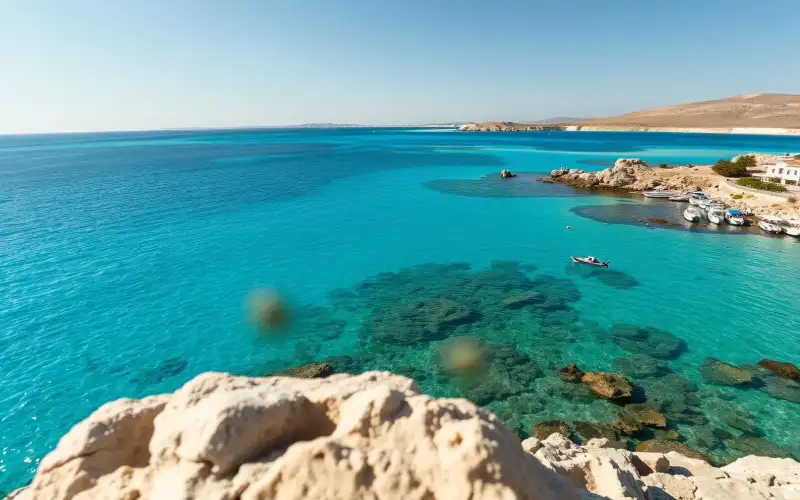
The sea is genuinely swimmable in October—warm enough that you'll want to go in most days. Pack two swimsuits so one dries while you wear the other. The beaches around Paphos—Lara Beach, Coral Bay, even the smaller coves near the old town—are busy but not rammed like summer. A rash guard or swim shirt is optional; the sun is intense enough that many people use one for protection during long beach days. Pack it if you know you'll spend 4+ hours in or near water.
4. One Cardigan or Lightweight Jumper
This is non-negotiable. October evenings are cool. You'll sit outside a taverna at 8 p.m. and genuinely need a layer. A wool or cotton-blend cardigan (not a heavy winter jumper, but something with actual weight) is ideal. It packs small, looks presentable, and works over both casual and slightly dressier outfits. A thin merino wool jumper is even better—it's warm, packs tiny, and doesn't smell if you wear it several times. Budget space for this; it'll get used every evening.
5. Light Scarf (Practical and Versatile)
A thin cotton or linen scarf serves multiple purposes. Drape it over your shoulders in a cool church or monastery, use it as a beach cover-up, tie it around your head if the sun feels intense, and wear it with a cardigan for extra warmth on breezy evenings. It's genuinely one of the most useful items in my Paphos packing list. Choose a neutral colour that works with most of your clothes.
6. Sun Protection (SPF 50+, Hat, Sunglasses)
October sun is still fierce in Cyprus. The UV index doesn't drop as much as you'd expect just because it's autumn. Pack high-SPF sunscreen (SPF 50+), and use it daily—not just at the beach. A wide-brimmed hat is essential; it's the difference between a pleasant day and a headache-ridden evening. Sunglasses should be proper UV-blocking; cheap pairs from supermarkets won't protect your eyes adequately. If you wear prescription glasses, bring a second pair or contact lenses; salt spray and dust make glasses annoying to clean constantly.
7. Modest Dress for Dining and Cultural Visits
One simple dress or a smart top paired with your lightweight trousers covers most dinners and restaurant visits. Paphos isn't formal, but it's not beachy-casual either. A linen dress with a cardigan thrown over it works for most restaurants and tavernas. For the Kykkos Monastery or Chrysorrogiatissa Monastery visits, covered shoulders and knees are required; trousers or a longer skirt with your cardigan handles this easily.
8. Lightweight Layers (Thin Shirts, Vests)
Pack mostly short-sleeved or sleeveless tops—vests, thin t-shirts, lightweight linen shirts. October days are warm enough that long sleeves feel excessive. But bring one or two longer-sleeved lightweight tops (merino wool or cotton) for layering. A thin long-sleeved shirt over a vest works perfectly for sun protection without overheating, and it layers well under your cardigan for cooler evenings.
9. Comfortable Sandals for Non-Walking Moments
You need at least one pair of sandals for casual strolls, cafés, and relaxing evenings. Not flip-flops—those slide off and offer no support. A pair of leather sandals or adjustable sport sandals (like Teva or Salomon) is ideal. They're comfortable for hours, look acceptable in most settings, and pack flat. One pair is enough if you're careful to rinse and dry them regularly.
10. Basics (Underwear, Socks, Pyjamas)
Pack enough underwear for 7–8 days; most visitors to Paphos do laundry mid-trip at their accommodation or a laundromat. Lightweight pyjamas are better than heavy ones—nights are warm, but mornings can feel cool. A single pair of lightweight socks for air-conditioned restaurants or if your feet get cold at night is usually enough; most of October, you won't need them.
Honorable Mentions: Items Worth Considering
A lightweight waterproof jacket takes up minimal space and handles the rare October shower. Paphos averages only 10 mm of rain in October, but when it comes, it can be heavy and brief. A packable windbreaker solves this without adding bulk.
Reef shoes or water shoes are useful if you plan to wade in rocky areas or explore the sea caves near Lara Beach. The seabed around Paphos has patches of rock and sea urchins; water shoes provide protection.
A small day pack or backpack (15–20 litres) is invaluable for archaeological site visits. You'll want to carry water, sunscreen, a hat, a camera, and your phone without holding everything in your hands.
Compression bags reduce the volume of clothes, especially useful if you're staying in a smaller accommodation or flying with hand luggage only. They're particularly helpful for packing your cardigan and jumper without wasting suitcase space.
A lightweight sarong or pareo doubles as a beach cover-up, a scarf, and a layer for cultural visits. It's more versatile than a single-purpose item.
What to Leave at Home
Heavy winter coats are pointless; October highs reach 28–30°C most days. A single cardigan or jumper is sufficient for all evening needs.
Formal evening wear isn't necessary. Paphos is relaxed. Even the nicest restaurants don't require jackets or formal dresses. Smart-casual is the absolute limit.
More than two pairs of shoes is excessive. Walking shoes, sandals, and maybe one pair of trainers if you're planning gym use—that's enough. Most visitors wear the same shoes repeatedly.
Excessive amounts of sun cream and toiletries are heavy and unnecessary. Supermarkets in Paphos (Carrefour, Alphamega, local pharmacies) stock everything you'll need. Buy sunscreen there if you run out rather than pack multiple bottles.
Beach towels take up enormous space. Your accommodation provides them; if you're self-catering, one towel per person is standard. Don't pack more than one extra.
Electrical adapters for 220V appliances—most modern devices (phone chargers, laptop adapters) are dual-voltage. Check yours before packing. Cyprus uses European two-pin plugs; a universal adapter or a simple European plug converter is tiny and sufficient.
How We Chose: The Logic Behind the List
This list comes from packing for Paphos in October repeatedly and watching what gets used versus what sits in a case. The emphasis on proper footwear stems from real experience—my son's blistered heels from unsuitable shoes and the hours spent exploring archaeological sites. The insistence on a cardigan comes from evening after evening watching people shiver at restaurants because they'd packed only t-shirts.
The secondary items (scarf, lightweight jacket, day pack) aren't essential, but they solve real problems that come up during October visits. A scarf genuinely is useful for multiple purposes; a lightweight jacket handles the statistical possibility of rain without taking up much space.
Items I've omitted—heavy sweaters, formal wear, multiple pairs of shoes—are based on what actually happens in Paphos during October. The climate doesn't demand them; the culture doesn't require them; the reality of travel is that you'll wear the same comfortable items repeatedly rather than rotate through a large wardrobe.
Final Thoughts: Packing for Comfort, Not Perfection
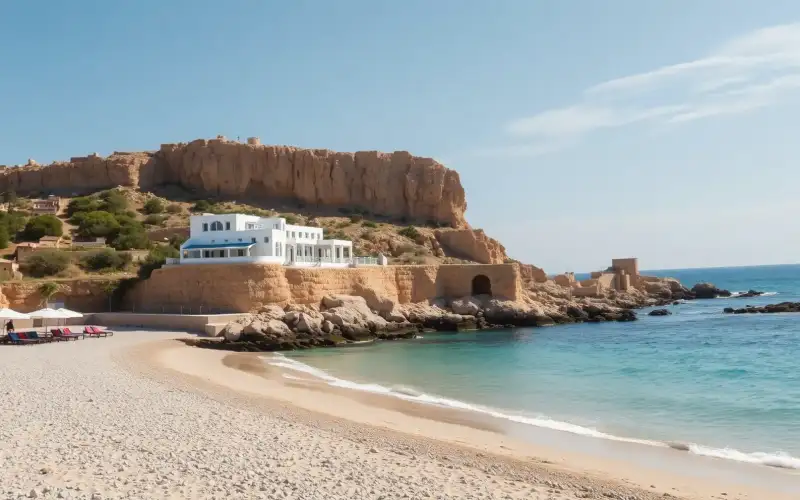
October in Paphos is genuinely lovely precisely because it's in-between. The beaches are quieter than summer, the sea is warm, and the evenings are cool enough to make sitting outside pleasant rather than sweaty. But that in-between quality means your packing needs to be balanced—warm-weather clothes with a layer for cooler evenings, sturdy shoes for uneven ground, modest options for cultural visits, and enough flexibility to adapt within a single day.
The best packing strategy isn't about having something for every possible scenario. It's about understanding what you'll actually do in Paphos in October and packing the minimum needed to do those things comfortably. Walk the Tombs of the Kings in proper shoes. Swim in the warm sea. Sit outside a taverna in Kato Paphos with a cardigan over your shoulders at 8 p.m. Visit a monastery without feeling underdressed or disrespectful. That's October in Paphos, and the packing list above handles all of it without excess.
When you're standing on a beach in Paphos on an October afternoon, warm sun on your shoulders and the sea genuinely inviting, you won't be thinking about what you packed. You'll be thinking about how right the decision to visit in October was. Pack smart, and you'll be thinking that by day two.


Comments (4 comments)