
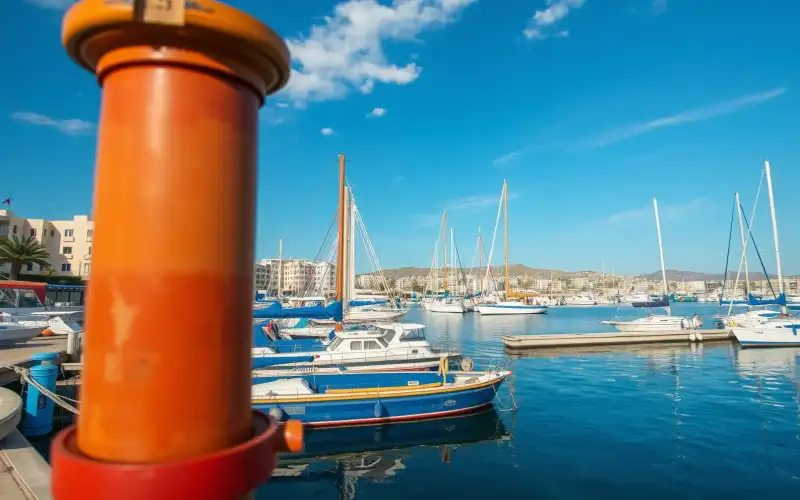
I arrived in Paphos on a March morning in 2014, and within an hour I was standing in the shadow of the Venetian castle, watching a tour group shuffle across the drawbridge while the Mediterranean lapped against the stone walls below. Twelve years later, I still find myself drawn back to that harbour—not as a tourist, but as someone who's learned where the real stories hide. The castle isn't just a monument; it's a palimpsest of conquest, commerce, and survival. The boat trips aren't just excursions; they're chances to see your adopted home from the sea, the way Crusaders and merchants once did. And the seafood restaurants? Well, that's where you'll meet the fishermen, the pensioners, the people who actually live here.
Paphos Harbour—or Kato Paphos, as locals call the waterfront district—is the beating heart of the old town. It's compact, walkable, and crammed with layers of history that most guidebooks skim over. If you're planning a 2026 visit, or if you've been coming here for years and want to go deeper, this guide will steer you past the obvious and into the places that matter.
Understanding the Harbour's Medieval Heart: Paphos Castle
The castle that dominates the harbour entrance was built by the Venetians in the 16th century, specifically between 1592 and 1593, though it sits on foundations laid centuries earlier. When I first read its history—the Ottoman sieges, the British restoration, the gradual transformation from fortress to museum—I understood why it feels so layered. You're not just looking at a building; you're looking at the physical record of who wanted to control this stretch of coastline, and why.
The structure itself is surprisingly compact. It's roughly square, with bastions at each corner and a moat (now dry, mostly) that once connected to the harbour. The walls are about 2.5 metres thick in places, built from local limestone with an almost golden hue in certain light. When you walk through the main gate, you enter a courtyard where cannons still point seaward, exactly as they did in 1878 when the British took over the island.
What strikes most visitors first is the view from the upper ramparts. You can see the entire harbour, the fishing boats clustered near the waterfront, the sweep of Paphos Bay to the south, and on clear days, the Akamas Peninsula to the west. It's the view that mattered: control this vantage point, and you controlled the trade routes, the pirate raids, the movement of goods and people. The Venetians understood that perfectly.
Visiting Paphos Castle: Practical Details
The castle is open year-round, though hours shift with the seasons. In 2026, expect these times: May through September, 8:30 am to 7:30 pm; October through April, 8:30 am to 5:00 pm. Admission is €2.50 for adults, €1.50 for seniors (which applies to most of our readers), and free for children under 6. It's run by the Cyprus Department of Antiquities, not a private operator, which means the facilities are basic but the standards are high.
Wear sensible shoes—the courtyard is uneven stone, and the stairs to the ramparts are steep and narrow. The castle has no internal railings, so if you're unsteady on your feet, take your time. There's no café inside, though there are several just outside the main gate. Many visitors spend 45 minutes to an hour here; I'd suggest allowing 90 minutes if you want to sit on the ramparts and actually absorb the place.
The castle can get crowded during peak season (July and August), particularly between 11 am and 2 pm when tour groups converge. If you're visiting in summer, go early or late. In shoulder seasons—April, May, September, October—you'll have it nearly to yourself. Winter (November to March) is quieter still, though the light is softer and the crowds from the beach are gone.
What the Walls Tell You
If you look carefully at the inner walls, you'll see different construction techniques and materials layered over centuries. Some stones are clearly Roman, recycled from earlier buildings. Others bear Ottoman mason's marks. The British added iron reinforcements in the 1880s. It's a physical timeline of the island's history, readable if you know where to look. I often point this out to visiting friends—the castle isn't just a thing to photograph; it's a text written in stone.
Boat Trips from Paphos Harbour: What's Actually Worth Your Time
The harbour is thick with boat operators, most of them honest, a few of them overselling their excursions. I've taken dozens of these trips—partly for pleasure, partly because I wanted to know which ones deliver what they promise. Here's what I've learned.
The Sea Caves Trip (2.5 to 3 hours)
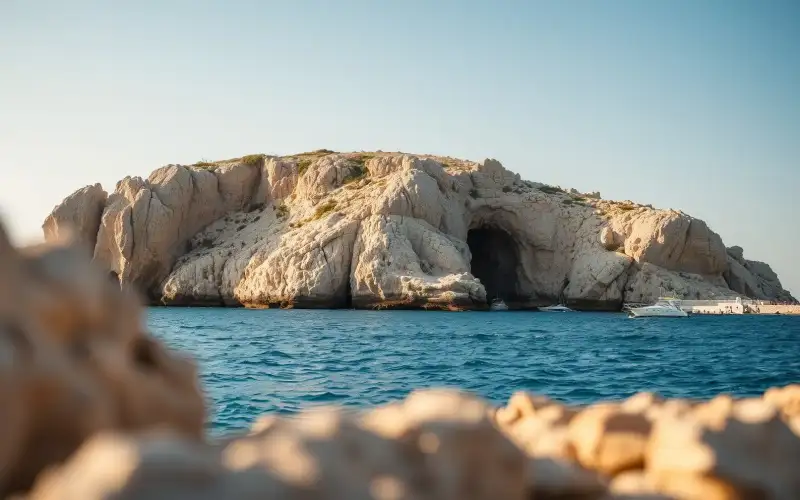
This is the most popular option, and for good reason. You'll sail west from the harbour, past the Akamas Peninsula, and stop at three or four sea caves carved into the cliffs. The water is usually calm enough for swimming, and the caves themselves are dramatic—the light filtering through the openings, the way the water echoes inside. Most operators include a swimming stop and a snack (usually fruit and biscuits). Cost is typically €25–30 per adult, €12–15 for children.
The catch: these trips run only from April through October, and they depend entirely on sea conditions. If there's any wind from the west, they may be cancelled. Book early in the day and check the weather forecast the night before. The boats are usually small, 20–30 passengers, which keeps things intimate. If you're prone to seasickness, take a tablet before you board; the journey out can be a bit choppy, though the return is usually calmer.
The Sunset Dinner Cruise (4 to 5 hours)
Several operators offer evening cruises that leave around 5 pm, sail along the coast, and return around 9:30 pm. You get a three-course dinner (usually fish, chicken, or vegetarian options), wine, and the experience of watching the sun drop into the Mediterranean. It's romantic, undeniably, and many couples mark their anniversaries this way. Cost runs €40–60 per person, depending on the operator and the menu.
I'm honest about this one: it's touristy, and the food is competent rather than inspired. But the experience—being on the water as the light changes, the coastline turning gold and then purple—that's real. Book with one of the established operators (ask your hotel or check reviews on TripAdvisor for 2026 ratings). Bring a light jacket; it gets cool on the water once the sun sets.
The Fishing Trip (4 to 6 hours)
A handful of operators offer trips where you actually fish alongside local fishermen. You'll leave early (6 or 7 am), motor out to fishing grounds, and spend the morning with lines in the water. If you catch something, the crew will prepare it for lunch, and you'll eat what you've caught. It's unglamorous and occasionally uncomfortable, but it's also genuine—you're doing what people have done from this harbour for centuries.
These trips are best booked in person at the harbour; ask at the kiosks near the castle entrance. Cost is around €35–50 per person. You'll need to bring sun protection, as there's minimal shade on the boat. Not suitable for very young children or anyone with mobility issues.
The Eco-Friendly Alternative
If you want to see the coast but prefer a slower pace, a few operators now offer sailing trips (as opposed to motorboat trips) along the harbour and westward. These are quieter, produce no fuel emissions, and appeal to visitors who want a more contemplative experience. They're also slightly more expensive (€35–45) and somewhat slower, but the silence on the water is worth it. These typically run April through October.
Seafood Restaurants: Where Locals Actually Eat
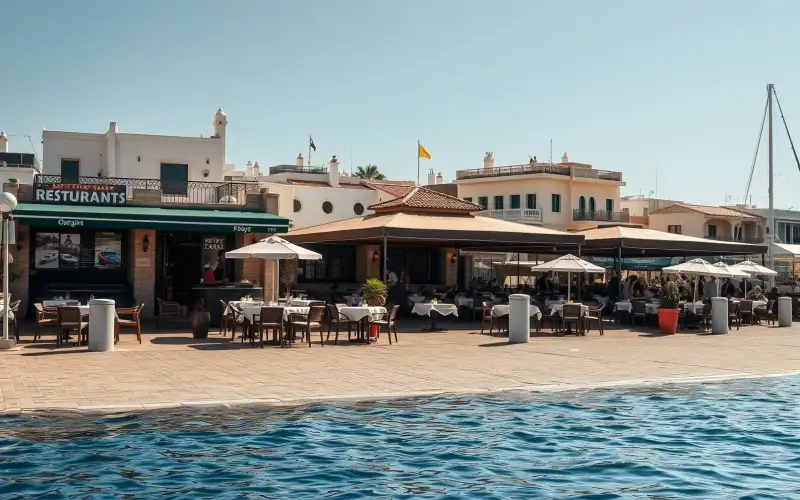
This is where my twelve years in Paphos becomes useful. The waterfront is lined with restaurants, many of them perfectly adequate and several of them genuinely excellent. The key is knowing the difference between places that cater primarily to tourists and places where you'll find locals eating dinner on a Friday night.
The Working Harbour Restaurants
On the eastern side of the harbour, where the fishing boats actually tie up, there are three or four small restaurants that have been family-run for decades. They don't have fancy websites or Instagram presence. They open when the boats come in, and they close when the fish runs out. The menus are handwritten, sometimes in Greek only, and the prices are honest—€12–18 for a main course of grilled fish.
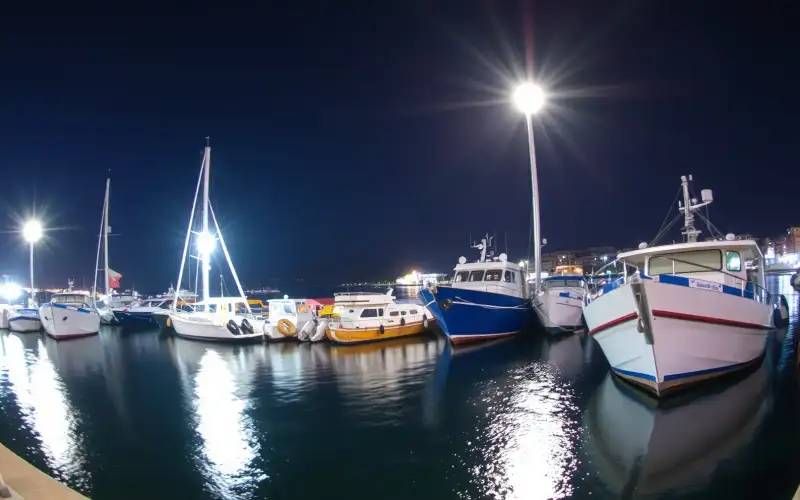
The standard approach: arrive around 1 pm or 7:30 pm, ask what came in that morning (or that day), and order that. If they say the sea bream is good, order the sea bream. If they recommend the squid, take their word for it. You'll sit at a plastic table with a view of the boats, watch the fishermen mending nets, and eat better fish than you'll find at the tourist-facing restaurants across the harbour.
Names are less important than location here. Walk along the eastern quay, look for the places with fishing nets piled outside and Greek pensioners at the tables, and you've found the right spot. Parking nearby is tight; use the public lot on Ledra Street (€1.50 per hour in 2026) and walk five minutes.
The Established Waterfront Spots
If you want something with a bit more formality—a proper tablecloth, English menus, staff who speak fluent English—there are several reliable options. Pelican, on the western side of the harbour, has been there since the 1980s. They specialize in fish, and they do it well. Expect to pay €18–28 for a main course. Demitris Taverna, also on the western side, is slightly more casual and slightly cheaper (€14–22 for mains). Both have proper wine lists and can handle dietary requirements if you call ahead.
These places are busier than the working-harbour restaurants, and they cater more explicitly to tourists, but they're not tourist traps. The food is honest, the portions are generous, and the service is attentive without being intrusive. They're good choices if you're dining with people who are less adventurous or who prefer a more structured restaurant experience.
The Mezze Strategy
If you can't decide between restaurants, or if you want variety, order mezze instead of a main course. Most restaurants will bring you 8–12 small plates: fried saganaki cheese, grilled octopus, stuffed squid, fish cakes, Greek salads, dips, grilled vegetables. You'll spend €20–30 per person and taste far more than you would with a single main course. It's also a good way to sample a restaurant's kitchen without committing to a full meal. Mezze is particularly good at the smaller, less formal places; it's how locals eat.
Seasonal Availability
Fish availability changes with the seasons. In winter (November to March), you'll find more robust fish—grouper, sea bass, mullet. In summer, you'll see more delicate fish and squid. The restaurants know this; the menus shift accordingly. If you're visiting in June and you want sea urchin, you'll be disappointed. If you're there in January and you want sea urchin, you're in luck.
Practical Matters: Parking, Hours & Seasonal Planning
Paphos Harbour is walkable, but you'll need to park somewhere. There are three main options:
- The municipal car park on Ledra Street: This is the closest public option, about 100 metres from the castle entrance. €1.50 per hour in 2026, €6 per day maximum. It fills up quickly in summer, but there's usually space if you arrive before 11 am. Open 24/7.
- Street parking on the surrounding roads: Free, but limited and unpredictable. In summer, forget it. In shoulder seasons and winter, you might find a spot on Constantinou Paleologou or Evagoras Paleologus Street, a 5–10 minute walk from the harbour.
- The old Paphos market building car park: About 200 metres inland, €1 per hour. Less convenient but often quieter than the Ledra Street lot.
My advice: use the Ledra Street car park. The €1.50 per hour is worth the convenience and the certainty of a spot. If you're staying in Paphos for multiple days, ask your accommodation if they have any arrangements with local car parks; many hotels offer discounted rates.
The harbour itself is open year-round, but businesses vary. The castle closes at 5 pm in winter and 7:30 pm in summer. Most restaurants are open daily, though a few close one day a week (usually Monday or Tuesday in winter). Boat trip operators scale back significantly in winter; if you're visiting November through March, confirm availability when you book.
The best times to visit are April, May, September, and October. The weather is warm, the water is swimmable, the crowds are manageable, and the light is beautiful. June through August are hot and crowded. November through March are quiet and cool, which some visitors prefer; bring a light jacket for evenings.
Beyond the Obvious: What Most Guides Miss
There's a small archaeological museum inside the castle itself, though it's easy to miss. It contains pottery, coins, and fragments from various periods. It's not extensive, but it provides context for what you're looking at. Spend 20 minutes here before you climb to the ramparts; it changes how you read the walls.
The lighthouse at the harbour entrance is not open to the public, but you can walk around its base. On a clear day, the view from the rocks near the lighthouse is as good as the view from the castle ramparts, and you'll have it to yourself.
If you're interested in the harbour's maritime history, the Paphos District Museum (about 1 km inland, on Exo Vrisis Street) has exhibits on local fishing traditions and maritime archaeology. It's small and often quiet, but it's worth an hour if you're genuinely interested in how people lived and worked here. Admission is €2, same as the castle.
Finally, if you're visiting in winter or on a day when the sea is rough and boat trips are cancelled, walk the entire perimeter of the harbour. It takes about 30 minutes, and you'll see the working fishing boats up close, watch the light change on the water, and understand the harbour as a place of work rather than just a tourist destination. This is when you'll see the real Paphos.
Seasonal Recommendations for 2026
For couples looking for romance: visit in May or September. The weather is warm, the water is swimmable, the crowds are thin, and the light is golden. Book a sunset dinner cruise and a table at one of the waterfront restaurants. Spend the morning exploring the castle and the afternoon on a sea caves boat trip.
For families with older children: visit in April or October. The water is cool but manageable for swimming, the castle is less crowded, and there's still plenty of activity. Book a fishing trip or a sea caves trip; children usually enjoy both. Plan a mezze lunch at one of the casual restaurants.
For visitors interested in history: visit in winter (November to February). The crowds are gone, the light is soft, and you can move through the castle and the harbour without distraction. Spend time in the small archaeological museum. Walk the harbour perimeter. Eat at the working-harbour restaurants where you'll see locals, not tourists.
For budget-conscious visitors: visit in November or March. Prices drop slightly, the weather is still pleasant, and you'll avoid both the summer heat and the winter chill. Boat trips still run, though less frequently. The castle and restaurants operate normally.
Final Thoughts: The Harbour as It Actually Is
Paphos Harbour is not a theme park or a museum piece, though it contains elements of both. It's a working waterfront where fishing boats still tie up, where families have run restaurants for generations, where the castle walls have absorbed centuries of history. It's also, undeniably, a tourist destination, and there's nothing wrong with that.
The trick is approaching it with intention. Go to the castle not just to tick a box but to actually read the walls and imagine the people who built them. Take a boat trip not just for the Instagram photo but to experience the coast the way it's been experienced for centuries. Eat at a restaurant not because it has the best reviews but because you're genuinely curious about what the kitchen is offering today.
That's when Paphos Harbour stops being a tourist attraction and becomes what it really is: a place where people live, work, and eat. And that's the version worth visiting.
Comments (4 comments)