
My youngest spotted the loggerhead turtle hatchlings before I did. Tiny things, no bigger than a thumbnail, making a frantic dash toward the Mediterranean on Lara Beach one July morning. That single moment—watching her face light up—convinced me that the beaches beyond Coral Bay aren't just alternatives; they're why you actually came to Paphos.
Yes, Coral Bay is convenient. Yes, it has sunbeds and tavernas. But it's also rammed with tour groups by 10 a.m., and you'll spend half your beach day finding a spot. The three beaches I'm covering here—Lara, Faros, and Geroskipou—offer something Coral Bay can't: breathing room, character, and genuine reasons to make the drive.
Overview: Why These Three Beaches Matter
Paphos has over 40 kilometers of coastline, yet most British visitors stick to the same three spots. That's partly laziness, partly misinformation. The beaches I'm reviewing here are all within 30 minutes of Paphos town center, accessible by car, and genuinely worth your time.
Lara Beach sits 30km north of Paphos, near the Akamas Peninsula. It's a protected nesting site for loggerhead and green sea turtles—the only place in Cyprus where you might legitimately see hatchlings. Faros Beach, 15km west, offers dramatic limestone cliffs and a working beach taverna. Geroskipou, just 5km south of Paphos town, is the closest of the three and surprisingly quiet for its location.
All three have different personalities. None are perfect. All three beat Coral Bay on most days.
Lara Beach: The Turtle Nesting Site
What Makes It Special
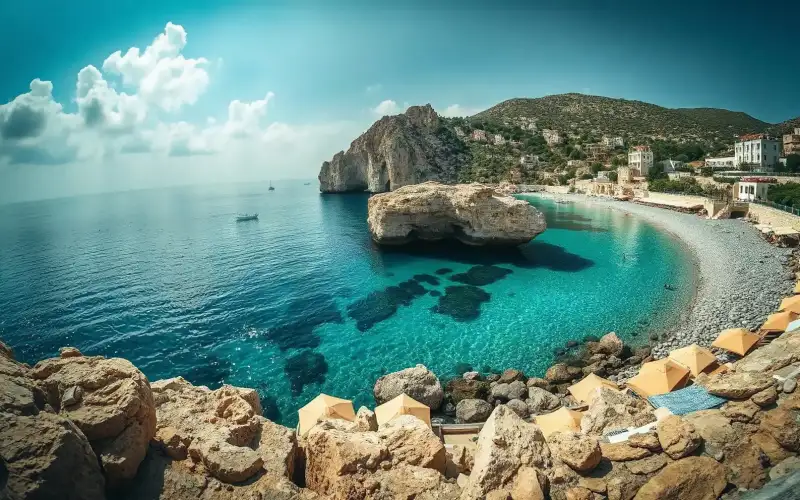
Lara Beach is Cyprus's most important loggerhead and green sea turtle nesting ground. Between May and August, hundreds of turtles come ashore at night to lay eggs. During the day, you won't see nesting activity, but you might see hatchlings making for the sea (usually early morning, June through September). Even without turtles, the beach itself is stunning—a 5km stretch of golden sand backed by scrubland and accessible only by a rough dirt road.
The road itself is part of the experience. Your hire car will bounce over ruts for about 10 minutes after leaving the main road. Don't worry—every standard vehicle manages it. You'll pass olive groves and wild fennel, and the isolation feels deliberate. When you reach the beach, you understand why the turtles chose it.
Amenities and Practicalities
Lara Beach has minimal infrastructure, which is exactly the point. There are no sunbeds, no tavernas, no changing facilities. There's a small information shack (staffed May–September) run by volunteers from the Green Fund, a local conservation charity. They're friendly and knowledgeable, and they'll tell you whether hatchlings have been spotted recently.
Parking is free and plentiful—there's a designated area near the beach entrance. Bring water, snacks, and sun protection. The nearest facilities (toilet, café) are in Latchi village, about 8km back toward Paphos. Most families pack a picnic. I usually grab supplies from the Lidl in Paphos on the way.
The beach itself is large enough that even on busy summer days, you'll find quiet spots. The sand is soft, the water is clear, and the seabed shelves gently—good for children. There's a small rocky section at the northern end; stick to the sandy stretch if you're swimming.
Turtle Spotting Reality Check
Let's be honest: seeing hatchlings is not guaranteed. The Green Fund monitors nests and records hatchling activity, but timing is unpredictable. You might visit on the one morning when 200 hatchlings emerge, or you might see none. The best chances are early morning (6–8 a.m.) in June and July. Check with the information shack when you arrive—they have current data.
Even without turtles, Lara is worth the trip. My kids have visited five times; we've seen hatchlings twice. The other three visits were equally good—just for the beach itself, the sense of being somewhere wild and protected, and the knowledge that we were visiting a place that actually matters for conservation.
One practical note: the beach is part of a Natura 2000 protected area. Dogs are not allowed (except in a small designated zone), and the beach is closed to vehicles. Respect the rules—they're there for a reason.
Faros Beach: Dramatic Cliffs and Working Tradition
The Setting and Access
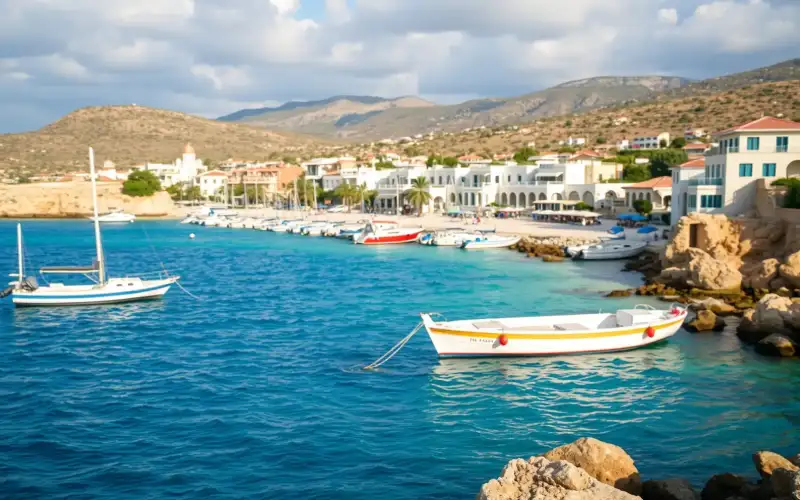
Faros Beach, 15km west of Paphos near Polis Chrysochous, is a completely different proposition from Lara. It's a working fishing village beach—small, sheltered, backed by limestone cliffs that rise 60 meters straight up. There's a single taverna (Faros Fish Taverna), a handful of fishing boats, and a sense that this is a place that exists for locals first and tourists second.
The drive takes about 25 minutes from Paphos town. Head toward Polis, then follow signs for Faros. The road is good, and parking is easy—there's a small lot right by the beach. In summer 2026, the parking is still free, though that may change.
Amenities and Character
Faros Fish Taverna is the only facility on the beach, and it's excellent. Run by a family that's been fishing here for three generations, it serves grilled fish, meze, and cold beer. Prices are fair (€8–12 for mains), and the owner, Yiannis, will chat to you about the day's catch. There are a few plastic chairs and umbrellas outside the taverna; otherwise, you bring your own beach setup.
The beach itself is small—maybe 200 meters long—and pebbly rather than sandy. That's actually an advantage in summer; pebble beaches don't get as hot, and they're less attractive to crowds. The water is clear and calm, sheltered by the cliffs. The seabed is rocky; water shoes are a good idea.
There are no sunbeds, no beach bars, no tourist infrastructure. What you get is authenticity and quiet. In July, you might share the beach with a dozen other people. In August, maybe 30. Compare that to Coral Bay's hundreds.
Who It Suits
Faros works brilliantly for couples and older kids. It's less ideal for very young children—the pebbles are uncomfortable for toddlers, and there's nowhere to change or use a toilet (the taverna owner will let you use his facilities if you ask nicely, but it's not a formal arrangement). If you're looking for a quiet morning swim and a long lunch, Faros is perfect. If you're managing multiple small children, Geroskipou might be better.
The cliffs are stunning for photography. The light is best in late afternoon, when the limestone glows golden. Several visitors have told me they've used Faros photos as their phone wallpaper for years.
Geroskipou Beach: Family-Friendly and Close
Location and Access
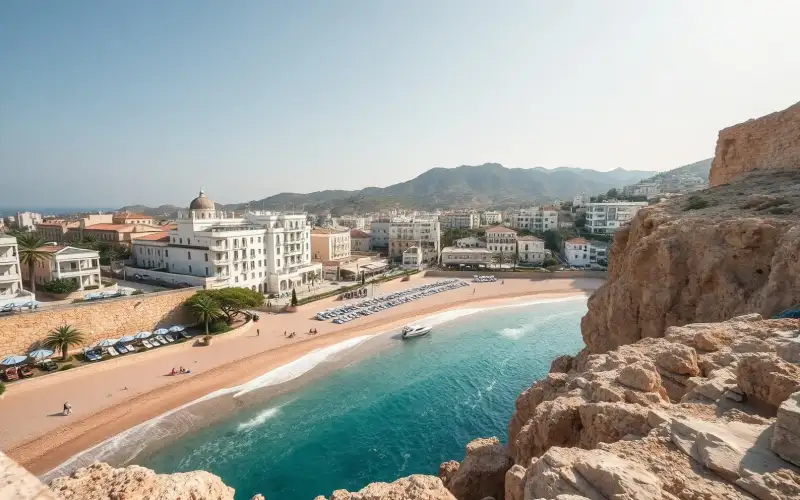
Geroskipou Beach is just 5km south of Paphos town center, making it the easiest of the three to reach. It's a sheltered cove with soft sand, shallow water, and a handful of beach tavernas. The village of Geroskipou sits on the hillside behind, famous for its traditional pottery workshops (worth a visit if you have time).
Parking is straightforward—there's a free lot right behind the beach. The drive takes 10 minutes from Paphos harbor. In peak summer, the lot fills up by 10 a.m., but there's overflow parking on the road.
Amenities and Facilities
Geroskipou has better infrastructure than Lara or Faros. There are two established beach tavernas: Geroskipou Beach Bar and Taverna Thalassa. Both rent sunbeds (€5 per day in 2026) and offer standard beach food—salads, grilled fish, burgers, cold drinks. The water is clean, the sand is fine, and the beach shelves gently into the sea.
There's a small shower facility and basic toilets (€0.50 to use). The beach is about 300 meters long and wide enough that you won't feel cramped even on busy days. The cove is protected from wind, so the water is usually calm—excellent for young swimmers.
Honest Assessment
Geroskipou is good but not exceptional. It's busier than Lara or Faros, especially in August. The taverna food is fine but not memorable. The beach itself is pleasant but unremarkable—soft sand, calm water, nothing distinctive. What it offers is convenience and family-friendly infrastructure. If you're staying in Paphos town and want a quick beach fix with your kids, Geroskipou works. If you have a car and an hour to spare, Lara or Faros are more rewarding.
One advantage: Geroskipou is close enough for an evening visit. We sometimes drive down at 5 p.m., swim for 30 minutes, have dinner at one of the tavernas, and drive back. That's not possible with the other two beaches.
Pros and Cons: The Honest Breakdown
Lara Beach Strengths
- Genuine conservation value—you're visiting a protected nesting site
- Possible turtle hatchling sightings (June–September)
- Large, uncrowded beach with soft sand
- Beautiful, wild setting with minimal development
- Free parking and no entry fees
Lara Beach Weaknesses
- Rough access road (passable but bumpy)
- Zero amenities—no toilets, no food, no shade structures
- Turtle sightings not guaranteed
- 30km drive from Paphos (45 minutes each way)
- Not ideal for very young children or elderly visitors with mobility issues
Faros Beach Strengths
- Authentic fishing village atmosphere
- Excellent taverna with fresh fish
- Dramatic cliff scenery
- Calm, sheltered water
- Genuinely quiet—rarely crowded
Faros Beach Weaknesses
- Pebbly, not sandy (uncomfortable for young children)
- No toilet facilities (taverna owner may help, but no guarantee)
- Limited shade—cliffs provide some, but not much
- No sunbeds or beach infrastructure
- 15km from Paphos (25 minutes each way)
Geroskipou Strengths
- Only 5km from Paphos—quickest access
- Soft sand and shallow water (family-friendly)
- Proper facilities—toilets, showers, sunbeds
- Two tavernas with decent food
- Protected cove (calm water, safe for swimmers)
Geroskipou Weaknesses
- Busier than Lara or Faros, especially in August
- Less distinctive—pleasant but unremarkable
- Taverna food is standard tourist fare, not exceptional
- Parking fills up in peak season
Who These Beaches Are For
Lara: Nature Lovers and Serious Beach Seekers
If you care about conservation, want to see something genuinely wild, and don't mind basic facilities, Lara is your beach. It suits couples, older kids (8+), and families who see beach visits as adventures rather than resort experiences. You need your own transport and should be comfortable with a 45-minute round trip.
Faros: Couples and Food-Focused Visitors
Faros is ideal for couples, foodies, and anyone who wants a quiet lunch with a view. It works for older kids and fit adults. Skip it if you're managing toddlers or if you need proper changing facilities. The taverna alone makes it worth a visit.
Geroskipou: Families with Young Children
Geroskipou is the best choice for families with kids under 8, elderly visitors, or anyone wanting quick beach access without fuss. The facilities are adequate, the water is safe, and the proximity to Paphos means you're never far from help. It's also the best option if you're without a car and relying on taxis.
Verdict: Which Beach Should You Visit?
The answer depends entirely on what you want from a beach day. If you're seeking something genuinely special and have transport, Lara is the clear winner. The turtle connection, the wild setting, and the sense of visiting somewhere that matters—these make it memorable. Yes, you might not see hatchlings, but even without them, it's a beautiful, uncrowded beach that most Paphos visitors never discover.
If you want food and atmosphere, Faros delivers. The taverna is genuinely good, the cliffs are stunning, and the quiet is real. Bring water shoes and manage your expectations about facilities, and you'll have a wonderful afternoon.
Geroskipou is the practical choice—close, convenient, family-friendly, and reliable. It won't blow your mind, but it won't disappoint either. It's the beach you visit when you want a guaranteed good experience without complications.
My own preference? Lara for the experience, Faros for the food, Geroskipou for the practicality. In a two-week Paphos stay, I'd visit all three. Each offers something different, and none require you to fight crowds or compromise on quality.
One final thought: Coral Bay isn't bad. It's just busy and generic. These three beaches—Lara, Faros, and Geroskipou—are why you actually came to Paphos. They're worth the small effort to discover.


Comments (3 comments)