
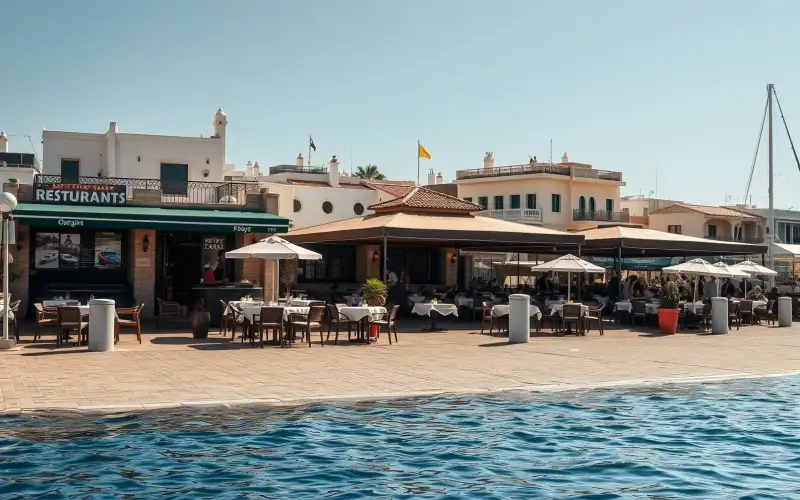
The Paphos Harbour Dining Puzzle: Why Location Doesn't Guarantee Quality
Last October, I watched a couple from Surrey sit down at a harbourside table, order the "fresh catch of the day," and receive frozen prawns from a bag I recognised from the Lidl aisle. They paid €28 per head. Three tables away, an elderly Cypriot gentleman was eating grilled octopus that cost him €12, and it was visibly superior. The difference wasn't luck—it was knowing where to sit.
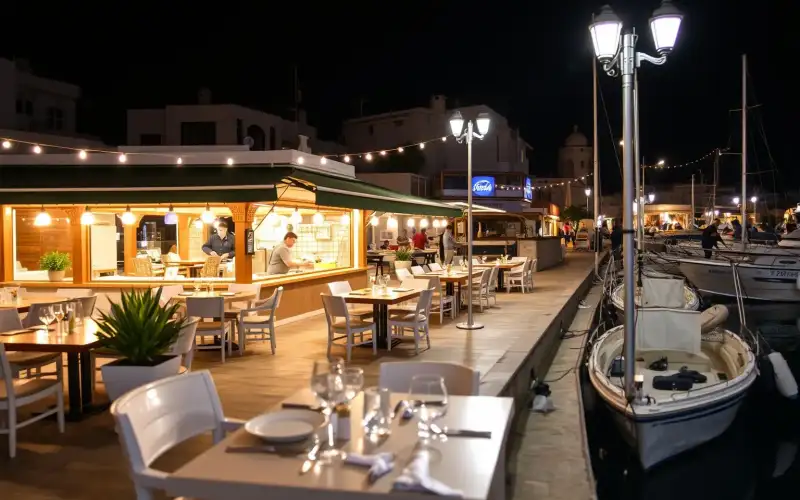
Paphos Harbour has transformed since I first arrived in 2012. Back then, you had perhaps eight restaurants clinging to the waterfront. Now there are closer to thirty establishments competing for your euros, and the quality scatter is wild. Some serve genuinely excellent seafood prepared by people who've been doing this for thirty years. Others are tourist traps dressed up with fairy lights and laminated menus in five languages.
The problem most visitors face is simple: the harbour looks uniform from above. Every restaurant has water views. Every menu features calamari, sea bass, and prawns. Every proprietor claims to source fish fresh that morning. Yet your bill can range from €15 to €65 for nearly identical-looking plates. So what separates the real thing from the performance?
Why the Harbour's Restaurant Scene Matters to Your Cyprus Holiday
Paphos Harbour isn't just a place to eat—it's where your holiday either becomes a memory or a cautionary tale. For British couples and retirees visiting annually, dining out is often the centrepiece of the trip. You've saved for this. You want to sit by the water, taste something you can't get in Tesco, and feel like you've discovered something genuine.
The stakes are higher than they seem. A bad meal doesn't just cost money; it eats into your confidence about the destination. After a mediocre €50 dinner, you start doubting whether anything here is authentic. You retreat to your hotel restaurant. You eat at chain places. You miss the real Paphos entirely.
Second, the harbour restaurants are where you'll encounter actual Cypriot food culture—not the tourist version, but the real thing. Cyprus seafood dining has rules, rhythms, and a philosophy that's completely different from British dining. Fish is served whole so you can see what you're eating. Meze arrives in waves, not all at once. Wine comes in bulk, not bottles. Eating here teaches you something about how people live on this island.
Finally, price transparency matters. You're comparing three distinct tiers of dining, and the difference between them isn't always quality—sometimes it's marketing, location within the harbour, or how aggressively the owner pursues tourist trade. Understanding which restaurants operate at which price point helps you make decisions that match your budget and expectations.
The Budget Tier: €12–€20 Per Head (Mains Only)
Where Locals Actually Eat
The cheapest restaurants in Paphos Harbour aren't hidden—they're just less photogenic. Look for places where you see Cypriot families on Friday nights, where the owner speaks limited English, and where the menu board is handwritten or printed on A4 paper. These establishments exist because locals live here year-round and won't tolerate overpricing.
Taverna Psariko sits about 150 metres east of the main harbour square, technically still waterfront but far enough that you're not paying harbour-premium prices. A grilled sea bream (€14) arrives whole, gutted and cleaned, with nothing but lemon and olive oil. The fish is usually caught that morning—the owner, Yiannis, buys directly from the fishing boats around 6 a.m. A plate of grilled octopus runs €11. Portions are generous. The wine is bulk Cypriot red (€1.50 per glass, or €6 per litre carafe). You'll sit on plastic chairs at a wooden table. The view is of the harbour, but not the Instagram version—you see the working boats, the nets, the actual commerce. This is where I eat when I want value and authenticity.
To Pelagos operates a similar philosophy but is slightly more polished. The owner, Dimitris, trained in Athens and returned to Paphos because he wanted to cook for people who appreciate food, not just consume it. Mains run €13–€18. The daily specials board (written in Greek, which tells you something) often features local catches you won't find elsewhere—red mullet, sea urchin in season, grouper. Ask Dimitris what he recommends; he'll tell you honestly if something isn't good that day.
At this price tier, expect:
- Whole fish grilled simply, no heavy sauces
- Meze starters at €3–€6 per plate (saganaki, tzatziki, grilled vegetables)
- House wine at €1–€2 per glass
- No tablecloths, possibly plastic chairs
- Service that's efficient but not fussy
- Cypriot clientele, especially weekends
The Mid-Range Tier: €25–€45 Per Head (With Drinks)
Where You Get Quality Without Pretence
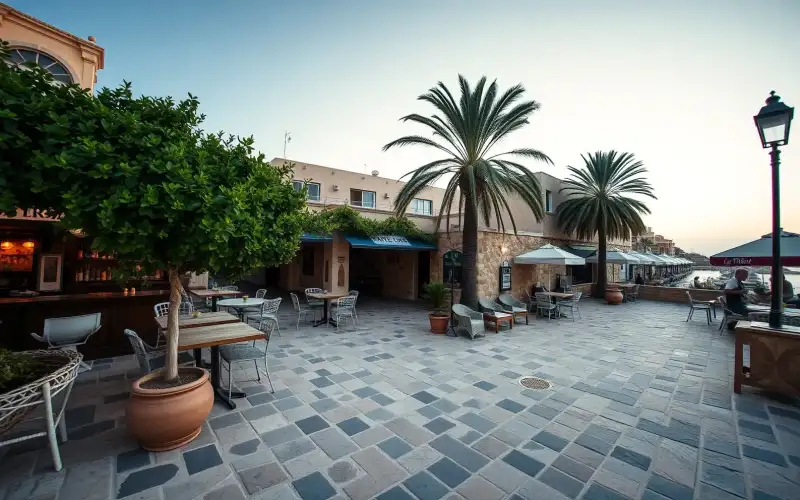
The middle tier is where most British visitors should aim. These restaurants have invested in ambience without sacrificing food quality. They're run by people who understand both Cypriot cooking and international expectations. You get proper tablecloths, attentive service, and fish that's been handled carefully.
Demitris Taverna sits on the western arm of the harbour, with tables that genuinely overlook the water and the sunset. The owner, also Dimitris (common name here), sources fish from two suppliers—one local, one from Limassol when local stock is limited. Grilled sea bass costs €32 (for a substantial fish, 400–500g). Lobster spaghetti is €28. The house wine is better than the budget places—a decent Cypriot white from Ktima Geroleme vineyard runs €20 per bottle. The service is warm without being intrusive. This is where I take visiting friends who want a proper meal without breaking the bank.
Pelican Restaurant is slightly more formal but still approachable. The chef, Yiannis Papageorgiou, has worked in fine dining in London and returned to Paphos five years ago. He respects traditional Cyprus cooking but adds technique. A simply grilled octopus (€24) is perfectly textured—crispy exterior, tender inside. The saganaki (fried cheese) is warm and slightly runny. Mains range €22–€38. The wine list includes some serious Cypriot producers alongside European options. Expect to spend €40–€50 per head with drinks.
Mid-range characteristics:
- Fish grilled or simply prepared, sometimes with light sauces
- Meze courses properly plated, €6–€12 each
- Wine lists with 15–30 options, mostly Cypriot and Greek
- Proper tablecloths, cloth napkins
- Attentive but not hovering service
- Mix of local and tourist clientele
- Booking recommended in summer
The Timing Question
One insider tip: mid-range restaurants are cheapest if you eat early. Dine at 6:30 p.m. instead of 8:30 p.m., and some restaurants offer a 10–15% discount. Cypriot families eat early; tourists eat late. The restaurants want to fill tables during the slow hours. This isn't advertised—you have to ask.
The Fine Dining Tier: €50–€85+ Per Head
When to Splurge, and Where
Paphos Harbour has three genuinely fine dining establishments. These aren't just expensive—they're ambitious about food. They source rare ingredients, employ trained chefs, and present dishes as art rather than sustenance.
Varadero occupies the prime real estate at the harbour entrance. The chef, Andreas Constantinou, trained in Switzerland and spent a decade in Dubai before returning to Cyprus. The menu changes seasonally. In summer 2026, it features local sea urchin, red mullet prepared three ways, and a lobster dish that costs €62 alone. The wine list is serious—over 100 selections, many rare Cypriot producers and European classics. A full meal here runs €70–€85 per head. The service is polished and knowledgeable. This is where you go for a special occasion, not a casual dinner.
Almyra Restaurant (technically attached to the Almyra Hotel but open to walk-ins) offers fine dining with a more relaxed atmosphere. The head chef, Sofia Ioannou, focuses on local ingredients prepared with Mediterranean technique. The €65 tasting menu (five courses) is the best value in fine dining—it showcases the kitchen's range. Booking essential; they take walk-ins only if tables are available.
Fine dining expectations:
- Dishes plated as presentations, not just food on a plate
- Multiple courses, often tasting menus €55–€75
- Wine pairings available, €30–€50 additional
- Trained, knowledgeable service staff
- Reservations essential, especially summer
- Dress code implied (smart casual minimum)
The Price Comparison Table: What You Actually Pay
| Restaurant Tier | Grilled Sea Bass (400g) | Grilled Octopus | House Wine (Glass) | Meze Starter | Total Per Head (Estimated) |
|---|---|---|---|---|---|
| Budget (Taverna Psariko) | €14 | €11 | €1.50 | €4 | €15–€18 |
| Mid-Range (Demitris) | €32 | €24 | €5 | €8 | €40–€50 |
| Fine Dining (Varadero) | €48 | €32 | €8–€12 | €14–€18 | €70–€85 |
Insider Tips: How to Eat Well Without Paying Tourist Prices
Ask About the Catch
Every restaurant receives fish daily. Ask your server what came in that morning and what's been in the cooler for three days. Honest restaurants will tell you. The fish that arrived fresh that day will taste noticeably better and is usually the best value—it hasn't been sitting on ice losing flavour.
Eat Before 7 p.m.
Prices don't officially drop, but restaurants are more flexible during slow hours. You'll get better attention from the kitchen, and the owner is more likely to offer recommendations or small extras.
Order Whole Fish, Not Fillets
A whole grilled fish costs 20–30% less than a fillet and tastes better. You see exactly what you're eating. Yes, you have to navigate bones—that's the point. It's how Cypriots eat fish.
Skip the Tourist-Facing Restaurants
If a restaurant has a sign in English facing the street, a laminated menu with photos, and staff aggressively greeting passersby, move on. These places are optimised for volume and turnover, not quality.
Go on Friday or Saturday Evening
This seems counterintuitive, but Friday and Saturday are when Cypriot families eat out. The restaurants are full of locals, which means the kitchen is cooking at full capacity and the food is fresh. Midweek, some restaurants coast.
What to Order: The Reliable Choices
If you're uncertain, order these dishes. They're hard to mess up and reveal a restaurant's competence:
- Grilled whole fish (sea bream, sea bass, grouper)—simplicity reveals quality
- Grilled octopus—texture and seasoning show the chef's skill
- Saganaki (fried cheese)—either perfect or disappointing; no middle ground
- Grilled calamari—overcooking ruins it; properly done, it's tender and sweet
- Mussels or clams in white wine—freshness is obvious
Navigating Paphos Harbour: A Practical Map
The harbour splits into three zones. The eastern arm (near the castle) hosts mostly budget and mid-range places. The western arm and harbour entrance feature mid-range and fine dining. The square itself is a tourist trap—avoid it unless you're eating breakfast. Walk 100–150 metres in any direction from the main square, and you'll find better value and less aggressive marketing.
The Seasonal Shift: Summer Versus Winter Dining
In summer (June–September), book ahead at mid-range and fine dining restaurants. Prices increase 10–15% and portions sometimes shrink. Winter (November–March) is when locals eat out more frequently, so restaurants focus on quality. You'll find better value and more authentic experiences. Spring (April–May) is the sweet spot—warm enough to enjoy waterfront dining, not yet crowded, prices still reasonable.
Final Thoughts: Eating Like You Belong
The best meals I've had in Paphos Harbour weren't at the most expensive restaurants. They were at places where the owner knew my name, where the fish came from boats I could see, and where the wine cost less than a coffee in London. These aren't hidden gems—they're just places that prioritise regulars over tourists.
If you eat at Taverna Psariko or To Pelagos, you're eating where Cypriot families eat. You're supporting restaurants that have survived because they're genuinely good, not because they have the best marketing. You're learning how people actually live here. That's worth more than any Instagram photo from a fine dining establishment, though those have their place too.
The Paphos Harbour in 2026 is still worth visiting. Just know where to go, what to expect at each price point, and why a €15 meal can be better than a €65 one. That knowledge transforms a meal from a transaction into an experience.
Comments (3 comments)