
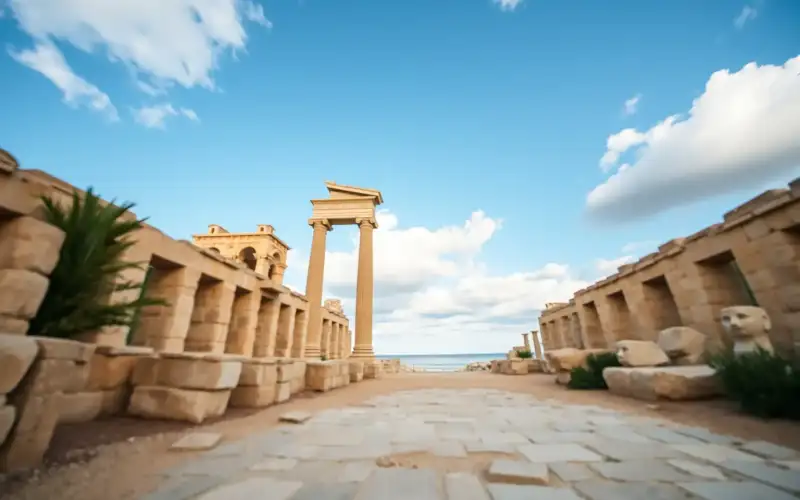
I arrived at the House of Dionysus at 7:15 on a Tuesday morning in April, camera in hand, and the light was already turning that peculiar bronze-gold that makes ancient stone sing. The site had maybe a dozen other visitors—mostly older couples with compact cameras and one young woman with a drone (which, I should mention, isn't permitted, and the guards were polite but firm about it). By 10 a.m., the place would be packed with tour groups, the shadows would have shifted completely, and half the mosaics would be in harsh, unflattering glare. Timing, as it turns out, is everything when photographing the Paphos Archaeological Park.
I've been visiting Paphos with my three kids for nearly a decade, and I've learned the hard way that snapping mosaics requires more than just pointing and clicking. These aren't flat, easy subjects. They're uneven, weathered, sometimes partially buried, and the light changes dramatically throughout the day. Getting them right—actually capturing their colours, the intricate geometric patterns, the stories they tell—demands a bit of planning and technique.
Understanding the Paphos Archaeological Park and Your Shooting Environment
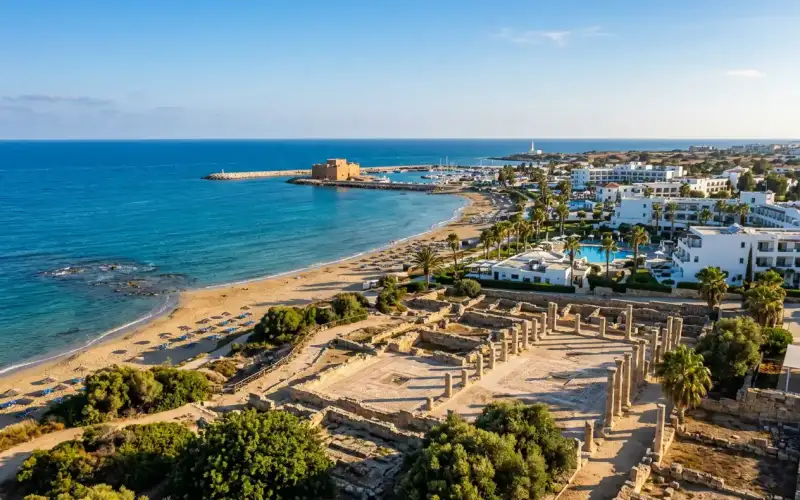
The Paphos Archaeological Park isn't a single, compact site. It's a sprawling complex spread across roughly 56 hectares, with the House of Dionysus being the crown jewel. There are also the House of Aion, the House of the Four Seasons, the Odeum, and scattered ruins across the landscape. If you're serious about photography, you need to understand the layout and how the sun moves across it throughout the day.
The park opens at 8:30 a.m. from November to March, and 8 a.m. from April to October. In 2026, admission is €4.50 for adults, €2.25 for seniors (over 65), and free for EU citizens under 25. The park closes at 5 p.m. in winter and 7:30 p.m. in summer. These hours matter because the quality of light changes dramatically between opening and closing.
The House of Dionysus, the most photographed structure, sits on slightly elevated ground facing roughly northeast. This means the morning sun hits the mosaics from the side and front, creating definition without harsh shadows. By midday, the sun is high and directly overhead, flattening the details and washing out the colours. By late afternoon, the light comes from behind the structures, creating backlighting that can be tricky to manage. Most professional photographers I've spoken to—and I've chatted with quite a few at the site—agree that the window between 8:30 and 10 a.m. is golden. Literally.
Optimal Lighting Times: The Technical Reality
Let me be direct: you cannot get good mosaic photographs at midday. I've tried. The results are flat, the colours look washed out, and the details disappear into shadow. If you're visiting in summer (June to August), the sun is so high and intense that even the best camera can't recover the nuance in the stone.
The best light occurs in two windows:
- Early morning (8:30 a.m. to 10:30 a.m.): Side-lighting creates definition and brings out texture. Colours are warm without being too orange. Shadows are long enough to show depth but not so harsh that they obscure detail. This is when you'll see the individual tesserae (tiny stone pieces) most clearly.
- Late afternoon (4:30 p.m. to 6:30 p.m., April to October): The light softens and comes from a lower angle. This works well if you position yourself so the light skims across the mosaics rather than hitting them head-on. You'll get warm tones and good shadow definition, though you'll need to watch for flare if the sun is in your frame.
Spring (March to May) and autumn (September to November) are ideal seasons for mosaic photography. The sun is lower in the sky even at midday, so you have more flexibility with timing. Summer is brutal—I'd avoid it unless you're shooting very early or very late. Winter (December to February) offers consistently low light, which sounds good in theory, but the park can be wet, the sky is often overcast, and you'll need either a fast lens or high ISO.
I typically aim for the first hour after opening. The light is warm, the crowds are minimal, and you can work methodically through the House of Dionysus without people constantly stepping into your frame. By 10 a.m., you'll see groups arriving, and the experience becomes more chaotic.
Camera Settings and Gear for Mosaic Photography
You don't need expensive equipment to photograph mosaics well. I've seen stunning images shot on smartphone cameras. That said, a few technical considerations matter.
For DSLR or mirrorless cameras: Use aperture priority mode (A or Av) with an aperture of f/5.6 to f/8. This gives you enough depth of field to keep the entire mosaic sharp, even if it's uneven or tilted. Mosaics are intricate, and you want every detail visible. Set your ISO to the lowest value that allows a shutter speed of at least 1/125th of a second (faster if you're hand-holding a telephoto lens). In good morning light, ISO 100 to 400 should be plenty. Use a neutral white balance or shoot in RAW and adjust later—the warm early-morning light can make colours look too orange if you're not careful.
Focal length is personal preference, but I've found that a 35mm to 85mm range works best. Wide-angle lenses (24mm or shorter) distort the geometric patterns in the mosaics, which defeats the purpose. Telephoto lenses (above 100mm) compress the scene and make it harder to show context. A 50mm or 35mm lens is ideal for environmental portraits of mosaics—you can show the mosaic plus its surroundings.
For smartphone users: Most modern phones have excellent cameras. Use the native camera app rather than third-party apps, as it typically produces better colour accuracy. Avoid digital zoom; move closer instead. Tap on the mosaic to lock exposure, then adjust brightness if needed. The built-in HDR mode can help recover detail in shadowy areas, but use it sparingly—it can make colours look artificial.
Essential gear: A tripod is invaluable, especially if you're using a slower shutter speed or want to compose carefully without hand-shake. A polarising filter reduces glare and deepens colours—it's particularly useful in bright conditions. A lens cloth and a small brush are practical necessities; dust and sand accumulate on the mosaics, and you'll want to gently clear them before shooting (though never scrub or use water—these are ancient artifacts). A small reflector (even a piece of white card) can bounce light into shadowy areas.
Composition Techniques: Making Mosaics Visually Compelling
The mosaics in the House of Dionysus are intricate, but they're also quite large—some panels are several metres across. Photographing them requires strategic choices about what to include and what to exclude.
Detail versus context: You have two options. Close-ups of individual figures or geometric patterns show the artistry and craftsmanship; they're intimate and reveal the skill of the ancient artisans. Wide shots that include the surrounding architecture and landscape tell a story about how the mosaics fit into daily life in Roman Paphos. Both are valid. I typically shoot both—a few wide establishing shots, then move in for details.
The House of Dionysus mosaics depict mythological scenes: Dionysus arriving in Paphos, Ariadne sleeping, various hunting and fishing scenes. These narrative elements are worth highlighting. Frame your shot so the central figure or action is clear, even if you're only capturing part of the larger composition. A detail shot of Dionysus's face, for example, is more compelling than a distant wide-angle view of the entire panel.
Leading lines and geometry: Mosaics are inherently geometric. Use the borders, the patterns, and the arrangement of tesserae to create leading lines that draw the viewer's eye into the image. Many of the geometric mosaics have concentric circles or radiating patterns—these naturally create visual interest if you frame them carefully.
Foreground, subject, background: When photographing mosaics in situ, you're working with what's there. But you can control your angle. Shoot from low angles to make the mosaics appear larger and more imposing. Shoot from high angles to emphasise the geometric patterns. Avoid shooting straight-on if possible; a slight angle creates more visual interest and reduces glare.
Shadows are your friend. If part of a mosaic is in shadow and part is in light, use that contrast. The shadowed area provides visual breathing room and makes the lit portion pop. Don't try to expose for both equally; expose for the lit area and let the shadow fall naturally.
Practical Tips and Common Mistakes
After years of photographing the park, I've learned what works and what doesn't. Here's what I wish I'd known when I started:
- Avoid the midday glare: Even in spring and autumn, midday is harsh. If you're visiting at midday (which many tour groups do), focus on interior structures or areas with shade, like the Odeum or the covered portions of the House of Aion.
- Bring a small step-ladder or stand on something stable: Many mosaics are at ground level, and shooting from ground level can be awkward. A small portable step-stool (nothing that damages the site, obviously) gives you a better vantage point.
- Watch for reflections: If the mosaics are wet (from recent rain or cleaning), they can become mirror-like, creating unwanted reflections of the sky or yourself. Dry conditions are preferable.
- Return on different days: If you're staying in Paphos for more than a day, visit the park multiple times. The light changes, the crowds change, and you'll see different details each time. I often visit the park two or three times during a week-long stay.
- Respect the site and other visitors: Don't step on the mosaics or touch them. Don't block other people's shots. Don't use flash (it's not permitted and can damage the ancient stone). If you're shooting early morning, be aware that staff may be working; stay out of their way.
One mistake I made repeatedly: over-processing images in post-production. Mosaics have subtle colours—terracotta, ochre, blue, white. If you boost saturation too much, they look artificial. Shoot in RAW, adjust exposure and white balance, then be conservative with other edits. The mosaics are beautiful without heavy-handed processing.
Seasonal Considerations and Planning Your Visit
Timing your visit to the Paphos Archaeological Park depends on your priorities. If photography is your main goal, spring and autumn are best. March to May offers reliable light without extreme heat; September to November is similar. The park is less crowded than summer, and the light is more forgiving.
If you're visiting in summer (June to August), go early. Arrive as soon as the gates open at 8 a.m., photograph for two to three hours, then leave before the heat becomes unbearable and the crowds arrive. Bring water, sunscreen, and a hat. Summer light is harsh, but you can work with it if you're disciplined about timing.
Winter (December to February) is quiet and cool, but the light is often flat and grey. You'll need patience and potentially higher ISO settings. However, if you visit on a rare clear winter day, the soft light can produce beautiful, moody images.
Combine your photography visit with a stay in nearby Paphos Old Town, where you'll find hotels ranging from budget guesthouses (€40-60 per night) to upscale options (€100-200+). The park is about 2 km north of the town centre, easily reached by local bus or a short taxi ride (€5-8). If you're planning a dedicated photography session, stay somewhere central so you can return to the park multiple times without wasting time on transport.
Making the Most of Your Mosaics Photography
The House of Dionysus and the surrounding mosaics are remarkable not just as subjects but as historical documents. These images, created nearly 2,000 years ago, reveal how Romans in Paphos lived, what they valued, and how they understood their place in the world. When you photograph them, you're documenting history. That context enriches the experience and, honestly, makes the photographs more meaningful.
Before you shoot, spend a few minutes reading the information boards scattered throughout the park. Understand what you're looking at. The mosaics aren't random decorative choices; they tell stories. That knowledge will influence how you frame and compose your images. You'll make more intentional, thoughtful photographs.
The Paphos Archaeological Park is one of Cyprus's most significant cultural sites and a UNESCO World Heritage location. It's also one of the most photogenic. With the right timing, technique, and approach, you'll come away with images that do justice to the artistry and history of the place. Early mornings, patience, and a willingness to return multiple times are your best tools. The mosaics have survived two millennia; they'll still be there if you need a second or third attempt to get the shot right.

Comments (4 comments)