
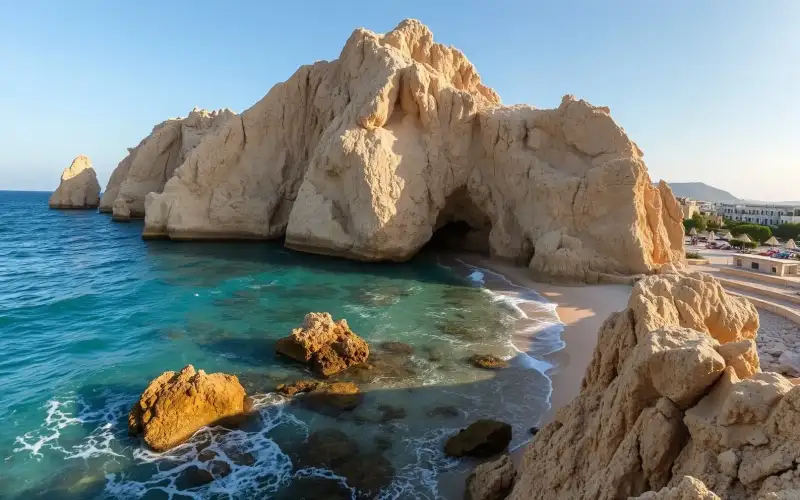
I arrived in Paphos in 2014 expecting to find a quiet retirement destination, and instead discovered something far more valuable: a coastline that rewards those willing to venture beyond the postcard beaches. While Coral Bay and Lara draw the tour buses by the dozen, the real Paphos exists in the quieter coves where you'll find Cypriot families, not clipboard-wielding tour operators.
Twelve years later, I've mapped these beaches thoroughly enough to know which ones fill with day-trippers by noon and which remain peaceful even in August. The difference between a memorable beach day and an exhausting one often comes down to knowing where to look.
Why the Hidden Beaches Matter
The beaches everyone knows about—Coral Bay, Lara, Tombs of the Kings—serve a purpose. They're accessible, they have facilities, and they're genuinely beautiful. But they're also packed. On a July morning in 2026, Coral Bay can absorb 3,000 visitors before noon. The car parks fill by 10 a.m. The tavernas run out of fresh fish by lunchtime.
The lesser-known beaches offer something different: space, quiet water, and the chance to actually hear conversation without shouting over neighbouring sunbeds. Many have improved their facilities in recent years without losing their character. Several are closer to excellent local tavernas than the famous spots. And crucially, they're where you'll find families who've been coming to Paphos for decades, not first-time tourists ticking boxes.
The practical advantage matters too. Smaller beaches mean shorter walks from car parks, fewer crowds competing for shade, and better chances of finding a taverna table without a reservation. For couples in their 60s or families with young children, this isn't a luxury—it's the difference between a relaxing day and an exhausting one.
Evretou Beach: The Quiet Cove
Evretou sits about 15 kilometres north of Paphos town, tucked into a valley that shields it from the main coastal road. The approach alone tells you something's different: the road narrows, the development thins out, and suddenly you're driving through actual countryside rather than tourist infrastructure.
The beach itself is modest—perhaps 200 metres of sand and shingle, backed by low cliffs and scattered pine trees. There's a single taverna, Taverna Evretou, which has operated since the 1980s under the same family. Their grilled octopus is exceptional, and they source fish from boats that moor just offshore. A main course runs €12-16, wine by the glass €3.50. They open from 11 a.m. year-round, though October through March they close Mondays and Tuesdays.
The water here is cleaner than at Coral Bay, partly because fewer people visit and partly because the bay's natural curve protects it from debris. Swimming is excellent from May through October. The beach shelves gradually, making it safe for children, and the shallow water warms quickly in summer.
Parking is free and plentiful—there's a small car park with perhaps 40 spaces, rarely full even in high season. The beach has basic facilities: a shower and changing room managed by the taverna, and a small kiosk selling ice cream and drinks. Bring your own shade unless you're eating at the taverna, which allows non-customers to sit under their umbrellas for €2 per person.
Getting there requires a car or taxi. From Paphos town centre, take the B7 north towards Polis for about 12 kilometres, then follow signs for Evretou. The journey takes 20 minutes in normal traffic, longer in July and August when the main road gets congested.
Akamas Peninsula Beaches: The Wild Coast
The Akamas Peninsula, a protected nature reserve occupying the northwest corner of Paphos district, contains several beaches that feel genuinely remote. Access is restricted—you can't drive through the reserve itself—but two beaches are reachable on foot or by boat, and one is accessible by car.
Lara Beach, despite its fame for loggerhead turtles, remains quieter than Coral Bay because it's 45 kilometres from town and requires deliberate effort to reach. The drive itself—through mountain villages and olive groves—becomes part of the experience. The beach stretches for 2 kilometres, backed by sand dunes and protected vegetation. Swimming is permitted away from the turtle nesting areas (marked with rope barriers). There are no tavernas at Lara itself, so bring food and water. A small visitor centre, open 9 a.m. to 4 p.m. daily, provides information about the turtles and the reserve.
For a more intimate experience, Chrysochava Beach lies just north of Lara, accessible by the same road. It's smaller, rockier, and even quieter. The water here is exceptional—deep blue and clean—and the surrounding cliffs create natural wind protection. There are no facilities whatsoever, so come prepared with everything you need. The 45-minute drive limits casual visitors, which is precisely why locals favour it.
A third option, Toxeftra Beach, sits on the southern edge of the peninsula and is reachable by boat from Paphos town. Several operators run daily trips (€35-45 per person, including lunch), or you can hire a private boat for €150-200. The beach itself is small, sandy, and backed by dramatic cliff formations. The boat journey itself—passing sea caves and dramatic rock formations—adds to the appeal.
Faros Beach: The Accessible Secret
Faros Beach, near the village of Polemi about 20 kilometres northeast of Paphos, represents a sweet spot: genuinely quieter than the main beaches, yet accessible without a 45-minute drive. The beach is sandy, clean, and backed by a small development that somehow hasn't ruined its character.
What makes Faros special is its facilities. There's a proper car park with 80 spaces, a taverna (To Faros), changing facilities with hot showers, and a small beach bar. The taverna serves good mezze platters (€14-18), fresh grilled fish, and local wine. The owner, Dimitri, has run the place for 18 years and remembers regular customers by name. It's the kind of place where you can book a table for sunset and actually get one, even in August.
The beach itself is family-friendly. The water shelves gradually, making it safe for young swimmers. There's adequate shade from tamarisk trees, and the smaller crowds mean your children can play without navigating around sunbed rows. Parking costs €1.50 for the day, a small price for peace.
The 20-minute drive from Paphos town means you're close enough for a spontaneous visit but far enough to avoid day-trippers. Most visitors here are either locals or people staying in nearby villages.
Geroskipou Beach: Underrated and Convenient
Geroskipou village, just 5 kilometres south of Paphos town, has a beach that most tourists overlook because it's neither famous nor particularly dramatic. This oversight is the beach's greatest asset.
The beach stretches for about 800 metres, mostly sand with some pebbles. The water is clean and calm, protected by a natural reef formation that breaks waves. It's excellent for swimming, particularly for older swimmers who prefer gentler conditions. The seafront has developed modestly—a handful of tavernas, a few small hotels—without becoming overdeveloped.
Taverna Geroskipou sits right on the beach and serves straightforward Cypriot food. Their souvlaki is reliable, their meze generous, and a full meal with wine rarely exceeds €25. They're open from 10 a.m. daily, year-round. Parking is free on the street or in a small car park near the beach entrance.
The real advantage of Geroskipou is convenience. If you're staying in Paphos town and want a beach day without the drive, this is genuinely pleasant. It's also excellent for families with young children because the walk from car park to beach is perhaps 100 metres, and facilities are close at hand.
Practical Considerations and Seasonal Patterns
Beach conditions vary significantly by season. May through September offers reliable sunshine and warm water (25-28°C), but July and August bring peak crowds and occasional heat that makes midday beach time uncomfortable. April, May, September, and October offer ideal conditions: warm water (20-24°C), fewer visitors, and more pleasant temperatures for walking and exploring.
Winter swimming is possible (water temperature 16-17°C) from November through March, though most beaches become windier and less appealing for lounging. However, winter is when you'll find the beaches genuinely empty, and many visitors find this peaceful solitude worth the cooler water.
Facilities vary considerably. The major beaches have lifeguards, proper changing facilities, and multiple tavernas. The quieter beaches often have basic facilities or none at all. Always bring water, sun protection, and food unless you're confident a taverna will be open. Out-of-season, even established tavernas may close for renovations or reduced hours.
Accessibility for mobility-impaired visitors is limited at most beaches. Coral Bay and Lara have proper disabled facilities and accessible parking. The smaller beaches generally don't. If accessibility is essential, contact the Paphos Tourism Organisation before visiting.
Common Mistakes to Avoid
The most frequent error is arriving without water or shade and expecting to find both. Even beaches with tavernas can run out of supplies on hot days, and shade trees aren't guaranteed. Bring at least 2 litres of water per person and a parasol or beach tent.
Second mistake: assuming all beaches have facilities. Several of the quieter options—particularly Chrysochava and Toxeftra—have nothing. No toilets, no showers, no water. Plan accordingly.
Third: driving to beaches in July and August without arriving early. The car parks at even quieter beaches can fill between 10 a.m. and noon. If you're visiting during peak season, arrive by 9 a.m. or plan for late afternoon visits (4 p.m. onwards) when early visitors leave.
Fourth: assuming Greek taverna prices are standardized. Prices vary wildly. A fish meal at a tourist-focused taverna might cost €25-30, while the same dish at a local place costs €14-18. Ask locals for recommendations rather than choosing based on appearance.
Finally: underestimating driving times. The coastal roads around Paphos are scenic but narrow, and summer traffic can be substantial. A journey listed as 20 minutes might take 35 minutes in August. Plan buffer time into your day.
Where to Stay for Beach Access
If you're visiting specifically to explore these quieter beaches, consider staying outside Paphos town centre. Villages like Polemi, Peyia, and Coral Bay town offer accommodation closer to the northern beaches. Geroskipou and Faros are better served by staying in Paphos town itself.
Many visitors rent villas or apartments rather than hotels, particularly for stays longer than a week. This allows flexibility for beach days and access to cooking facilities for picnic preparation. Several villa rental companies specialise in properties within 5 kilometres of quieter beaches.
Final Thoughts
The beaches beyond the brochures aren't secret because they're difficult to find—they're secret because most visitors never look. They require a bit more effort, a bit more planning, and a willingness to miss the famous photo opportunities. What you gain in exchange is something increasingly rare: a beach day that feels like an escape rather than a checklist item. After 12 years here, I still discover new coves and quiet stretches. The Paphos coastline rewards exploration.


Comments (4 comments)