
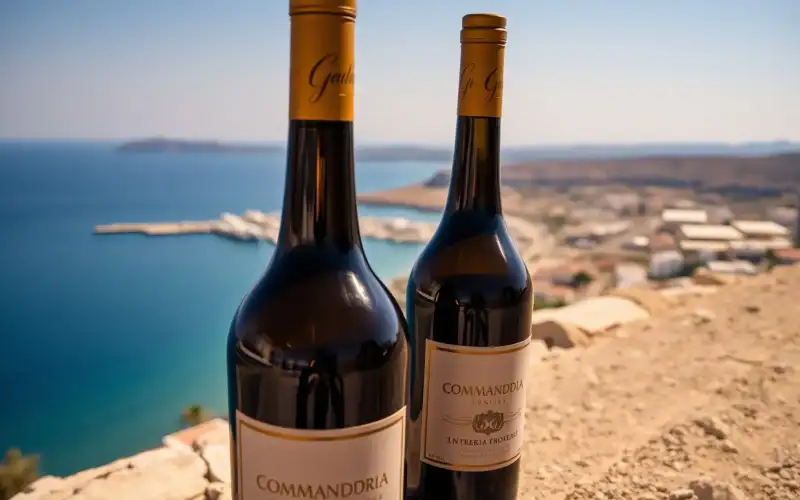
I arrived at Kitis Winery on a Thursday morning in October 2024 with no idea what I was about to taste. The owner, Costas, handed me a glass of amber liquid that smelled faintly of dried apricots and caramel, then asked me to guess the age. I guessed five years. He laughed. "Try 1982," he said. That glass changed how I understood wine, and more importantly, how I understood Paphos.
Commandaria is not a winery. It's a place—a small region in the Troodos Mountains, roughly 45 kilometres north of Paphos town, where grapes have been fermented into sweet wine for nearly 900 years. The Crusaders named it in the 12th century. The Venetians prized it. The British, when they colonised Cyprus, drank it in officers' clubs across the Mediterranean. Today, it remains one of Europe's oldest continuously produced wines, and yet most visitors to Paphos have never heard of it.
The Problem: Commandaria's Invisibility in Modern Tourism
Walk into any hotel lobby in Paphos in 2026 and ask the concierge to recommend a local wine experience. Most will point you toward the beaches or suggest a generic "wine tour" that covers three mass-production facilities in the lowlands. You'll taste wines made from grapes grown 300 kilometres away. You'll spend four hours on a coach. You'll pay €65 per person for lunch you could have eaten at your hotel.
The real problem is simpler: Commandaria exists in a blind spot. It's not fashionable enough for wine magazines. It's not convenient enough for cruise passengers. The wineries are small, family-run, and scattered across mountain villages with names like Zoopigi and Kaminaria that don't appear on most tourist maps. The wines themselves are sweet—deeply, unapologetically sweet—which puts off visitors trained by decades of dry wine snobbery to believe that sweetness equals cheapness.
This is a tragedy, because Commandaria offers something no other wine region near Paphos can deliver: authenticity, history, and a genuine connection to Cypriot culture. The people who make these wines have been doing it the same way for generations. The villages themselves are living museums. And the wines, once you understand them, are extraordinary.
Why Commandaria Matters: A Brief History
The story begins in 1191, when Richard the Lionheart passed through Cyprus en route to the Crusades. He gave the region to the Knights Templar as a reward for their service. The knights established vineyards in the foothills and named the area "Commendaria"—Latin for "the Commander's Land." The wine they produced became famous across Europe within decades.
By the 15th century, Commandaria was exporting wine to Venice, Genoa, and the papal court in Rome. Merchants called it "the wine of kings." In 1571, when the Ottoman Empire conquered Cyprus, Commandaria's reputation was so established that the new rulers allowed wine production to continue—a rare concession, given Islamic prohibitions on alcohol. The wine was simply too valuable, too famous, too embedded in the region's economy.
The British discovered Commandaria in the 1880s and began blending it with sherries and ports. By the early 20th century, it was served in officers' clubs across the British Empire. A bottle from 1900 sold at auction in 2018 for £850. The wine had become a relic, a taste of history itself.
What makes Commandaria unique is not just age but method. The grapes—primarily Xynisteri and Mavro varieties—are harvested late, left to dry on the vine or on straw mats, then fermented slowly in oak barrels. The process concentrates the sugars and creates wines that can age for decades, sometimes centuries. A bottle from 1950 tastes nothing like a bottle from 2020, but both are recognisably Commandaria. The wine evolves, deepens, becomes something else entirely.
In 1990, the European Union granted Commandaria Protected Designation of Origin (PDO) status. This meant that only wines produced within the designated region, using approved grape varieties and traditional methods, could bear the name. It was a recognition of what locals had always known: this place makes wine differently.
The Solutions: Reputable Wineries and Practical Tasting Tours
Kitis Winery: The Scholar's Choice
Kitis sits in the village of Kitis, about 50 kilometres from Paphos town. The drive takes 90 minutes via the B9 road through Tsada. Costas, the owner, studied enology in France and returned to his family vineyard in 2001 determined to revive traditional methods. Today, Kitis produces about 40,000 bottles annually, all Commandaria, all from grapes grown within 5 kilometres of the winery.
The tasting experience is unhurried. You'll sit in a cool stone cellar, surrounded by oak barrels dating back to the 1970s, and taste through five or six wines—typically a 3-year-old, a 10-year-old, a 20-year-old, and sometimes a rare vintage from the 1980s. Costas talks about terroir, fermentation temperatures, and the way altitude affects sugar concentration. He doesn't condescend. He assumes you're intelligent and curious. Tours run Tuesday to Saturday, 10:00 to 13:00, and cost €18 per person (including a small glass and tasting notes). A light lunch is available for an additional €12.
Transport note: Kitis has no regular bus service. You'll need a hire car or taxi. A taxi from Paphos town costs approximately €55–70 one way. If you're staying in Paphos and visiting independently, budget €130–140 for transport alone.
Tsangarides Winery: The Accessible Option
Tsangarides is located in the village of Tsangarides, about 40 kilometres from Paphos (roughly 70 minutes by car). The winery is larger than Kitis—producing about 120,000 bottles annually—but still family-owned and operated. Maria Tsangarides, who took over from her father in 2008, has modernised the facility while keeping production methods traditional.
The tasting here is more structured than at Kitis. You'll taste four wines, each paired with a small plate of local cheese or nuts. The wines are clearly labelled by age and alcohol content, which helps beginners understand the spectrum. A 3-year-old Commandaria will be lighter, fruitier, and slightly less sweet than a 15-year-old. Maria explains why. Tours run daily, 10:00 to 12:30, and cost €22 per person (including tasting, notes, and small plate). Lunch is available at the on-site taverna for €15–18.
Transport note: Tsangarides offers a shuttle service from Paphos town on request (€25 per person, minimum two people). This is a genuine advantage if you're travelling without a car.
Hadjipavlis: The Budget-Friendly Introduction
Hadjipavlis is the smallest winery listed here, producing only 8,000 bottles annually. It's located in the village of Kaminaria, about 48 kilometres from Paphos. The owner, Nicos, is in his seventies and still hand-labels every bottle. The tasting room is essentially his garage, decorated with old wine bottles and photographs of his grandfather.
This is not a polished experience. It's authentic. You'll taste three wines, sit on wooden chairs, and listen to Nicos tell stories about the 1960s, when Commandaria was still the dominant export crop in the region. The wines are excellent—particularly his 12-year-old, which has a complex flavour profile of raisins, honey, and burnt orange. Tours are informal and by appointment only. Cost is €15 per person. No transport is provided.
Organised Tours from Paphos
If you prefer not to hire a car or arrange taxis, two operators offer group tours from Paphos town:
- Cyprus Wine Tours: Operates daily (except Sundays) from the Paphos Harbour area. Tours depart at 09:00 and return at 17:00. You'll visit two wineries, taste six wines, and enjoy a traditional lunch in a village taverna. Cost: €68 per person. Transport, tastings, and lunch included. Booking online at least 24 hours in advance.
- Paphos Heritage Wine Experience: Smaller group (maximum eight people) departing three times weekly (Tuesday, Thursday, Saturday). Focuses on history and terroir rather than volume. Departs 10:00, returns 16:30. Cost: €85 per person. Includes transport, three tastings, and a light lunch. Booking required; call the Paphos Tourist Information Centre for details.
Tasting Notes for Beginners: What to Expect
Commandaria wines fall into three broad categories by age. Understanding these will help you navigate any tasting.
Young Commandaria (3–5 years): These are lighter in colour—amber or light brown—and taste of dried fruit, honey, and sometimes a slight nuttiness. The alcohol content is typically 15–16 percent. They're sweet, but not cloying. If you dislike very sweet wines, start here. A glass tastes good with a cheese course or on its own after dinner.
Mature Commandaria (10–20 years): The colour deepens to mahogany or dark brown. The flavours become more complex: raisins, figs, caramel, sometimes a hint of tobacco or leather. The alcohol content rises to 16–17 percent. These are the wines that made Commandaria famous. A glass of a 15-year-old Commandaria is an experience, not just a drink.
Vintage Commandaria (25+ years): These are rare and expensive (€80–250 per bottle). The colour is almost black. The flavours are intense and layered—think of dried apricot, burnt sugar, old oak, and a whisper of spice. The alcohol content can reach 18 percent. Most tastings won't include these, but if they do, sip slowly. You're tasting history.
A practical tip: always taste from youngest to oldest. Your palate needs the lighter wines to prepare for the heavier ones. And always smell before you sip. Commandaria's aroma is half the experience.
Practical Information: Costs, Seasons, and Booking
Most wineries operate year-round, but October and November are ideal for visiting. The harvest happens in late September, so the facilities are active, and the staff have stories to tell. The weather is warm but not oppressive—typically 24–26 degrees Celsius. Spring (April–May) is also excellent, with wildflowers blooming in the vineyards.
Summer (June–August) can be uncomfortable. The mountain villages are cooler than Paphos town, but temperatures still exceed 30 degrees Celsius. Many tourists skip this season, which means shorter queues but also reduced tour availability.
Winter (December–February) is quiet. Some smaller wineries close for maintenance. If you visit, book at least two weeks in advance.
Costs vary, but here's a rough guide for 2026:
| Experience | Cost per Person | Includes |
|---|---|---|
| Small winery tasting (Kitis, Hadjipavlis) | €15–18 | 3–5 wines, notes, no food |
| Medium winery tasting (Tsangarides) | €22–25 | 4 wines, notes, small plate |
| Organised group tour | €68–85 | 2 wineries, lunch, transport |
| Hire car (daily) | €35–50 | Economy vehicle, petrol |
| Taxi from Paphos (one way) | €55–70 | Direct journey, 90 minutes |
Expert Tips: Making the Most of Your Visit
First, eat before you taste. Don't arrive hungry. A light breakfast or lunch will help your palate function properly and prevent the alcohol from affecting you too quickly. Commandaria is strong.
Second, ask questions. The people who make these wines love talking about them. If you don't understand something—the fermentation process, the difference between two vintages, why one wine tastes of raisins and another of honey—ask. The worst that happens is they tell you the answer.
Third, don't feel obligated to buy. Most tastings don't include pressure to purchase. If you fall in love with a wine, buy it. If you don't, that's fine. The experience itself has value.
Fourth, bring a notebook. Commandaria wines are complex, and you'll taste several in one sitting. Jot down a few words about each one—the colour, the smell, the flavour, your impression. This will help you remember which wine you preferred and why.
Fifth, consider hiring a driver if you're visiting multiple wineries. A taxi costs roughly the same as a hire car for a day, and it means nobody in your group has to worry about drinking and driving. Several local companies offer this service; ask at your hotel.
Finally, don't expect Commandaria to taste like other wines you've had. It's not a port, not a sherry, not a dessert wine in the conventional sense. It's its own thing, shaped by 900 years of tradition and a specific place on a specific island. That's what makes it worth tasting.
Next Steps: Planning Your Commandaria Experience
If you're staying in Paphos for a week or longer, dedicate a full day to Commandaria. Start with an organised tour if you're uncertain about logistics. The €68–85 cost is reasonable, and you'll learn more from a guide than you would wandering in alone.
If you're returning to Paphos annually (as many British property owners do), consider hiring a car one day and exploring independently. Visit a different winery each year. Build relationships with the owners. By your third visit, you'll know Costas by name and have a preferred vintage.
If you're buying property in the Paphos region, Commandaria is worth understanding. It's part of the cultural landscape. It explains why this area has been inhabited and valued for nearly a thousand years. When you own land here, you're part of that continuity.
Book your first tasting at least one week in advance. Most wineries require advance notice, particularly if you're visiting in groups of more than four people. Check the winery websites or call the Paphos Tourist Information Centre (open Monday to Friday, 08:30 to 16:30) for current hours and availability.
One final note: bring a cooler bag if you're purchasing bottles to take back to your accommodation. Commandaria doesn't travel well in heat. If you're flying out of Paphos within a day or two of your tasting, ask the winery about shipping options. Most can arrange this for a small fee.


Comments (4 comments)