
The Hook: Why Commandaria Isn't Just Another Tourist Stop
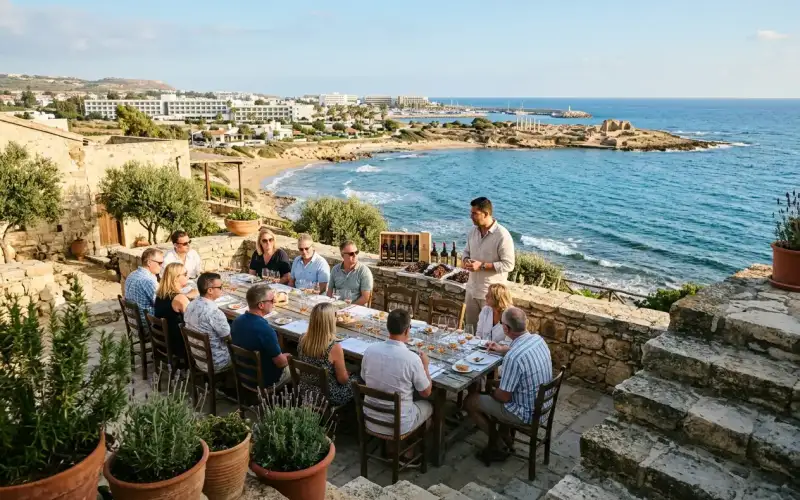
I spent a morning last October standing in a 500-year-old stone cellar near Kyperounta, watching a winemaker decant a 1982 Commandaria that had been aging in oak since before I was born. The colour was mahogany. The nose was raisins, honey, and something like old leather. One sip and I understood why this wine has been traded since the Crusades—it's not marketing, it's geology and patience.
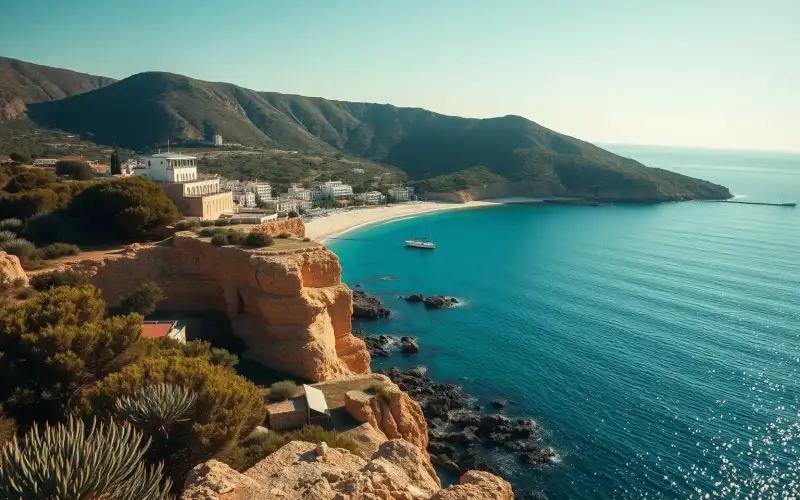
Most British visitors to Paphos skip the wine entirely, heading straight for the beach clubs and taverna ouzo. Fair enough. But if you're the type who reads wine lists, who owns property in the region, or who visits annually and actually wants to know what you're drinking, Commandaria demands attention. This isn't a casual afternoon—it's a masterclass in how a small region, 900 metres up in the Troodos foothills, produces wines that compete with port, Madeira, and Marsala.
The region covers just 14 villages. Production is tiny. Most of what's made never leaves Cyprus. And yet, if you know where to go and what to ask for, you'll taste wines that British wine merchants sell for £40–£80 a bottle.
Option A: The Traditional Winery Route—KEO and Tsangarides
KEO Commandaria: Scale, Accessibility, and Consistency
KEO is the largest producer in the region and the most accessible for visitors. Their Commandaria estate sits just outside Kyperounta, about 45 minutes' drive from Paphos town, and they run structured tastings daily from 10 a.m. to 5 p.m. (closed Sundays). Expect to pay €15 per person for a standard tasting; €25 if you want the reserve flight with older vintages.
The facility is professional—not rustic, not pretentious. You'll taste in a modern tasting room overlooking the vineyards, and the staff speak English fluently. The standard tasting includes their entry-level dry red, their flagship Commandaria (the sweet fortified wine), and a brandy. If you book ahead (which you should), they'll pair the wines with local cheeses and cured meats.
What you get here is consistency and education. The winemakers are used to explaining the production process: how the grapes (Mavro and Xynisteri varieties) are left to dry on the vine or on mats after harvest, concentrating sugars to 24–28 Brix before fermentation. How the wine is aged in oak for a minimum of two years. How the final product sits somewhere between a tawny port and a vin doux naturel in style.
The reserve Commandaria—usually a 1997 or 2000 vintage—is where KEO shines. It's smooth, complex, and shows the aging potential of the region. Expect to pay €35–€45 for a bottle to take home.
Tsangarides: The Family Producer and Hidden Gem
Tsangarides is family-run, smaller, and less polished than KEO, but that's exactly why serious wine tourists should go. The family has made wine in Kyperounta for four generations. Their Commandaria is traditional—no marketing, no fancy bottles, just wine made the way it's been made for decades.
You need to call ahead (they don't have formal tasting hours), but they'll welcome you into their cellar for €10 per person. You'll taste directly from barrel if you're lucky, and the owner—usually Christos or his son—will talk you through the vintage, the weather that year, and why their wine tastes different from KEO's.
The key difference: Tsangarides uses slower fermentation and longer oak aging. Their standard Commandaria is drier and more complex than KEO's; it has less obvious sweetness and more savoury notes. If you like tawny port, you'll prefer Tsangarides. If you prefer something sweeter and more approachable, KEO wins. A bottle costs €18–€25.
The Practical Reality: Time and Logistics
Both wineries are in the mountains. From Paphos town, allow 90 minutes' drive time each way. The roads are good but winding. If you're visiting both in one day, you'll need to start early and accept that you'll spend most of the day driving and tasting. Alternatively, stay overnight in one of the mountain villages—Kyperounta or Koilani both have small hotels and tavernas—and do a proper two-day wine tour.
Rent a car; don't rely on taxis. The villages aren't connected by regular public transport, and you'll want flexibility to stop at smaller producers or eat lunch at a local taverna without rushing.
Option B: The Boutique and Natural Wine Route—Smaller Producers and Wine Bars
Fikardos: Minimal Intervention, Maximum Character
Fikardos is a one-man operation run by a winemaker named Yiannis who studied in Burgundy and came back to Commandaria determined to make natural wine. He uses wild yeast fermentation, minimal sulphites, and no temperature control. The results are unpredictable and polarising—which is exactly why wine enthusiasts love him.
His Commandaria is drier than traditional versions, with more tannin and a slight funkiness that comes from natural fermentation. Some bottles are brilliant; some are a bit unstable. He makes about 3,000 bottles a year, and most are sold directly from his cellar. Tasting costs €8, and he'll give you an hour of conversation about why Commandaria needs to evolve.
Finding him requires effort—no website, no formal hours, just a small sign on the road outside Koilani. Call ahead through your hotel or the Paphos tourism office. A bottle costs €22–€28.
Keo's Smaller Sibling: Loel Wines
Loel is owned by members of the KEO family but operates independently, focusing on smaller-batch, more experimental Commandarias. They're based in Limassol but source grapes from Commandaria and age the wine in their own cellars.
They run tastings by appointment only (€20 per person), and they're worth the effort. Their reserve Commandaria, aged 12 years, is one of the finest examples of the wine you'll taste. It's rich, balanced, and shows what the region can do at the highest level. Expect to pay €60–€75 for a bottle.
Wine Bars in Paphos: Where to Taste Without the Drive
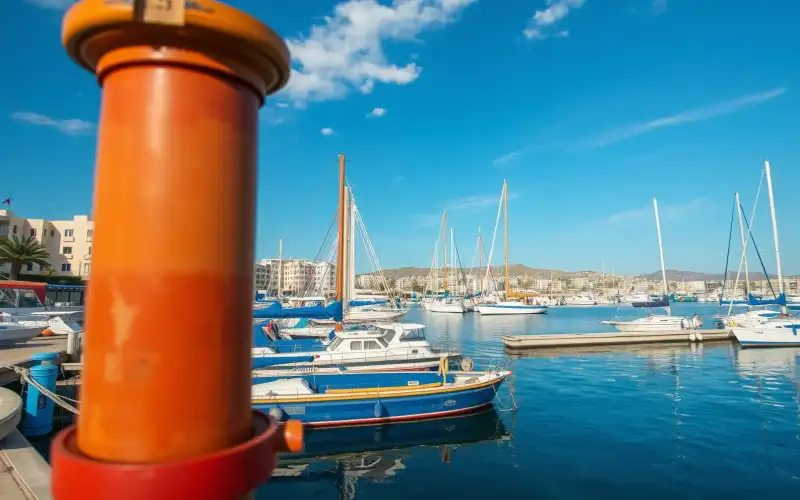
If the mountain drive feels like too much, several wine bars in Paphos town stock serious Commandaria selections. Vaivai Wine Bar, near the harbour, has a list of 20+ Commandarias from different producers and vintages. You can taste by the glass (€6–€12) and get educated without leaving town. The owner, Maria, knows every producer personally and will match wines to your palate.
Alternatively, the restaurants at Ktima Geroleme (a hotel with a wine focus) and the Annabelle Hotel both run wine-focused dinners during the summer months where Commandaria is featured alongside food pairings. These are more expensive (€60–€100 per person) but educational and social.
Option C: Food Pairing Strategy—The Real Masterclass
What Commandaria Actually Pairs With
This is where most tourists get it wrong. Commandaria is not a dessert wine you drink at the end of a meal with chocolate. It's a complex fortified wine that pairs with savoury food, aged cheese, cured meat, and even some main courses.
Dry or off-dry Commandarias (lower residual sugar) pair beautifully with aged hard cheeses—try it with a 12-month Cypriot halloumi or an imported Manchego. They also work with cured meats: spicy sausage, prosciutto, or the local pastirma. The tannins cut through the fat, and the wine's acidity balances the salt.
Sweeter Commandarias (higher residual sugar) work with blue cheese, walnuts, dried fruit, and nuts. They're also excellent with rich poultry dishes—duck confit, roasted chicken with herbs—where the wine's sweetness complements the savoury meat.
Where to Eat and Taste Together
The taverna Karyatis in Kyperounta serves traditional Cypriot food and stocks Commandaria from local producers. Order the grilled halloumi, the lamb kleftiko, and a glass of dry Commandaria. Total cost: €35–€45 per person. It's not fancy, but it's authentic and the pairing is flawless.
In Paphos town, the restaurant at the Ktima Geroleme hotel runs a summer wine dinner series (June–September) where three courses are paired with three different Commandarias from different producers. Cost: €75 per person. Book ahead.
Comparison Table: Which Route Suits You?
| Route | Best For | Cost (per person) | Time Required | Effort Level | Wine Quality |
|---|---|---|---|---|---|
| KEO (Traditional) | First-timers, families, accessibility | €15–€25 | 3–4 hours | Low | Consistent, approachable |
| Tsangarides (Family) | Wine enthusiasts, serious tasters | €10 | 3–4 hours | Medium (call ahead) | Complex, traditional |
| Fikardos (Natural) | Advanced tasters, natural wine fans | €8 | 3–4 hours | High (requires planning) | Experimental, variable |
| Wine Bars (Paphos) | Convenience, variety, no driving | €6–€12/glass | 1–2 hours | Very low | Curated selection |
| Food Pairing Dinners | Social experience, education | €60–€100 | 2–3 hours | Low (structured) | Premium, curated |
Practical Masterclass: How to Taste Commandaria Like a Professional
The Tasting Method
Commandaria is fortified (around 15% alcohol) and concentrated, so you don't need large pours. Use a standard wine glass, not a dessert glass. Pour about 50 ml. Look at the colour first—it should be deep amber to mahogany, never brown or murky. Swirl gently and smell. You're looking for raisins, honey, dried apricots, nuts, caramel, and sometimes spice or leather.
Taste. Let it sit on your palate for a few seconds. Notice the sweetness level, the tannins (drying sensation), the acidity, and the finish. A good Commandaria should have a long finish—the flavours should linger for 30+ seconds after you swallow. If it disappears immediately, it's not a quality bottle.
Take notes. Seriously. Write down the producer, the vintage, the colour, your tasting notes, and the price. You'll taste 8–10 different wines across a day or two, and you'll forget which was which without notes.
Vintage Matters—But Not How You Think
Commandaria doesn't have
Comments (2 comments)