
My youngest still talks about the February half-term when we stumbled across an entire hillside of almond blossom near Tsada and she declared it "better than Disneyland." She was eight, covered in mud from a morning spent exploring village tracks, and completely unimpressed by the fact that the sea was too cold to swim in. That's February in Paphos in a nutshell: it's not what package-holiday brochures promise, but it's often better than what families actually need.
If you're considering Paphos for half-term in February 2026, you're looking at a window that sits between peak winter tourism and the spring rush. The crowds have thinned considerably from December and January, prices have dropped, and the landscape is doing something genuinely beautiful. But the sea is cold, rain is possible, and you need to plan differently than you would for summer. This guide walks you through what to realistically expect and how to make the most of it.
What You'll Learn in This Guide
By the end of this article, you'll understand the actual weather patterns for Paphos in February 2026, know which beaches and villages are worth visiting during the off-season, have a realistic picture of sea temperatures and swimming conditions, and have a solid backup plan for the inevitable rainy afternoon. You'll also know which family activities work brilliantly in February and which ones are genuinely disappointing when the weather doesn't cooperate.
More importantly, you'll stop thinking of February as a "second choice" month and start seeing it as a legitimate family holiday window with its own advantages: lower accommodation prices, shorter queues, and a pace that lets you actually enjoy time with your kids rather than rushing between attractions.
Prerequisites: What You Actually Need to Pack and Know
Before you book, there are several things you should understand about February in Paphos. This isn't a "pack light" month. You'll need layers, proper shoes, and a willingness to be flexible.
Temperature Reality: Daytime temperatures in February 2026 typically range from 14°C to 18°C, with occasional days pushing toward 20°C if you're lucky. Early mornings and evenings drop to around 10°C. This means jumpers, light jackets, and proper footwear are non-negotiable. The sun can feel warm when it's out, which creates a misleading sense of warmth—you'll take off your jacket, feel fine for twenty minutes, and then genuinely regret it.
Sea Temperature: The Mediterranean in February hovers around 16°C to 17°C. For context, that's cold enough that most people need a wetsuit to stay in for more than a few minutes. Your kids probably won't swim unless they're genuinely hardy, and even then, they'll last about ten minutes before their lips turn blue. Plan beaches for paddling and exploring rock pools, not for swimming lessons.
Rain and Sunshine Balance: February sees roughly 8 to 10 days of rain spread across the month. That sounds manageable until you realize it often comes in concentrated bursts rather than gentle drizzle. You might get three days of solid rain followed by five days of brilliant sunshine. Pack waterproof jackets, not umbrellas—they're useless in wind, and Paphos can be blustery.
Accommodation Availability: This is actually one of February's genuine advantages. Hotels that charge £150+ per night in summer often drop to £60 to £90 in February. Many family-friendly properties offer better rooms at lower rates. However, some smaller hotels and holiday rentals close entirely from mid-January to mid-February, so book early if you have specific preferences.
Flight and Ferry Schedules: Paphos International Airport operates normally in February, but check your airline's winter schedule—some budget carriers reduce flights. The ferry from Rhodes runs year-round but can be cancelled during rough seas, which happens occasionally in February.
School Half-Term Dates for 2026: Most UK schools break for half-term between February 16 and February 20, 2026. Paphos will be busier those specific dates, but still far quieter than summer. If you can travel the week before (February 9 to 13), you'll find even fewer tourists and better availability.
Almond Blossom Timing: The early almond blossom appears from late January through February, peaking in mid-to-late February. If you're visiting specifically to see it, aim for February 15 to 28. The hill villages around Tsada, Phiti, and Lasa are where you'll find the most dramatic displays.
Hire Car Necessity: To properly explore Paphos in February, you really need a hire car. Buses run, but they're infrequent, and you'll waste half your time waiting. A small manual car costs around £15 to £20 per day from local companies, less than the big international chains.
Dining Hours: Many restaurants in quieter areas operate reduced hours in February or close entirely on certain days. Check ahead if you've spotted somewhere specific. Tavernas in villages usually open from around noon and 7 PM onwards, but don't assume.
Currency and Cards: Cyprus uses the euro. Most places accept cards, but smaller village tavernas sometimes don't. Bring cash. ATMs are plentiful in Paphos town and Kato Paphos.
Sunscreen Still Matters: The sun reflects off the sea and bounces off pale winter sand. Even on cooler days, you can burn surprisingly quickly. SPF 30 minimum, and reapply after water activities.
Step 1: Choose Your Base and Accommodation
Your accommodation choice makes or breaks a February family trip to Paphos. The wrong location leaves you driving for forty minutes to find anything to do; the right one puts you close to villages, beaches, and activities.
Kato Paphos (Lower Town): This is the obvious choice for families. The seafront is lined with restaurants, the harbor is interesting to walk around, and there are shops within walking distance. Hotels here range from £60 to £120 per night in February. The downside is that it can feel a bit touristy even in off-season, and the beach is pebble rather than sand. Families with young kids often find the harbor walks more engaging than the beach anyway.
Paphos Town Center: Quieter than Kato Paphos, better for families who want to explore a "real" Cypriot town without the resort atmosphere. Fewer restaurants within walking distance, but more authentic local tavernas. Accommodation is slightly cheaper, around £50 to £85 per night.
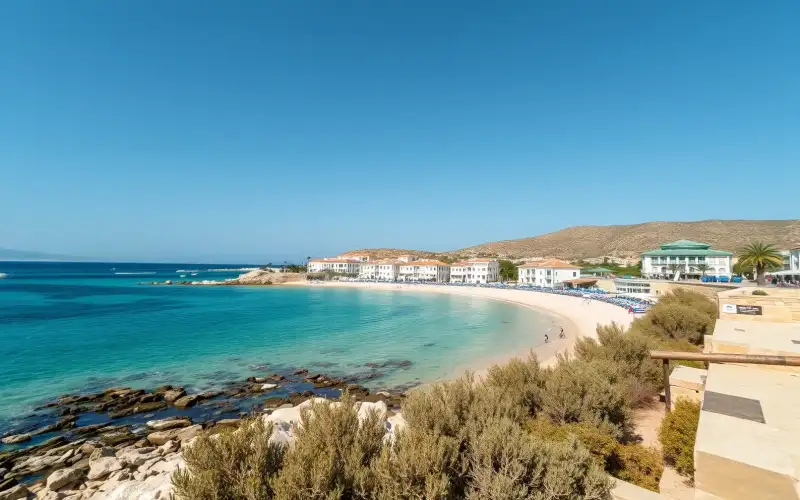
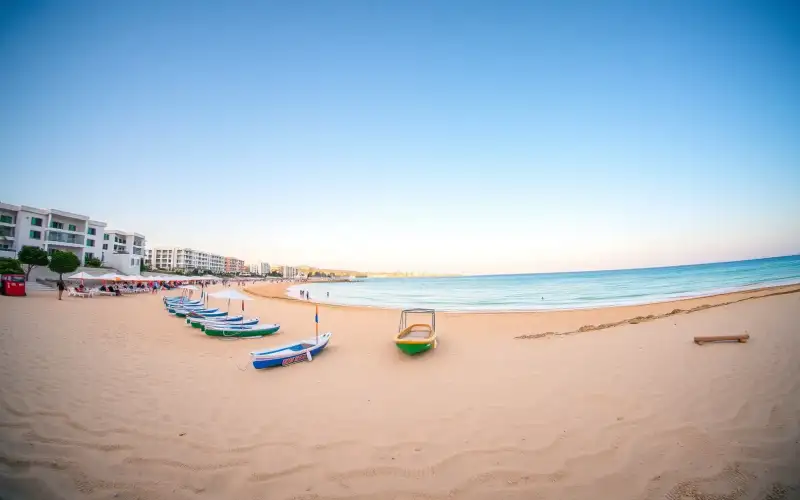
Coral Bay Area: About 12 kilometers north, this has a proper sandy beach and is genuinely quieter in February. It's a 15-minute drive from Kato Paphos, so you're not isolated, but you feel less in the thick of tourism. Good for families who want beach time without crowds.
Hill Villages: If you're specifically interested in almond blossom and traditional village life, consider staying in or near one of the hill villages like Tsada or Phiti. Accommodation is limited and basic, but you wake up surrounded by blossom and have direct access to walking trails. Not ideal if your kids need entertainment options, but brilliant if they're happy exploring nature.
For most families, I'd recommend Kato Paphos as a base with a hire car for day trips. You get the convenience of restaurants and shops without the isolation of a rural location, and you're close enough to everything to explore properly.
Step 2: Plan Your Beach Days Realistically
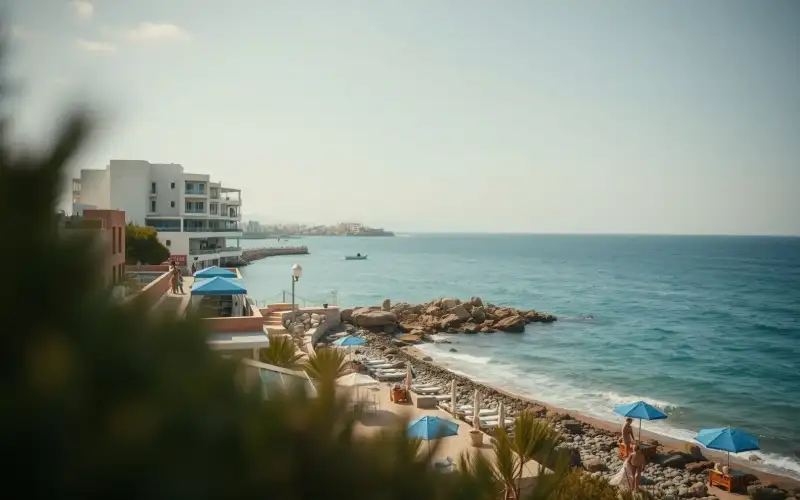
February beaches in Paphos are beautiful and almost empty, but they're not swimming beaches for most people. Plan them as exploration and walking destinations rather than water-based activity centers.
Best Beaches for February: Coral Bay has the calmest water and the most sheltered feel, making it the best choice for families. Even though it's cold, the beach itself is pleasant for walking, building sandcastles (yes, kids still do this in winter), and rock pool exploring. Lara Beach, about 30 kilometers north, has dramatic cliffs and is genuinely quiet in February, but the drive is long and the beach is pebbly. Geroskipou Beach, closer to town, is smaller and often overlooked, making it feel quite peaceful.
Avoid Paphos town beach unless you specifically want to walk the harbor—it's pebble and not particularly appealing for families. Similarly, some of the more remote beaches become genuinely windy and unwelcoming in February.
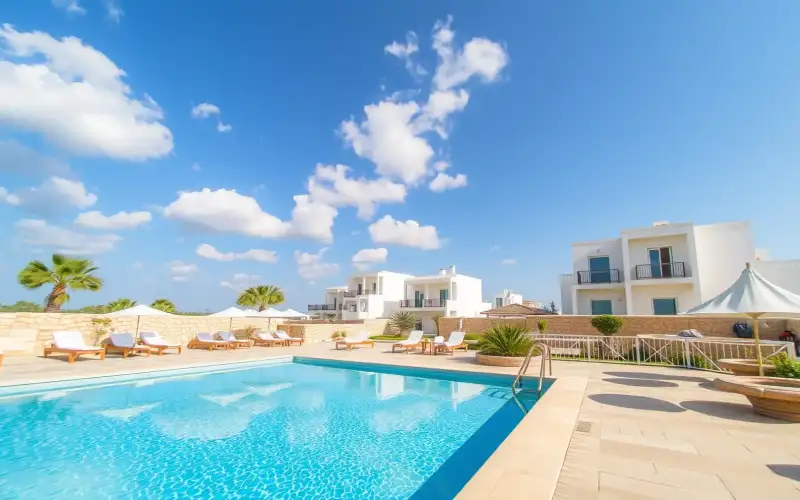
What Actually Works at Beaches: Bring a picnic and spend two hours exploring rather than trying to swim. Pack a ball, a frisbee, or a kite—February wind makes kites genuinely fun. Bring a proper waterproof jacket and wellies for the kids. Rock pool exploring is brilliant and costs nothing. Collecting shells and smooth pebbles keeps kids occupied for longer than you'd expect. If you want a warmer water experience, some hotels have heated pools, though they're not as satisfying as the sea.
Step 3: Explore Almond Blossom in Hill Villages
This is where February becomes genuinely special. The almond blossom transforms the hillsides into something genuinely beautiful, and it's one of the few things that's actually better in February than any other month.
Best Villages for Blossom: Tsada, about 20 kilometers northeast of Kato Paphos, is the most dramatic. The hillsides around the village are covered in white and pink blossom from mid-February onward. Phiti, slightly further, is equally beautiful and even quieter. Lasa and Stroumbi also have significant blossom, though the displays are slightly less concentrated. All of these villages are accessible by car in 30 to 45 minutes from Kato Paphos.
What to Actually Do There: Drive slowly through the villages, stop frequently to photograph or just look, and plan to eat lunch at a village taverna. Most villages have at least one or two tavernas that operate year-round. They're not fancy—expect simple food, local wine, and owners who are genuinely pleased to see visitors in February. Tsada has a small folklore museum that's worth thirty minutes if the weather's poor. Walking trails exist but aren't well-marked; stick to village roads unless you're confident with navigation.
Practical Tips: Go midweek if possible—weekends see slightly more Cypriot families visiting. The blossom peaks around February 20 to 28, so time your trip accordingly. Bring proper shoes; village roads can be muddy after rain. Don't expect restaurants to be fully staffed or have extensive menus—order what's available rather than what's listed.
Step 4: Plan Indoor and Backup Activities
February rain happens. Not constantly, but in concentrated bursts. You need solid backup plans.
Paphos Archaeological Museum: This is genuinely good and takes 90 minutes to two hours properly. It's in Paphos town center, so easily accessible, and the artifacts are impressive enough to hold most kids' attention, especially if you frame it as a treasure hunt. Entry is around £4.50 per adult, £2.25 for children.
Paphos Castle: The Venetian castle in Kato Paphos is small but interesting. You can walk around it in 45 minutes, and kids enjoy climbing the stairs and exploring the rooms. Entry is around £3 per adult. It's less impressive than it sounds, but it fills an afternoon and the views from the top are decent.
Aquarium: The Paphos Aquarium in Kato Paphos is modest but adequate for a rainy afternoon. Most families spend 60 to 90 minutes here. Entry is around £8 per adult, £5 for children. It's not world-class, but it's dry and the kids will see fish.
Indoor Play Centers: Several exist in Paphos town, though they're aimed at younger children (under 8). They're functional rather than exciting, but they work when you're desperate for an hour of contained chaos.
Cooking Classes and Workshops: Several operators offer family-friendly cooking classes using local ingredients. These typically run £25 to £40 per person and take 2 to 3 hours. They're genuinely fun and give you something to do that doesn't depend on weather.
Shopping and Cafes: Paphos town center has decent shops, and the cafes are pleasant for sitting with a coffee while the kids color or read. This sounds boring, but on a rainy February afternoon, it's genuinely restorative.
Step 5: Book Restaurants and Plan Meals
February dining in Paphos requires slightly more planning than summer, but it's also more rewarding because you're eating where locals eat rather than where tour groups go.
Seafront Restaurants in Kato Paphos: These are open year-round and busy enough in February to feel alive. Expect to pay £12 to £18 for a main course. The food is reliable but not exceptional. Go for the atmosphere and the fact that they're consistently open.
Village Tavernas: These are where the genuine food is. A traditional meze spread (multiple small dishes) costs £10 to £15 per person and is far more interesting than seafront restaurants. The owners often cook the food themselves. Call ahead to check they're open—many reduce hours or close certain days in February.
Supermarkets and Picnic Food: Papantoniou supermarket in Paphos town and the Carrefour in Kato Paphos have good quality ready-made food, fresh bread, and local cheese. Picnicking on a beach or in a village is often more enjoyable than sitting in a restaurant with restless kids.
Specific Restaurant Names and Locations: Taverna Kyma in Kato Paphos is reliably open and does good fish. Taverna Sto Kima in Coral Bay is excellent for families and has a beach location. Both operate year-round and don't require bookings unless it's the specific half-term week.
Troubleshooting: When Things Don't Go to Plan
The Sea is Too Rough to Even Wade In: This happens occasionally in February. Skip the beach and spend the day in a village instead. The sea being rough doesn't make the almond blossom any less beautiful.
It Rains for Three Days Straight: Use your indoor backups, spend extra time in cafes, and don't feel guilty about a quieter day. February rain usually passes within 24 to 48 hours. A rainy afternoon in a good cafe with your kids is still a holiday.
Your Kids Get Bored: This is real. February isn't action-packed. If your children genuinely need constant structured activity, February in Paphos might not be ideal. Consider February for couples or families with older kids (10+) who are happy exploring at a slower pace.
You Arrive and Hate the Weather: Paphos in February is genuinely unpredictable. Some years it's mostly sunny; some years it's repeatedly rainy. If you arrive to genuinely poor weather, you have options: head to the Akamas Peninsula for hiking (rain doesn't stop hiking), spend extra time in the archaeological sites, or simply accept that you're having a quieter holiday than planned.
Conclusion: What February Really Offers
February in Paphos isn't a guaranteed sunshine break. It's a quieter, slower alternative to summer tourism, with genuine beauty in the almond blossom and the half-empty beaches, but it requires realistic expectations about weather and swimming. The sea is cold, rain is possible, and some attractions operate reduced hours.
What you get in return is lower prices, genuine peace, and the chance to experience Paphos as something closer to how locals actually live rather than how it's packaged for summer tourists. The almond blossom is genuinely stunning. The villages are genuinely charming when you're not competing with crowds. The beaches are genuinely peaceful.
For families with older kids or couples who want a slower pace, February works brilliantly. For families with very young children who need constant activity or guaranteed swimming, it's a trickier proposition. Plan accordingly, pack layers, book a hire car, and accept that some days will be quieter than others. That's not a bug in February in Paphos—it's rather the point.

Comments (4 comments)