
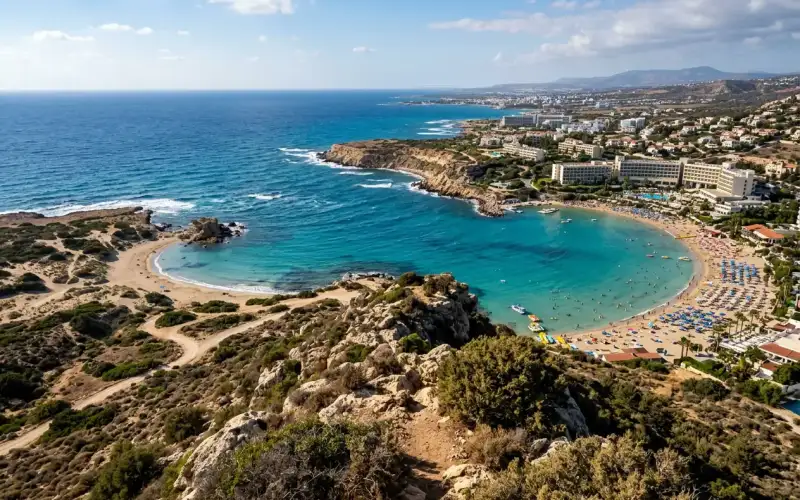
I made a mistake on my first visit to Lara Bay. I arrived at 11 a.m. on a July Saturday in 2015, expecting solitude and found instead a compact beach packed shoulder-to-shoulder with families, sunbeds arranged in military rows, and a queue at the single taverna that stretched back fifteen metres. I sat on my towel, mildly irritated, and watched a elderly couple from Manchester arguing about whether the water was warm enough. They were wrong—it was perfect. But the beach wasn't. Not that day.
Twelve years later, I've learned that Lara Bay demands respect for its rhythms. Arrive at 8:30 a.m., and you'll understand why it's beloved. Arrive at midday, and you'll question every guidebook that recommended it. This is the first lesson in comparing Paphos's three most popular beaches: context matters more than the beaches themselves.
Why These Three Beaches Matter
Lara Bay, Coral Bay, and Faros aren't the only beaches near Paphos—there are coves at Akamas, the long sweep of Geroskipou, the rocky stretches near Chloraka. But these three are the ones British visitors ask about most. They're accessible by car, they have facilities, they've earned their reputation. And they're different enough that choosing between them isn't obvious.
Lara Bay sits roughly 30 kilometres north-east of Paphos town, reached via the B7 road towards Polis. The drive takes about 35-40 minutes from the seafront, longer in summer traffic. Coral Bay lies west, closer to Peyia village, perhaps 25 kilometres from town and roughly 25 minutes by car. Faros is the nearest—barely 8 kilometres north along the coast, a 10-minute drive or even a 45-minute walk if you're feeling ambitious.
Distance matters more than tourists realise. A beach that takes 40 minutes to reach feels like an expedition. A beach 10 minutes away becomes habitual. This shapes who visits, when, and why.
Sand: The Honest Comparison
Let me be direct: Lara Bay has the finest sand. It's pale, almost blonde, soft enough that it doesn't stick aggressively to wet skin, and it shelves gradually into the sea. The beach is backed by dunes and a small nature reserve, which means the sand isn't constantly churned by development or foot traffic from beachfront hotels. In early morning, when the light hits it at an angle, Lara Bay's sand looks almost luminous.
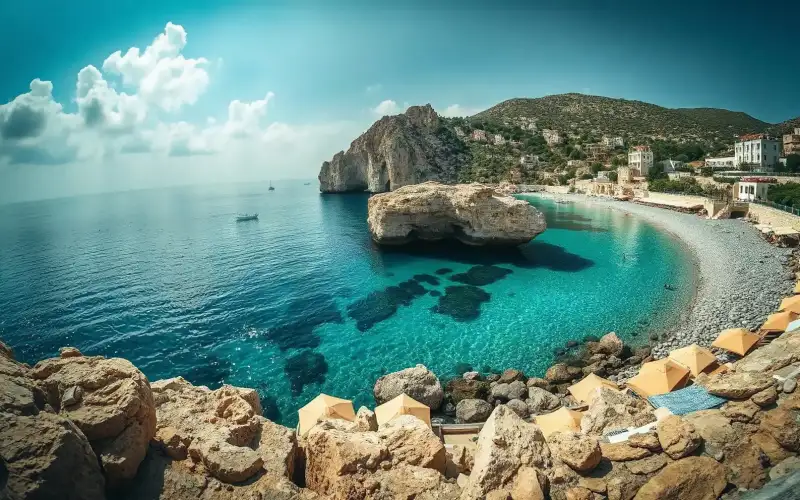
Coral Bay's sand is coarser, more golden, mixed with small shells. It's not inferior—many people prefer it. The texture feels more substantial underfoot, less likely to work its way into every crevice of your beach bag. The beach is smaller than Lara, more intimate, curved like a scallop shell. The sand quality reflects the beach's geology; it's closer to the limestone cliffs that frame it.
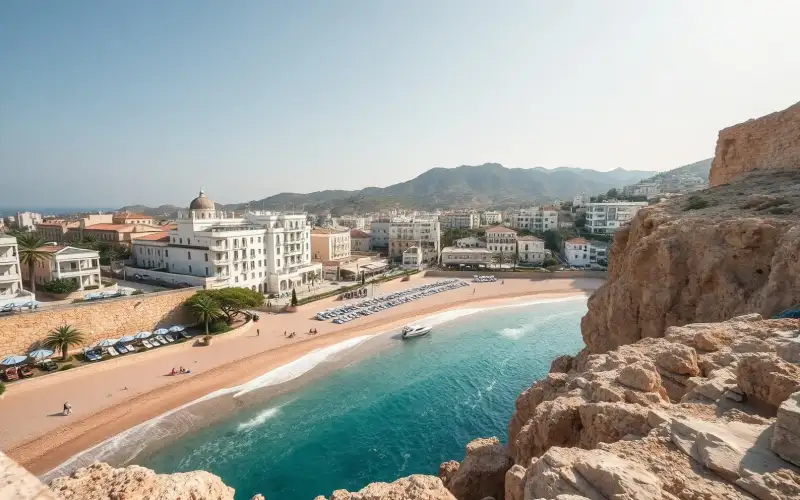
Faros has the most variable sand. The western end, near the taverna and the main parking area, is compact and mixed with pebbles—not unpleasant, but functional rather than luxurious. Walk eastward along the beach, and the sand improves. By the time you've walked ten minutes, you're on decent golden sand with fewer stones. Most visitors never discover this gradient because they settle near the car park.
For families with young children, Lara's soft sand is gentler on feet. For people with mobility issues, Faros's firmer sand near the car park is easier to walk on. For those who want to feel they've found something special, Coral Bay's smaller, more intimate setting wins.
Water Clarity and Temperature
This is where the comparison becomes seasonal. In May and June, all three beaches have water that's clear enough to see the seabed in 2-3 metres of depth. By August, clarity depends less on the beach and more on wind direction, recent rain, and how many people have been in the water that day.
Lara Bay's water is typically the clearest, particularly on the western end near the dunes. The bay faces north-east, which means it catches the morning sun and is protected from afternoon winds. The water temperature in July 2026 (I'm writing in early 2026) should reach 25-26°C, comfortable for swimming without a wetsuit, though the hardy might find May and September more refreshing at 20-21°C.
Coral Bay's water is equally clear, sometimes more so because the smaller bay has less circulation and fewer swimmers disturbing sediment. The water feels slightly cooler because the beach faces west and is shaded by cliffs in the afternoon. This can be an advantage in August—the shade makes the afternoon bearable, and the cooler water is refreshing rather than tepid.
Faros's water varies. The bay is large and open, facing north, which means it's affected by any wind from that direction. On calm days, the water is beautiful. On windy days (and there are more than you'd expect in spring and autumn), the water becomes choppy and cloudier. The temperature is typically the coolest of the three, which appeals to swimmers who find Mediterranean water too warm.
Families: Facilities and Safety
Lara Bay has the most developed infrastructure. There are sunbeds and umbrellas for hire, a decent taverna (Lara Taverna), fresh water showers, and lifeguards during summer months. The beach shelves gradually, making it safe for children learning to swim. The downside: it's crowded, which means less supervision is actually needed because there are so many other people watching.
The taverna serves standard beach fare—souvlaki, Greek salads, fresh fish—at prices that reflect the location. A grilled sea bream costs around €16-18, a Greek salad €8-10, a cold beer €3.50. It's not cheap, but it's not exploitative either. The taverna opens around 10 a.m. and stays open until sunset, with a siesta break from 2-5 p.m. in high summer.
Coral Bay's facilities are more modest. There's a taverna, sunbeds and umbrellas, but fewer of them. The beach is smaller, so it fills up faster. There's no lifeguard, which matters if you're visiting with young children who aren't confident swimmers. The water shelves more steeply than Lara, so supervision is genuinely important. However, the smaller size means the beach feels safer in some ways—you can see the entire beach from any point.
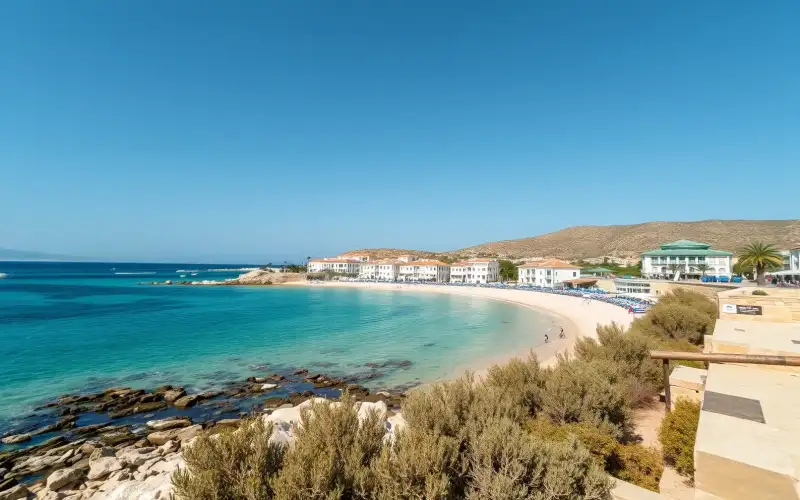
Faros has basic facilities. There's a taverna at the main car park end, sunbeds and umbrellas, fresh water showers, and a lifeguard in summer. The beach is long enough that you can find quieter spots, which appeals to families wanting to escape crowds. The firmer sand near the car park is easier for pushing buggies. The main drawback: the water shelves unevenly, with sudden deeper patches, so children need close supervision.
Water Sports and Active Visitors
This is where the beaches diverge significantly. Lara Bay is protected as a Natura 2000 site because it's a nesting ground for loggerhead sea turtles. This means jet skis are banned, loud music is discouraged, and the beach has a quieter, more contemplative atmosphere than many Mediterranean beaches. It's perfect for swimmers, snorkellers, and people who want to relax. It's not ideal for thrill-seekers.
Coral Bay allows water sports, though the small bay and shallow water limit options. Paddleboarders and kayakers can launch from here, and the water is calm enough for beginners. The cliffs provide a dramatic backdrop for underwater photography. Some visitors hire small boats from nearby Peyia to explore the coastline, though this isn't directly from the beach.
Faros is the most versatile for water sports. The long, open beach and larger bay mean there's space for multiple activities. Windsurfing is possible on blustery days. Snorkellers find decent reefs about 100 metres offshore. A small water sports operator sometimes sets up here in summer, offering paddleboards and kayaks. The beach is less protected, which means more wind, which means more waves, which means more fun for active visitors and less fun for those seeking calm water.
Crowds and Atmosphere
I keep returning to this because it's the factor most guidebooks underestimate. A beach's character changes entirely depending on when you visit.
Lara Bay at 8:30 a.m. in June is peaceful, almost empty. By 10 a.m., families begin arriving. By noon, it's full. By 2 p.m., it's shoulder-to-shoulder. By 5 p.m., people begin leaving, and by 7 p.m., it's quiet again. If you want to experience Lara at its best, arrive early or late. If you arrive at midday expecting solitude, you'll be disappointed.
Coral Bay is smaller, so it reaches capacity faster. A

Comments (4 comments)