
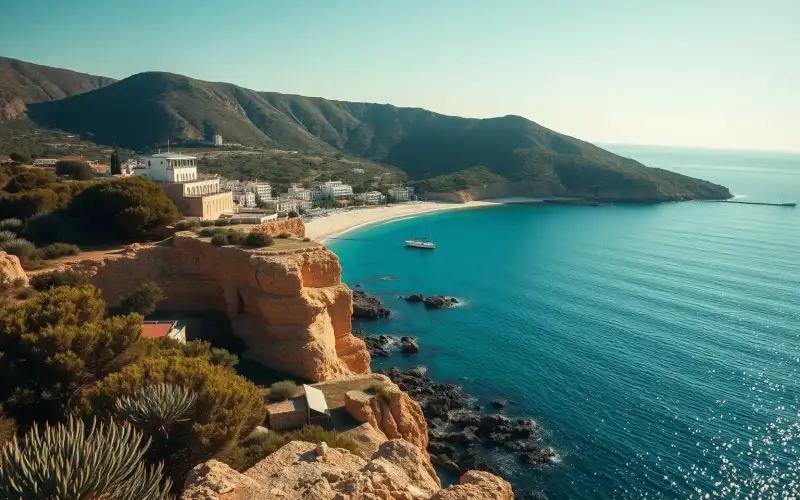
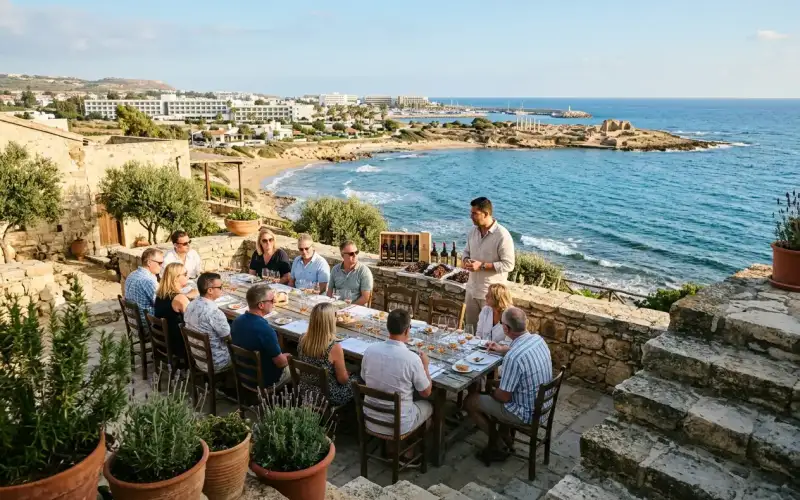
I'll never forget the afternoon I stumbled into a vineyard near Tsada with a local shepherd who insisted his cousin's wine was better than anything in the Troodos. He was right. That's the thing about winery hunting in the Paphos region—the best experiences aren't on the tourist maps. They're in the hands of families who've been pressing grapes for three generations, pouring wine in converted stone barns, and serving lunch on terraces where you can see all the way to the Akamas Peninsula.
The Paphos wine scene has exploded since 2024, but most British visitors still flock to the same three commercial estates. Meanwhile, genuine Commandaria producers—the real deal, with Protected Designation of Origin status—operate quietly in the foothills above the coastal plain, making wines that cost half the price and taste twice as honest. This guide cuts through the noise and takes you to five family-run wineries where you'll actually meet the winemaker, taste wines that rarely leave Cyprus, and experience views that make the journey worthwhile.
Why Commandaria Matters (And Why You Should Taste It Here)
Commandaria wine isn't a gimmick—it's one of the world's oldest continuously produced wines, with roots stretching back to the 12th century. The Crusaders called it "Commandaria" after their military order, and the name stuck. Today, the Protected Designation of Origin covers just 14 villages in the Troodos foothills, roughly 40 kilometres north of Paphos town.
The region's terroir is brutal and beautiful: limestone slopes, afternoon heat that bakes the grapes until they concentrate into syrup, and altitude that keeps nights cool enough to preserve acidity. The result is a wine that's nothing like the sticky supermarket versions you might remember from the 1980s. Modern Commandaria is dry or off-dry, complex, food-friendly, and genuinely collectible. A good bottle costs 12–18 euros at the source. At a Paphos hotel bar, you'll pay three times that.
The five estates below all produce Commandaria or work with producers just outside the PDO zone, meaning you get authentic terroir without the tourist markup. Most are 45–90 minutes' drive from Paphos town, making them perfect half-day or full-day excursions. Bring a picnic or eat on-site; book ahead, especially on Saturdays.
Option A: The Intimate Producers (Under 50,000 Bottles/Year)
Vlasides Winery, Tsada
Vlasides sits on a south-facing slope above Tsada village, about 55 kilometres from Paphos. The estate is tiny—Nicos Vlasides and his son produce roughly 12,000 bottles annually, mostly Commandaria and a handful of experimental whites. The tasting room is a converted stone cellar with a terrace that overlooks the Paphos plain; on clear days, you can see the sea.
The Commandaria here is bone-dry, aged in French oak for 18 months, and tastes of dried apricot, leather, and mineral. It's nothing like the port-style versions you might expect. A tasting (four wines, no reservation needed) costs 8 euros per person and includes a walk through the vineyard. If you call ahead (+357 2645 2148), Nicos will prepare a mezze plate—local cheeses, olives, bread, maybe some grilled halloumi—for an additional 12 euros. The drive from Paphos takes about 90 minutes via Polis and the B7 highway; allow three hours total if you're eating lunch.
Kyperounta Cooperative, Kyperounta
Kyperounta is a working village, not a tourist destination. The cooperative cellar sits at 850 metres, surrounded by terraced vineyards that produce some of Cyprus's most serious Commandaria. This isn't a winery tour in the conventional sense—there's no gift shop, no branded glasses, no Instagram backdrop. What you get is access to the actual production facility, a chance to taste directly from barrel, and conversation with winemakers who've been doing this for 30+ years.
The cooperative produces about 40,000 bottles annually. Their Commandaria is typically aged 24 months and released when it's ready, not on a marketing schedule. A tasting costs 5 euros and includes four wines; if you buy a bottle, the tasting is free. The cellar is open Monday–Friday, 8 a.m. to 4 p.m., and Saturday 10 a.m. to 2 p.m. (closed Sundays). The drive from Paphos is roughly 75 kilometres via the B9 to Troodos; allow 90 minutes each way. This is a working cellar, so dress warmly—even in July, the temperature stays around 15°C underground.
Tsiakkas Winery, Vouni
Tsiakkas is a family operation run by three brothers who inherited the vineyard from their grandfather. The property sits at 700 metres near Vouni village, with views south toward the coast and north toward the Troodos peaks. They produce about 8,000 bottles yearly—Commandaria, Xynisteri (a local white), and a small batch of rosé made from Maratheftiko grapes.
The tasting room is modest but welcoming, and the brothers are genuinely interested in talking wine. A tasting (five wines) costs 10 euros and takes about 45 minutes. If you book ahead (tsiakkaswinery@gmail.com), they'll prepare a simple lunch—grilled lamb, village salad, local bread—for 18 euros per person. The Commandaria here is softer and more approachable than Vlasides, with notes of fig and dark chocolate. The drive from Paphos is roughly 70 kilometres; allow 90 minutes via the B9. This is a good choice if you're travelling with older children, as the village setting and family atmosphere feel less formal than commercial estates.
Practical Notes for Intimate Producers
These three wineries operate on personal time, not corporate schedules. Call or email at least 24 hours ahead, especially if you want food. Payment is usually cash only; bring euros. Opening hours can shift during harvest (late August–September) or if the family is travelling. The roads are narrow and winding; don't rush the drive. All three estates are closed on major holidays (Christmas, Easter, 1 January, 15 August).
Option B: The Established Small-Scale Estates (50,000–150,000 Bottles/Year)
Vouni Panayia Winery, Vouni
Vouni Panayia is the larger cousin of the intimate producers—still family-run, still producing real Commandaria, but with slightly more infrastructure. The estate covers 80 hectares, sits at 750 metres elevation, and produces roughly 120,000 bottles annually. The tasting room is a proper building with a panoramic terrace, a small shop, and a restaurant that serves lunch Tuesday–Sunday.
The Commandaria here is excellent—aged 24 months, complex, food-friendly, and reasonably priced (12–16 euros per bottle). A tasting (six wines) costs 12 euros and takes about 90 minutes; if you eat lunch, the tasting is included. The restaurant serves traditional Cypriot dishes (lamb stew, grilled fish, vegetable mezze) at 14–22 euros per main course. The views from the terrace stretch across the Paphos plain to the sea; on a clear day, you can see all the way to the Akamas cliffs.
Vouni Panayia is open daily, 10 a.m. to 6 p.m., and accepts walk-ins, though booking ahead (vouni@cypruswines.com.cy or +357 2645 2335) ensures a table at the restaurant. The drive from Paphos is about 75 kilometres via the B9; allow 90 minutes. This is a good choice if you're not certain about wine knowledge—the staff are patient and knowledgeable, and the restaurant means you're not dependent on bringing a picnic.
Ktima Geroleme, Vouni
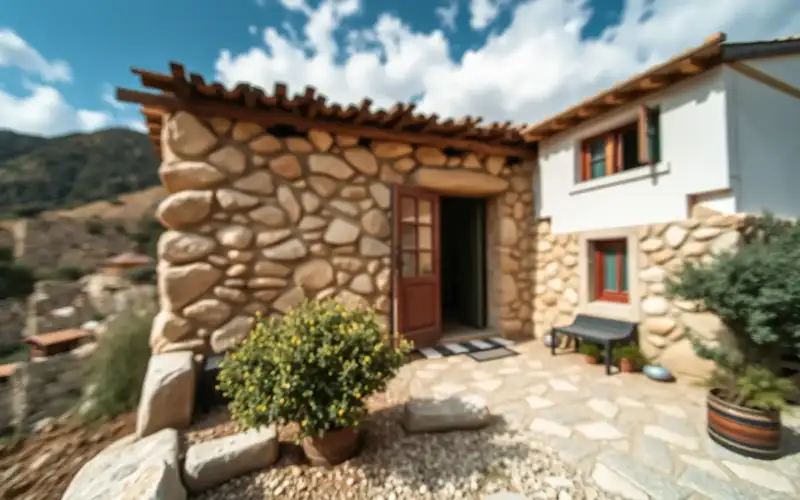
Ktima Geroleme sits just below Vouni Panayia, also at 750 metres, and produces about 60,000 bottles annually. The estate is run by two brothers, Christos and Panayiotis, who took over from their father in 2010 and have since invested in modern equipment while keeping the family style. The tasting room is a converted stone barn with a small terrace overlooking the vineyard.
Their Commandaria is fruit-forward and approachable—aged 20 months, with notes of raisin, plum, and spice. A tasting (four wines) costs 10 euros and includes a walk through the vineyard and cellar. If you book ahead, they'll prepare a simple lunch (grilled cheese, olives, bread, maybe some cured meat) for 15 euros per person. The brothers speak good English and are enthusiastic about explaining their process. Ktima Geroleme is open Monday–Saturday, 9 a.m. to 5 p.m., and Sunday by appointment only. The drive from Paphos is roughly 75 kilometres; allow 90 minutes. This is ideal if you want a balance between intimacy and infrastructure—you're not in a corporate tasting room, but you're not struggling to find a bathroom either.
Practical Notes for Established Small-Scale Estates
These two wineries have regular hours and accept reservations through email or phone. Both offer food on-site, which simplifies planning. Payment is typically cash for small purchases (bottles under 50 euros), but they accept cards for larger orders or restaurant meals. Vouni Panayia is more polished and has a larger shop; Ktima Geroleme is more intimate. Both are closed on major holidays and typically close for two weeks around Christmas.
Quick Comparison Table
| Winery | Location | Annual Production | Tasting Cost | Food Available | Drive from Paphos | Best For |
|---|---|---|---|---|---|---|
| Vlasides | Tsada | 12,000 bottles | 8 euros | Mezze (call ahead) | 90 mins | Intimate, personal |
| Kyperounta Cooperative | Kyperounta | 40,000 bottles | 5 euros | No | 90 mins | Authentic, working cellar |
| Tsiakkas | Vouni | 8,000 bottles | 10 euros | Lunch (book ahead) | 90 mins | Family-friendly, views |
| Vouni Panayia | Vouni | 120,000 bottles | 12 euros | Restaurant (daily) | 90 mins | Polished, reliable |
| Ktima Geroleme | Vouni | 60,000 bottles | 10 euros | Lunch (book ahead) | 90 mins | Balanced, scenic |
How to Plan Your Winery Day
Most of these estates cluster around Vouni and Tsada, so you can visit two or three in a single day. Start early—leave Paphos by 8 a.m. if you want to reach your first winery by 10 a.m. and have time for a proper tasting and lunch. The roads are scenic but slow; don't plan more than two tastings plus lunch unless you're comfortable driving mountain roads in the dark.
Rent a car for the day (budget 35–50 euros from a Paphos rental agency) or hire a driver through your hotel. Many hotels offer wine tour packages, but they typically cost 80–120 euros per person and take you to commercial estates. You'll save money and have a better experience doing this independently. Fill up with petrol in Paphos or Polis before you leave; there's a small petrol station in Troodos town, but prices are higher.
Bring cash (euros) for tastings and small purchases. Most wineries don't have card readers. If you're planning to buy wine, bring a cool bag or ask the winery to store bottles until you leave; the mountain roads get hot, and you don't want to arrive back in Paphos with cooked wine. Dress in layers—mornings are cool at 750 metres, but afternoons warm up quickly.
Insider Recommendations
If you're visiting in spring (April–May) or autumn (September–October), the weather is perfect and the views are clearest. Summer (July–August) is hot and crowded; many locals avoid the mountains then. Winter (November–February) is rainy but quiet, and the wine tastes somehow better when it's cold outside.
Buy wine at the source, not in Paphos town. A bottle that costs 18 euros at a winery costs 35–40 euros at a hotel bar. If you find a wine you love, ask the winemaker if they ship to the UK; several do, though postage adds 15–20 euros per bottle.
Don't skip the Kyperounta Cooperative just because it's not glamorous. Some of the best Commandaria I've tasted came from that working cellar. The winemakers there aren't interested in tourism—they're interested in wine. That's worth the drive.
Comments (4 comments)