
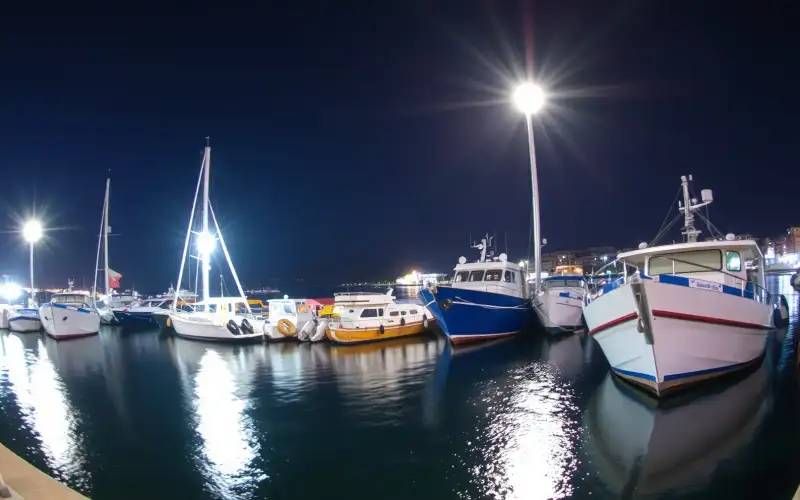
The first time I watched Paphos Castle illuminate at dusk, a Greek waiter leaned against the bar beside me and said, 'Now the tourists pay double.' He wasn't being cynical—merely observational. The transformation of Paphos Harbour between sunset and midnight is real enough to see on the water's surface, but the economic transformation is equally dramatic. Understanding the difference between genuine value and theatrical markup is the difference between a memorable evening and an expensive regret.
In 2026, Paphos Harbour has settled into a pattern. The castle gets its nightly flood lighting at 19:30 precisely. The restaurants have refined their pricing strategies. The bars have learned which clientele will tolerate which markups. For visitors arriving with realistic expectations and a working knowledge of local economics, the harbour remains one of Cyprus's most compelling evening destinations. For those who wander in hoping for Limassol's energy or Ayia Napa's value, disappointment follows quickly.
The Castle Illumination: Free Theatre with Paid Seating
Paphos Castle's evening lighting is not a ticketed attraction. The illumination begins at 19:30 and continues until 23:00, and you can view it from anywhere along the harbour waterfront without paying a single cent. This matters more than you might think, because it means your evening needn't be expensive simply to experience what makes Paphos Harbour visually distinctive.
The castle itself—a 13th-century Venetian fortress, heavily restored during Ottoman occupation—becomes something approaching theatrical under the amber and white lights. The crenellations sharpen. The stone takes on a honey tone rather than the chalky grey of daylight. The effect is deliberate, professional, and costs the municipality precisely nothing to provide to you.
Where the expense begins is in the seating. The restaurants and bars with direct castle-facing tables charge a premium for the privilege. A table at one of the seafront tavernas on the eastern side of the harbour—those with unobstructed castle views—will cost you approximately 15–25% more than identical food and drink at an establishment fifty metres inland, away from the water. A simple grilled fish that costs €18–22 at a backstreet taverna in Kato Paphos will cost €24–28 at the harbour front.
The boat trips offer another angle on the castle. Several operators run evening cruises departing between 19:00 and 20:30, typically lasting 90 minutes and costing €35–45 per person. These trips include the castle from the water (a genuinely different perspective), a swim stop if weather permits, and usually a drink. Whether this justifies the cost depends on your tolerance for group tourism and your interest in the sea itself. If you're primarily interested in the castle lighting, you can achieve that effect for free from the harbour promenade. If you enjoy being on the water and want a structured social experience, the boat trip has merit.
Seafood Restaurants: Decoding the Menu and the Bill
Paphos Harbour has approximately eighteen restaurants with waterfront seating, of which perhaps twelve serve seafood as their primary offering. The variation in pricing is not random, and it's not purely a function of quality. It reflects location, target market, and operational philosophy.
The harbour's eastern flank—from the castle entrance north toward the old fishing boats—contains the most expensive establishments. These are the restaurants that appear in international travel guides, that have English-language websites with professional photography, and that expect to serve primarily tourists. A grilled sea bream at these venues (Psaropoulo, Demitri's, Pelican) will run €28–35. A lobster pasta will exceed €32. A bottle of local white wine will be €18–24. These are not unreasonable prices for waterfront dining in a Mediterranean resort, but they reflect the premium you're paying for the location and the assumed tourist clientele.
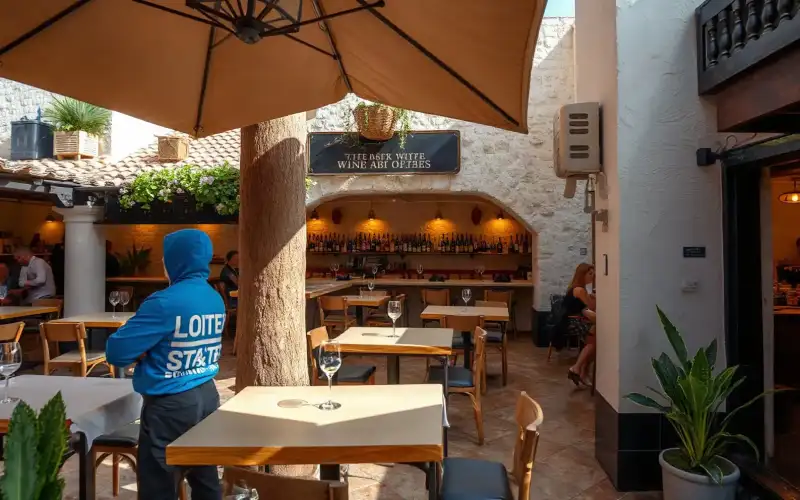
The western and southern sections of the harbour—particularly around the working fishing boats and toward the municipal market—contain restaurants that serve a mixed clientele of locals and tourists. These establishments charge noticeably less while often serving superior fish. A grilled sea bream here costs €18–24. Lobster pasta runs €24–28. Local wine is €12–16 per bottle. The difference in ambiance is real: you'll hear Greek spoken more frequently, the tables may be plastic rather than linen, and the view of the castle is partial rather than perfect. But the food is often fresher, because these restaurants buy directly from the boats that dock metres away.
A practical breakdown of typical 2026 pricing for two people, including wine:
| Restaurant Type | Fish Course (per person) | Wine (bottle) | Two-Course Total (2 people) |
|---|---|---|---|
| Eastern Harbour (Tourist-facing) | €28–35 | €18–24 | €120–160 |
| Western Harbour (Mixed clientele) | €18–24 | €12–16 | €70–95 |
| Backstreet Taverna (Kato Paphos) | €14–18 | €10–13 | €50–65 |
The question is not which is 'best'—that's a matter of personal priority. The question is which represents value for your specific evening. If you want the castle view, the harbour ambiance, and don't mind paying for it, the eastern restaurants deliver exactly that. If you want fresh seafood and lower prices, the western side offers it. If you're primarily concerned with cost and don't care about the waterfront setting, a ten-minute walk inland to Kato Paphos proper reduces your bill by 30–40%.
One specific recommendation: the small clutch of restaurants near the old fishing boats on the harbour's southwestern corner operate on a different model. They display their catch daily, price it by weight, and grill it simply. Expect to pay €16–22 for a generous portion of whatever arrived that morning. The presentation is minimal, but the quality is often superior to restaurants charging double. These venues have Greek names, minimal English signage, and attract few tourists simply because they're not positioned on the main promenade.
Bars and Drinking: Where Value Still Exists
The bar scene at Paphos Harbour divides into three distinct categories, each with its own pricing logic and clientele.
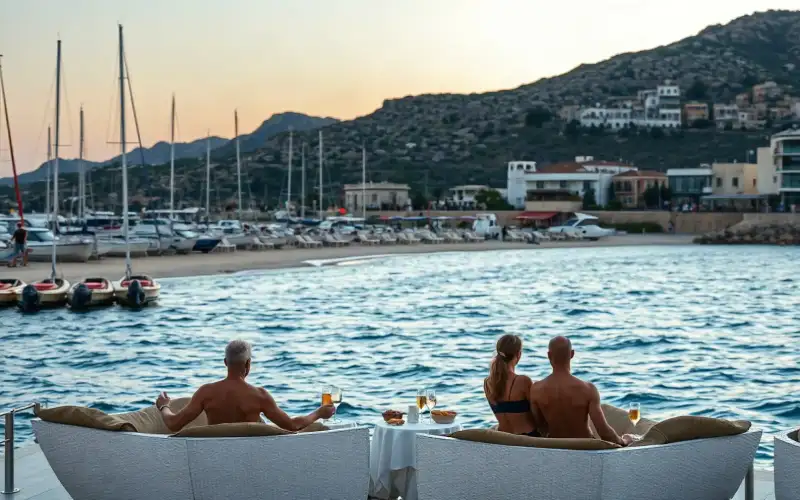
The upmarket cocktail bars (primarily clustered near the castle entrance and the main promenade) charge €9–13 for a cocktail, €6–8 for beer, and €5–7 for a glass of wine. These venues have trained bartenders, proper glassware, and often live music or DJs from 21:00 onward. They're designed for visitors who view an evening drink as entertainment and don't object to London-adjacent pricing. The cocktails are competent rather than exceptional—this is a resort town, not Soho—but the experience is polished.
The mid-range bars (scattered throughout the harbour, particularly on the western side) charge €5–7 for a cocktail, €4–5 for beer, and €4–5 for wine. These are often family-run establishments that have been operating for 10–15 years and serve a mixed crowd of locals, expats, and tourists. The bartenders are friendly rather than formally trained, the music is usually recorded, and the atmosphere is genuinely social. A couple can spend an evening here—three or four drinks each—for €35–50 total.
The working-class bars (primarily found away from the immediate waterfront, in the streets behind the restaurants) charge €3–4 for beer, €3–4 for a coffee, and rarely serve cocktails. These are not tourist destinations; they're where locals drink. The welcome to visitors is genuine but unselfconscious. You're not being served a 'local experience'—you're simply in a place where locals happen to be.
A practical consideration: the bars immediately adjacent to restaurants often impose a 15–20% markup compared to standalone bars fifty metres away. The convenience of not moving is expensive. Similarly, bars with live music charge slightly more (€1–2 per drink) than those without. This is not hidden; it's standard practice.
Which bars offer genuine value? The answer depends on what you're seeking. If you want a professional cocktail experience with a view, expect to pay €10–12 and accept that you're in a tourist venue. If you want a social evening with friendly service and reasonable prices, the mid-range bars deliver it. If you want to see how locals actually spend an evening, the working-class bars fifty metres inland are where that happens, though the English-language menu situation may be non-existent.
Timing and Strategy: Avoiding the Peak-Hour Premium
Paphos Harbour operates on a predictable schedule, and understanding it allows you to navigate pricing more effectively. The peak dining period runs from 19:30 to 21:30. During these hours, restaurants are full, service is slower, and prices are at their highest. Tables with castle views are in maximum demand. If you dine during this window, expect to wait 20–40 minutes for a table and to be served quickly once seated (the restaurant needs to turn tables).
Arriving before 19:00 offers several advantages. Restaurants are less crowded, service is more attentive, and some establishments offer early-bird pricing (typically 10–15% discounts on main courses). The castle lighting hasn't begun yet, but it will during your meal. You'll experience the full transformation from daylight to illumination while eating, which many find more satisfying than arriving after the lights are already on.
Arriving after 21:30 presents a different calculation. The crowd has thinned, the castle lighting is fully established, and some restaurants lower their prices slightly to fill tables. Service is slower because staff are winding down. If you're primarily interested in drinks and the waterfront atmosphere rather than a full meal, this timing works well. The bars are still busy, the music is usually at its peak, and the harbour has a genuinely social energy.
The day of the week matters significantly. Friday and Saturday nights see 30–50% higher prices and substantially more tourists. Wednesday through Thursday evenings are markedly quieter, prices are lower, and the clientele is more mixed (locals, expats, tourists in roughly equal measure). If you're flexible on timing, mid-week harbour evenings offer better value and a more authentic atmosphere.
Practical Spending: A Night Out in Numbers
What does an actual evening cost? Here are three realistic scenarios for two people in 2026:
Budget Evening (€60–80): Arrive at 18:45. Drink a beer or wine at a mid-range bar while watching the castle light up (€8–10). Walk to a backstreet taverna in Kato Paphos and eat grilled fish with salad and local wine (€45–50). Return to the harbour for a final drink at a working-class bar (€5–8). Total: €58–68.
Mid-Range Evening (€120–150): Arrive at 19:15. Secure a table at a western-harbour restaurant with partial castle views. Order grilled fish, salad, and a bottle of local wine (€65–80). Finish with a coffee and a digestif at an upmarket bar (€15–20). Take a post-dinner walk and perhaps a final drink at a mid-range bar (€8–10). Total: €88–110.
Premium Evening (€200–280): Arrive at 20:00. Dine at an eastern-harbour restaurant with full castle views. Order fish, appetisers, wine, and dessert (€120–160). Spend the remainder of the evening at upmarket bars with cocktails and perhaps live music (€80–120). Total: €200–280.
None of these scenarios involves being ripped off. All represent reasonable value for what's being consumed. The difference is in priority allocation: what matters more to you—the view, the food quality, the social experience, or the cost?
Navigating Tourist Traps Without Missing the Point
Paphos Harbour does have genuine tourist traps, and knowing them prevents expensive mistakes. The restaurants immediately flanking the castle entrance charge 25–35% premiums purely for proximity. The bars that advertise 'happy hour' with a two-drink minimum are targeting people who haven't yet arrived. The fish restaurants that don't display prices are operating a negotiation model that favours the house. The 'traditional fishing village experience' establishments that opened in 2022 are marketing nostalgia to people who've never experienced the actual thing.
The trap isn't the harbour itself—it's the assumption that you must dine and drink at the most prominent, most photographed, most expensive venues to have a legitimate experience. You don't. The castle is free. The waterfront is free. The experience of sitting by the water with a drink is free. What you're paying for is food, alcohol, and the convenience of proximity. Being clear about that distinction changes how you evaluate value.
One genuine advantage of Paphos Harbour over other Cypriot resort areas is that the alternatives are genuinely nearby. If a restaurant disappoints, you're not stranded; you're a five-minute walk from dozens of other options. If a bar's prices offend you, you can move. This flexibility is worth using. The best evenings at Paphos Harbour involve some exploration, some willingness to move, and a realistic sense of what constitutes value for your specific preferences.
The castle will light up at 19:30 whether you're at a €35 fish dinner or a €5 beer. The water will be dark and glittering either way. The social energy of the harbour will be present regardless. The choice of how much to spend is genuinely yours, and there's no price point at which the evening becomes more 'authentic' or more worthwhile. That distinction is personal, not financial.
Comments (4 comments)