
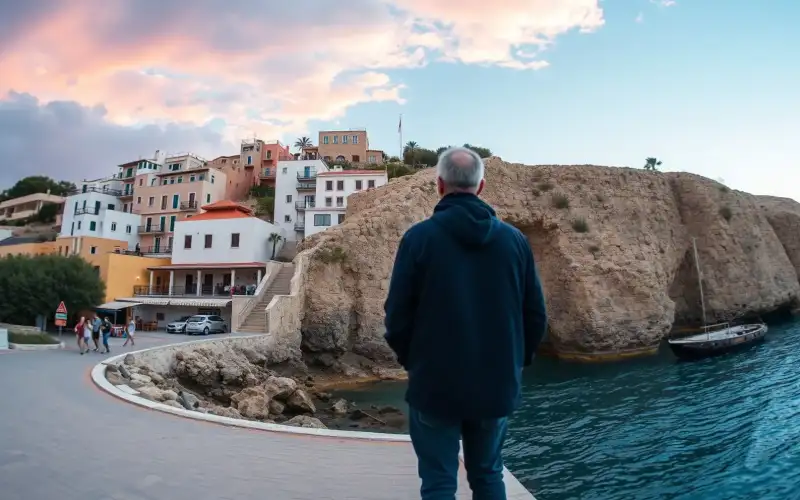
Last October, I watched my wife wrestle our youngest into a car at Paphos airport at 11 pm, both of us staring at a blank fortnight stretching ahead. We'd booked two weeks—our first proper break in three years—and honestly, we'd done zero planning beyond flights and a hotel. By day three, we'd cracked it. By day ten, we'd found our rhythm. By day fourteen, we didn't want to leave. This guide is what I wish we'd had in our inbox before touching down.
Two weeks in Paphos isn't just enough time to see the main sights. It's enough time to actually live here for a bit. You can swim without rushing, sit in a taverna for two hours without guilt, drive up to Troodos when it's cool, and still have time to catch the sunset from Coral Bay twice. The trick is pacing—not cramming everything into the first seven days and spending the second week exhausted in your room.
Days 1–3: Settle In, Explore Old Town and Kato Paphos
Arrive, collect your rental car (book in advance; prices in 2026 range €25–45 per day for a compact), and drive to your hotel. If you're staying in Kato Paphos—the seafront area near the harbour—you're perfectly positioned. If you're in Ktima (the upper town), you're closer to restaurants and the market, but further from the beach.
Day one: rest. Seriously. Have lunch at the harbour, walk the waterfront, grab dinner somewhere casual. Jet lag is real, and you'll thank yourself for not trying to climb a mountain or visit three museums on arrival.
Day two: explore Kato Paphos on foot. Start at the Paphos Harbour around 8 am—cooler, fewer crowds, the light is golden. Walk the promenade north towards the Tombs of the Kings (entry €4.50, opens 8:30 am). These aren't tombs of actual royalty, but Hellenistic and Roman-era elite carved into limestone cliffs. The walk takes 45 minutes each way; bring water. Return for lunch at one of the harbour tavernas. Sirocco does solid fish and chips without pretension. Afternoon: visit the Paphos Archaeological Museum (€4.50, closed Mondays). It's small, manageable, and the mosaics from the Roman villas are genuinely stunning—you'll see them again when you visit the actual villa sites later.
Day three: Ktima (upper Paphos). Drive uphill or catch a local bus (€1.50). Walk the market area, grab a souvlaki lunch, visit the Byzantine Museum (€3, closed Sundays) if icons interest you. The real draw here is the slower pace and local atmosphere. Dinner at Taverna tou Sarpantzis (family-run, excellent meze, €12–18 per head). By evening, you'll have your bearings and feel less like a tourist.
Days 4–5: UNESCO Sites—Mosaics, Frescoes and Ancient Villas
These two days are for Paphos's heavyweight cultural attractions. Both require a car and morning starts (sites open 8:30 am, close by 5 pm in summer).
Day four: Paphos Archaeological Park and Saranta Kolones Castle. The park (€9) contains four Roman villa sites with extraordinary mosaics—House of Dionysus, House of Aion, House of the Four Seasons, House of Orpheus. Allow three hours minimum. The mosaics depict hunting scenes, mythological stories, and daily life from the 2nd–3rd centuries AD. They're fragile, so paths are roped off, but the detail is astonishing. Nearby, Saranta Kolones (forty columns)—a 13th-century Venetian castle ruin—offers views back over the park and coast. Entry to the castle is included with the park ticket. Lunch: grab a souvlaki from a local stand or return to the harbour. Afternoon: rest at the beach or pool. Evening: dinner at Demitris Taverna (fish, grilled vegetables, €15–20).
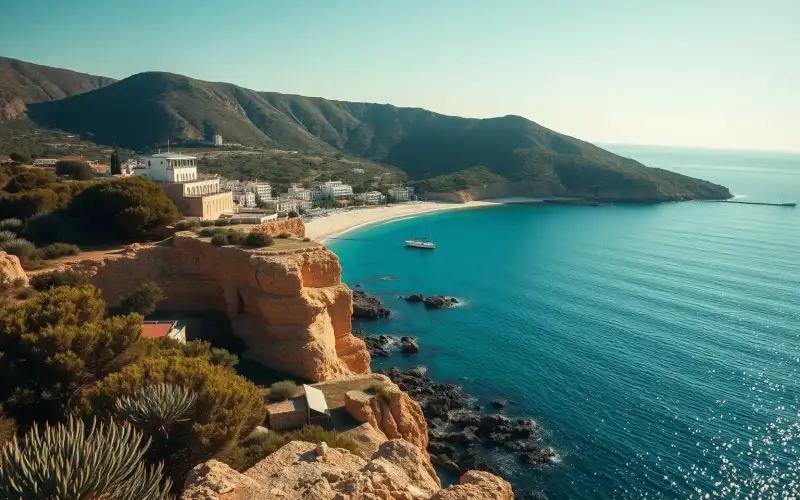
Day five: Kato Pafos Church (free, always open) and Chrysopolitissa Basilica (free). These are small, atmospheric sites in Kato Paphos. The church sits right on the water; the basilica is a 6th-century ruin with a massive stone column in the centre. Neither takes more than 30 minutes. Combine this with a morning swim and a leisurely lunch. Afternoon: drive to Coral Bay (15 minutes north). It's touristy, yes, but the sand is soft, the water is warm, and if you arrive after 3 pm, the crowds thin out. Return for an early dinner and rest—you've had a culture-heavy few days.
Days 6–7: Akamas Peninsula Adventure and Lara Beach
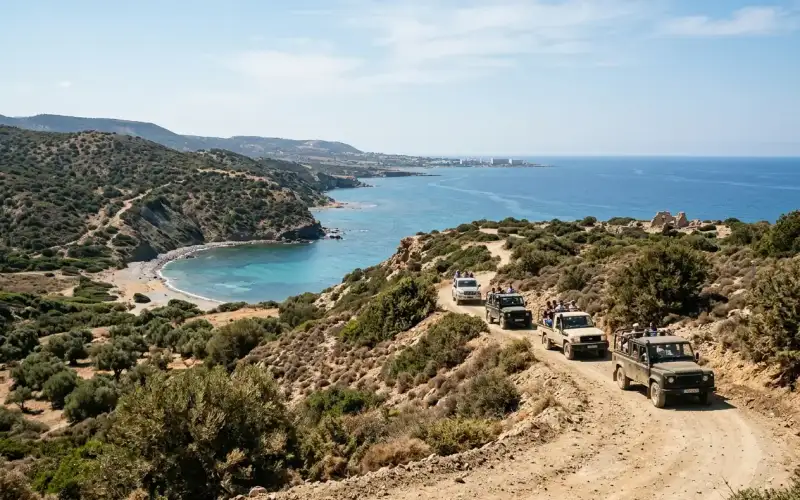
The Akamas is Paphos's wild card—rugged, beautiful, and genuinely remote. You need a robust car (not essential, but high-clearance helps) and a morning start.
Day six: Akamas loop. Drive north from Paphos towards Polis (30 minutes), then follow signs to Akamas. The road becomes rough; expect 45 minutes of slow driving. Stop at Lara Beach (free entry), where loggerhead turtles nest May–August. The beach is pristine, almost empty, and the sand is hot enough to burn your feet. Swim, rest, bring a picnic. The drive back takes the same time, so plan to leave by 4 pm to avoid driving in darkness. Dinner: return to Polis and eat at Latchi Taverna (seafood, harbour views, €16–22). Sleep in Polis or drive back to Paphos (your choice—Polis is quieter but smaller).
Day seven: Blue Lagoon cruise or Akamas hiking. If you're not keen on rough driving, book a Blue Lagoon boat trip (€35–50 per person, includes lunch). Boats depart from Latchi Harbour at 10 am. You'll swim in turquoise water, visit sea caves, and eat grilled fish on a boat. Alternatively, hike the Akamas coastal trail (2–3 hours, moderate difficulty). Either way, this day is about water and relaxation. Return to Paphos by evening.
Days 8–10: Troodos Mountains, Villages and Local Life
Troodos is Cyprus's mountain range, cool and forested. It's a complete change of scene and essential for escaping heat and crowds.
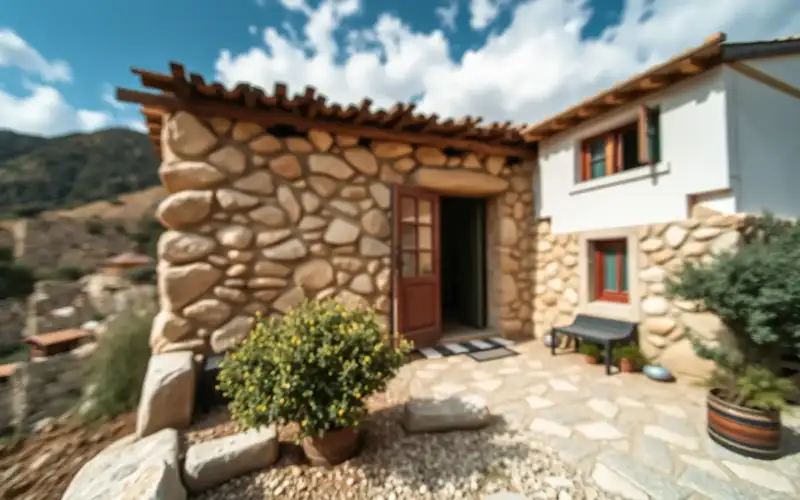
Day eight: drive to Troodos (45 minutes from Paphos). Stop in Panagia (a wine-producing village) and taste local wines at a small winery—many are family-run and charge nothing for a tasting. Continue to Omodos, a picturesque village with cobblestone streets, a working monastery, and a wine museum. Lunch at a village taverna (€10–15). The monastery charges €2 entry and has a small museum of religious artifacts. Dinner: stay overnight in Omodos or return to Paphos. If you stay, Kafeneio tou Yianni serves traditional meze and local wine.
Day nine: explore more villages. Kakopetria (famous for trout restaurants), Pedoulas (stunning views), or Platres (highest village, cooler still). Drive slowly, stop often, eat lunch wherever looks good. These villages have minimal tourism infrastructure—that's the point. You'll see locals, gardens, real life. Afternoon: return to a base (Paphos or stay another night in Troodos). The mountain air is therapeutic, especially if you've spent days in coastal heat.
Day ten: return to Paphos via a different route. Stop at Tillyria (northwest Troodos, wild and beautiful) or visit Chrysorrogiatissa Monastery (€2, famous for brandy production). Arrive back in Paphos by evening. You've now seen Cyprus beyond the tourist trail.
Days 11–13: Beach Days, Rest and Day Trips
By day eleven, you've earned a gentler pace. Mix beach time, swimming, and optional day trips.
Day eleven: Paphos beaches. Spend the morning at Agia Marina (sandy, quieter than Coral Bay) or Varkala Beach (south of Paphos, pebbled, fewer tourists). Lunch and afternoon swim. Evening: dinner at a beachfront taverna. Fish Taverna O Fanos (Agia Marina area) grills fish daily and serves it with grilled vegetables and local wine.
Day twelve: optional day trip to Limassol or Famagusta (both 1.5–2 hours away). If you skip the trip, spend another beach day or visit Paphos Zoo (€12, 10 am–5 pm, not world-class but kids enjoy it). Alternatively, book a sunset catamaran cruise from Paphos Harbour (€40–60, includes drinks and snacks, departs 5 pm). These trips are touristy but genuinely pleasant—you'll swim, see the coast from the water, and watch the sun set over the Mediterranean.
Day thirteen: rest day. Sleep in, swim, read, eat lunch slowly. Visit a local market (Ktima Market, open mornings) and buy fresh fruit, cheese, and bread for a picnic dinner at your hotel. This is the day you'll remember as
Comments (5 comments)