
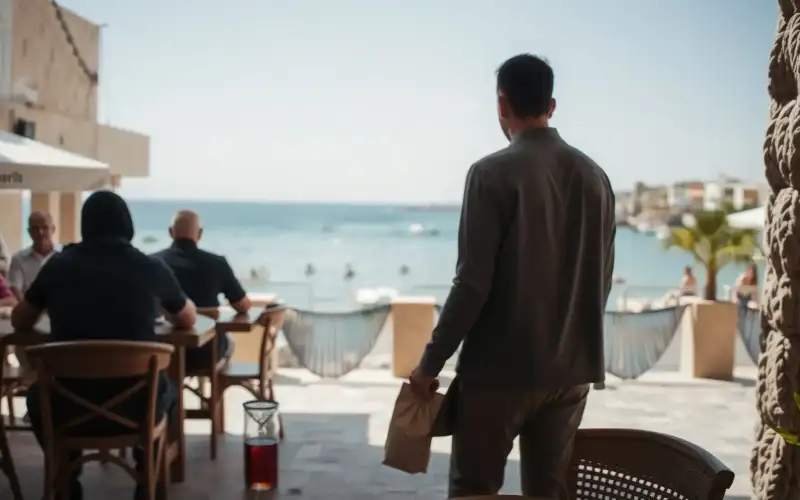
I was sitting on a plastic chair outside Yiorgos's taverna in Tala, nursing an ouzo at 11am on a Tuesday, when a coach full of tourists pulled up across the street. Within minutes they'd dispersed to the seafront restaurants with laminated menus and picture boards. Yiorgos didn't even look up. He was too busy preparing the day's kleftiko for the lunch crowd of local builders and retired couples who'd been coming here for twenty years. That's the divide you'll find in Paphos dining in 2026: the food that exists for visitors, and the food that exists for people who actually live here.
Eating well in Paphos isn't difficult, but it requires knowing where to look and understanding how the system works. Unlike London or even Limassol, Paphos hasn't been entirely flattened by the tourist machine. You can still find extraordinary meals for €12-15 if you know the rules.
What Is Meze Culture and How Does It Actually Work?
Meze isn't just food—it's a social system. If you've never experienced it, the first time can feel chaotic: a dozen small plates arrive, nobody's quite sure who ordered what, everyone's sharing, and somehow it costs less than a single main course back home.
Traditional meze is built on the assumption that eating is communal. You order perhaps 8-12 small dishes for a table of four. Each plate costs €2-5. Nobody gets their own plate; everything sits in the middle. You tear off bread, grab what you want, argue gently about who gets the last saganaki. This is how Cypriots eat, especially at lunch.
The structure matters. A proper meze sequence goes: cold dishes first (tzatziki, melitzanosalata, halloumi saganaki), then warm mezze (sheftalia, keftedes, loukoumades), then maybe grilled fish or meat. You don't order a main course. You order meze. The waiter will keep bringing plates until you tell him to stop or you physically cannot eat another bite.
Pricing is straightforward once you understand it. A meze plate with halloumi or saganaki costs €3.50-4.50. Grilled fish or meat dishes run €4-6 per plate. A bottle of house wine is €6-8. For four people eating properly, budget €50-70 including drinks and service. This is why locals eat out constantly; it's cheaper than cooking at home when you factor in time and gas.
The critical difference between a real taverna and a tourist trap is portion size and plate turnover. A real taverna brings small portions because you'll order many plates. A trap brings large portions because they're betting you'll order once and leave. Watch what the locals order. If the table next to you has twelve plates and four people, you're in the right place.
Where to Find Authentic Village Tavernas (And How to Avoid Tourist Traps)
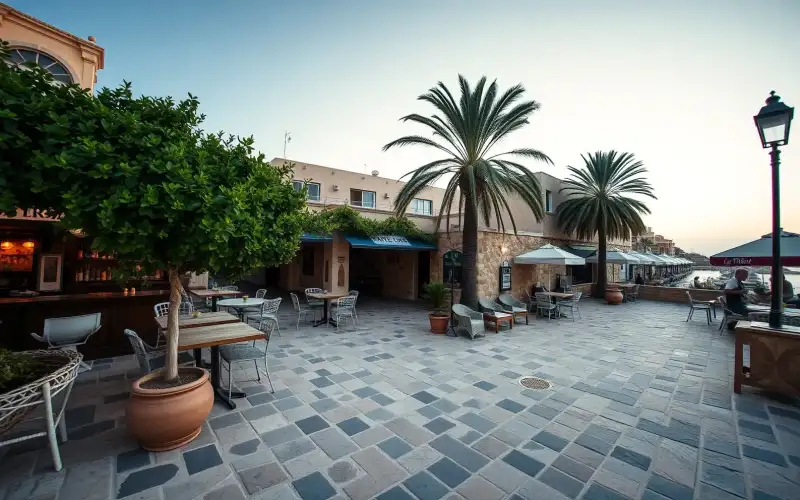
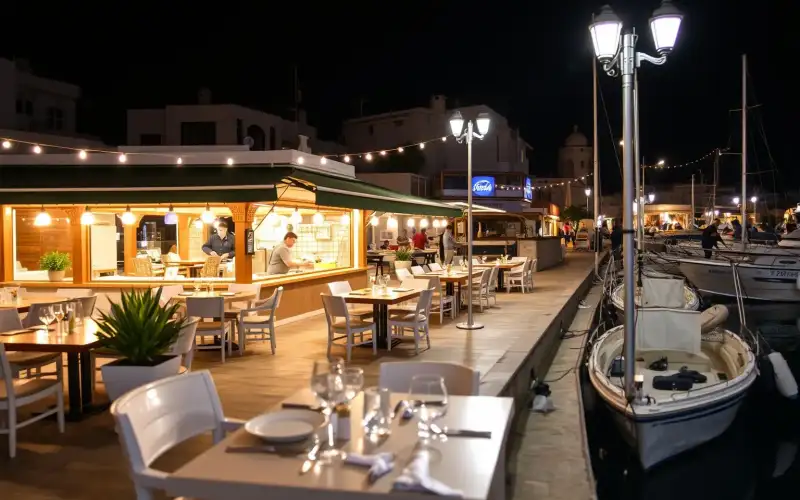
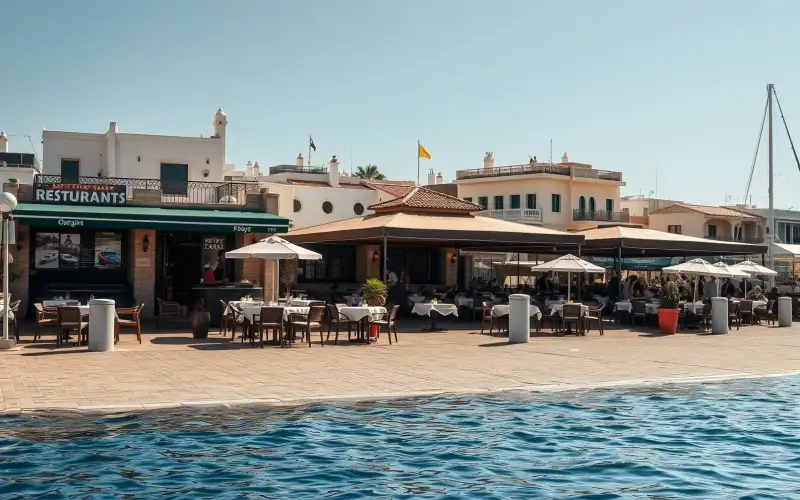
The seafront restaurants in Paphos Town and Kato Paphos are not where locals eat. They're not bad—some are genuinely good—but they're optimised for one-time visitors who want to see the sunset and take photos. Prices run 40-60% higher than inland.
Real tavernas cluster in three zones: the villages inland (Tala, Tsada, Stroumbi, Mesogi), the back streets of Paphos Town away from the harbour, and scattered along the Akamas roads. These places have been open 15-30 years. The owner's mother is probably cooking. The wine comes in a ceramic jug. Nobody has a website.
Tala, about 10km northeast of Paphos Town, is where I'd send you first. It's close enough for a taxi (€10-12 from the harbour), far enough that tourists haven't colonised it. Three good tavernas sit on the main square: Yiorgos (the one I mentioned), Mikri Taverna, and To Kaliteri. All three serve meze-style lunch daily except Sunday, when they close. Go between 12:30-14:00 or you'll be eating alone. Expect €12-18 per person for a proper meze meal.
The trick to spotting a trap: laminated menus with pictures, English-only signage, prices listed in pounds sterling, staff hovering outside trying to usher you in. Legitimate tavernas have menus written by hand, often in Greek only. If you can't read it, ask the waiter. They'll describe dishes. This is normal.
Stroumbi, further north toward the Akamas, has Taverna Stroumbi (family-run, lunch only) and several smaller places. The drive takes 20-25 minutes from town, but the food is genuinely cheaper and you'll eat with Cypriot families. Sheftalia here costs €3. Grilled fish is €5-6 per plate.
In Paphos Town itself, avoid the entire harbour strip at lunchtime. Instead, walk into the backstreets behind the market (Agora). You'll find smaller tavernas that locals actually use. Taverna Skoufias on Evagoras Street is one example—no frills, proper meze, €14-16 per person.
Understanding the Menu: Dishes You Must Try
Cyprus cuisine is simpler than Greek but more interesting than it first appears. A few dishes appear everywhere and are worth understanding.
Halloumi saganaki is fried cheese. It's on every meze menu. It arrives hot and squeaky, often with lemon. It costs €3-4 and is essential. Don't skip it. The good versions have a slight salty crust.
Sheftalia are small sausages made from pork, wrapped in caul fat, grilled. They're Cyprus's signature meat dish. You'll eat them at every proper meal. They're €3-4 for a plate of 3-4. The meat should be loose and herby, not dense.
Kleftiko is slow-roasted lamb wrapped in paper or foil. It takes 3+ hours to cook. Order it only if you're staying for a long lunch or dinner—it's not rushed. It's usually €5-7 per plate and feeds two people. The meat falls off bone. This is what Yiorgos was making that Tuesday morning.
Souvlaki is grilled meat on a skewer. Chicken or pork. It's everywhere, including tourist menus, but good souvlaki at a real taverna is different from mediocre souvlaki at a trap. The meat should be tender and have char marks from actual fire, not a flat-top grill.
Melitzanosalata is aubergine dip, served cold. It's on every meze table. It's simple—roasted aubergine, lemon, olive oil, sometimes garlic. The quality varies wildly. Good versions taste smoky and bright. Bad versions taste like baby food.
Kolokithokeftedes are courgette fritters. They're vegetarian, they're cheap (€2.50-3), and they're addictive. Crispy outside, soft inside, served with tzatziki.
Fish in Paphos varies by season. In summer, you'll see fresh sea bream (tsipoura), sea bass (lavraki), and smaller fish like sardines and anchovies. Grilled fish is usually charged by weight: €18-25 per kilo. A whole small fish (400-500g) costs €6-8 and feeds one person. Winter brings fewer options but often better prices.
How to Order Like a Local (And Not Look Like a Tourist)
The meze system confuses visitors because it has no obvious starting point. You don't sit down and order one dish. Here's the actual process:
- Sit down. A waiter brings bread and water (free, always).
- Ask the waiter what's good today. Tell him how many people you are. Say
Comments (4 comments)