
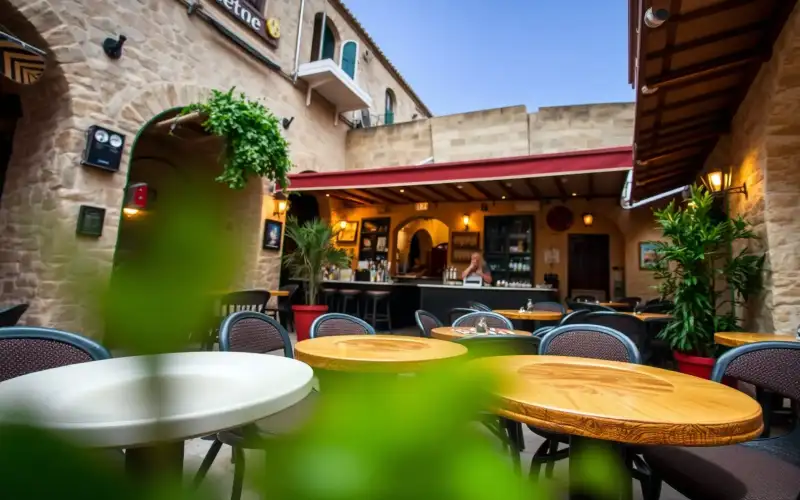
Three minutes into my last visit to Ta Bastounia, a waiter arrived with seven small plates I hadn't ordered. Saganaki, beetroot dip, grilled halloumi, whitebait, a small salad, bread, and something I couldn't identify. "Start with these," he said, placing them down with the tone of a man who'd done this ten thousand times. That's the thing about authentic Cypriot tavernas in Paphos Old Town—they don't wait for you to decide. They feed you. They know what you need before you do.
The past three years have been unkind to traditional meze houses across the island. Tourism shifted, rents climbed, and younger Cypriots migrated toward kebab joints and souvlaki stands. Yet in the narrow streets of Ktima and around the harbour in Kato Paphos, ten tavernas have held the line. These aren't museums or tourist traps. They're where locals still take their families on Friday nights, where fishermen eat breakfast, where you'll find grandmothers at corner tables nursing coffee at 11 a.m. This is the list of places worth your time in 2026.
What Makes a Taverna "Authentic"?
Before we rank them, a word on what separates genuine meze culture from the processed version served in resort areas. An authentic taverna sources fish from the morning boats. The halloumi comes from a specific producer—usually the owner's brother-in-law or a village dairy three miles inland. The bread is delivered fresh, not frozen. Prices don't fluctuate based on season or cruise ship arrivals. And the meze selection changes daily based on what arrived that morning.
You'll rarely find a menu with photographs. If there is a menu, it's often handwritten or laminated so thoroughly the text has faded to a blur. The waiters know what's good today and what isn't. They'll tell you if the fish is tired. They'll suggest you skip the saganaki because the cheese batch wasn't fresh. This bluntness—this refusal to sell you something mediocre—is the hallmark of a real taverna.
Prices in 2026 range from €18 to €35 per person for a full meze spread, including wine. That's roughly €3-€5 per individual dish. Most tavernas are open seven days a week, lunch from noon to 3 p.m. and dinner from 6 p.m. to 11 p.m., though hours drift seasonally.
1. Ta Bastounia — The Benchmark
Located on Aristotelous Street in Ktima, Ta Bastounia has operated since 1987. The owner, Yiorgos, still works the dining room most evenings. The room itself is spare—white walls, wooden chairs, a bar with three stools where locals drink retsina at lunchtime. There's a narrow kitchen visible from the dining area, and you can watch the cooks work.
The meze here runs to fourteen or fifteen items on a good day. Expect grilled octopus, saganaki, whitebait, a beetroot and walnut dip, grilled prawns when available (€28 for two people), halloumi with lemon, a simple tomato salad, and bread. The wine list consists of three options: house red, house white, and house rosé. All are local and all are €8 per bottle.
The octopus is the dish to judge them by. At Ta Bastounia, it arrives tender, charred on the edges, dressed only with lemon and olive oil. No fancy reduction. No micro-herbs. Just the quality of the raw ingredient and the restraint of the cook. A two-person meze with wine costs €32. Open daily, noon to 3 p.m., 6 p.m. to 11 p.m. Closed Sundays in winter.
2. Mandra — The Harbour View
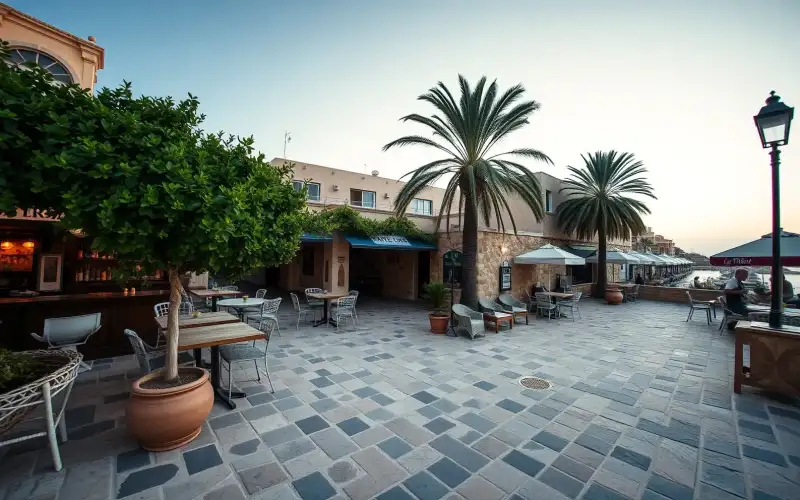
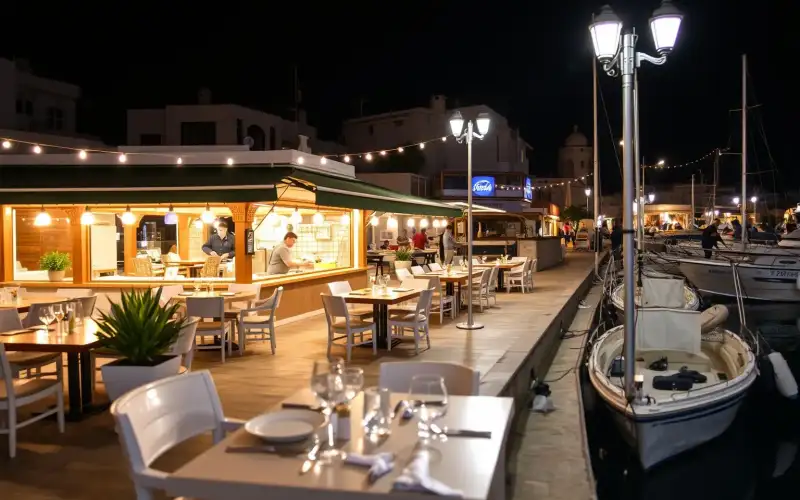
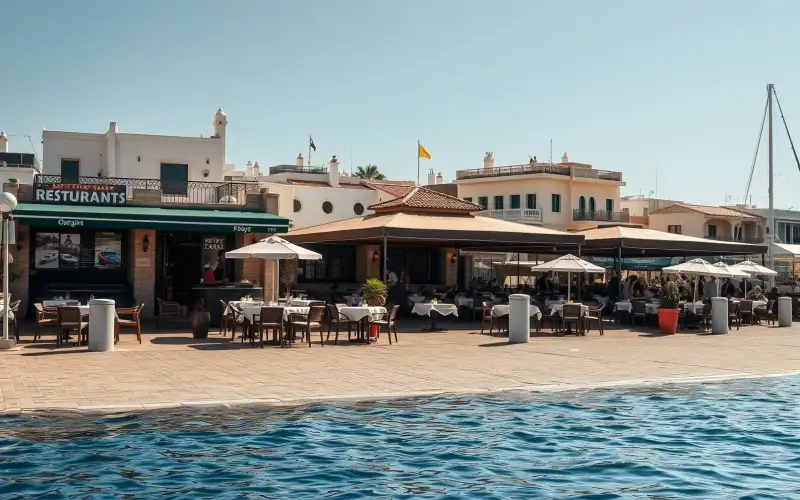
Walk down to the waterfront in Kato Paphos and you'll find Mandra occupying a corner position near the archaeological museum. The dining terrace overlooks the old harbour. In summer, this is where you want to eat at dusk—the light turns the water pale gold, fishing boats return, and the air cools finally after a brutal day.
Mandra's strength is seafood. They have a relationship with three fishing boats that dock nearby. On most days, the fish meze includes whatever those boats brought in. The owner, a woman named Maria, walks the terrace at 6 p.m. and announces what's available. "Fresh grouper, smaller portion, €22. Red snapper, very good today. Sardines—we have many sardines." She doesn't oversell. She describes, and you decide.
The non-fish meze here is solid but secondary. The halloumi is grilled with honey—a touch that sounds modern but is actually traditional in the Akamas villages. The saganaki is fried in olive oil rather than the standard butter, giving it a deeper flavour. The meatball (keftedes) is spiced with cinnamon and cumin, a recipe that traces back to Ottoman occupation. Two people, full meze, €34 with wine. Open daily, 11 a.m. to 11 p.m. This is the most touristy of the ten, but Maria keeps the standards high.
3. To Perivoli — The Vegetable Garden
Tucked on a side street off Grivas Dhigeni Avenue, To Perivoli means "the garden," and the owner maintains actual vegetable beds visible from the dining room. The space is tiny—four tables inside, three on the pavement. The walls are covered with photographs of the owner's family spanning four generations.
What sets To Perivoli apart is the vegetable meze. While other tavernas treat vegetables as filler between fish and meat, here they're the point. The grilled courgette arrives with garlic and lemon. The tomato salad includes a dressing of olive oil and oregano that tastes like it was made that morning. The aubergine dip (melitzanosalata) is silky and understated. The beetroot dip includes pomegranate molasses—a Lebanese influence that shouldn't work in a Cypriot taverna but does.
The owner, Christos, is in his sixties and has run this place for thirty-two years. He speaks English poorly but communicates through food. If you arrive and he's just harvested something from the garden, you'll eat it. Non-negotiable. Two people, meze heavy on vegetables with one or two fish dishes, €24. Open Monday to Saturday, noon to 3 p.m., 6 p.m. to 10:30 p.m. Closed Sundays and all of August.
4. Psaropoula — The Fish Specialist
On Evagoras Avenue near the old market in Ktima, Psaropoula operates from a space that used to be a fishmonger. The aesthetic reflects this history—marble counters, tile floors, the smell of fish and lemon in the air. There's no pretence here. You walk in and you're in a working restaurant, not a staged experience.
Psaropoula sources exclusively from the Paphos fish market, which operates every morning except Sundays. The owner, Nicos, buys at 6:30 a.m. and cooks what he's selected by noon. This means the meze changes constantly. On a Monday in March 2026, you might get grouper, dentex, and red mullet. On a Wednesday in June, it could be swordfish, sea bass, and John Dory.
The cooking method is almost always grilled or fried. You won't find fish in a tomato sauce or smothered in herbs. The point is the fish itself. The seasoning is salt, lemon, olive oil. The skill is in timing—knowing when the fish has reached the exact moment between raw and overcooked. The non-fish meze is minimal: saganaki, a salad, bread. Two people, full fish meze with wine, €36. Open Monday to Saturday, noon to 3 p.m., 6 p.m. to 10 p.m. Closed Sundays.
5. Taverna Tsambika — The Village Feel
Drive four kilometres inland toward Tsambika village and you'll find this taverna at the village entrance. It's run by two brothers, Lambros and Stavros, whose parents opened it in 1994. The dining room overlooks olive groves. In winter, there's a fireplace. In summer, you sit under a pergola covered in jasmine.
The meze here draws on village traditions. The halloumi is sourced from a dairy in the adjacent village of Kathikas. The meat dishes include goat keftedes and lamb sheftalia (a minced meat wrapped in intestine—it sounds worse than it tastes). The vegetables are from the brothers' own garden. There's a dish called horta—boiled greens with lemon—that appears on the table automatically. It's not on the menu. It's just what you eat.
The wine selection is exceptional for a village taverna. They stock wines from the Akamas region and from Limassol. The house wine comes from a producer in Vouni whose vineyard sits at 1,200 metres elevation. Two people, full meze, €28. The drive is worth it if you have transport. Open daily, noon to 3 p.m., 6 p.m. to 10:30 p.m.
6. O Fournos — The Wood Oven
The name means "the oven," and indeed there's a wood-fired oven visible from every table in this Ktima restaurant. It's located on Evagoras Avenue, a few doors from Psaropoula. The owner, Giorgos, trained as a baker before becoming a taverna operator. This background shapes everything here.
The bread arrives warm from the oven—thick, with a dark crust and an open crumb. It's not a side dish. It's a main event. The saganaki is fried and served hot, sometimes with honey, sometimes plain. The halloumi is grilled over charcoal and served on the warm bread. The meatballs are baked in the wood oven, which gives them a subtle smokiness.
The non-bread items are competent but less memorable. The fish is adequate. The vegetable meze is standard. But if you come here for the bread and the oven-cooked items, you'll leave satisfied. The atmosphere is warm and crowded—locals and tourists mixed, a constant low roar of conversation. Two people, meze focused on bread and cheese dishes, €22. Open daily, noon to 3 p.m., 6 p.m. to 11 p.m.
7. Taverna Agora — The Market Connection
Agora sits directly adjacent to the old market in Ktima. The owner buys vegetables from the vendors next door—literally from the stall beside her restaurant. This creates an unusual dynamic: the meze changes not just daily but sometimes during service. A dish might not be available at lunch but appears at dinner.
The vegetable quality is exceptional because the produce is picked that morning and cooked that afternoon. The tomatoes taste like tomatoes. The peppers are sweet and meaty. The cucumber salad includes a vinaigrette made with aged red wine vinegar that costs more than the cucumber itself. The owner, Elena, is uncompromising about ingredient quality. If a vegetable isn't perfect, she won't use it.
The fish and meat meze is secondary here, though the lamb keftedes are worth ordering. The wine list is small: three house options plus a few bottled wines from local producers. Two people, meze heavy on vegetables, €26. Open Monday to Saturday, noon to 3 p.m., 6 p.m. to 10:30 p.m. Closed Sundays. Closed all of August.
8. Taverna Armazti — The Fisherman's Place
Armazti is located on the waterfront in Kato Paphos, a few minutes walk from Mandra. It's smaller and less polished. The tables are plastic. The chairs don't match. The menu is handwritten and updated daily. This is where fishermen eat lunch before returning to the boats.
The seafood here is exceptional. Because the owner is a fisherman himself, he has access to catches that don't make it to the market. Occasionally you'll find fish here that you won't see anywhere else in Paphos. The cooking is minimal—grilled or fried, salt and lemon. The meze runs to ten or twelve items, almost all seafood. The non-fish offerings are token: a salad, some bread, perhaps a cheese dish.
The atmosphere is utilitarian. There's no view to speak of, no aesthetic consideration. It's purely functional—a place to eat excellent fish quickly and cheaply. Two people, full fish meze with wine, €32. Open daily, 11 a.m. to 3 p.m., 6 p.m. to 10 p.m. No reservations. First come, first served.
9. To Kima — The Small Wave
Kima is on a quiet street in Ktima, one block south of Aristotelous. The owner, Panicos, is in his fifties and took over from his father in 2008. The space is modest—eight tables, a small bar, a kitchen you can see into. The walls are painted pale blue and covered with local art.
The meze here is balanced. It's not dominated by fish or vegetables or meat. Instead, Panicos offers a genuine cross-section of Cypriot food culture. You might get grilled octopus, saganaki, halloumi, a meatball, a fish dish, a vegetable preparation, and three or four other items. The portions are generous. The quality is consistent.
The wine selection includes several interesting local producers. Panicos is passionate about wine and will talk about it if you show interest. The house wine is decent but the bottled options are superior. Two people, full balanced meze with wine, €30. Open Tuesday to Sunday, noon to 3 p.m., 6 p.m. to 11 p.m. Closed Mondays.
10. Taverna Sophia — The Neighbourhood Place
Sophia is on a residential street in Ktima, away from the main tourist routes. You'll find it because locals know it, not because you stumbled upon it. The owner, Sophia herself, is in her seventies and has run this place for forty-five years. Her daughter works the dining room. Her son is in the kitchen.
This is the most conservative meze in our list. The dishes are traditional in the strictest sense. The halloumi is plain grilled. The saganaki is fried simply. The fish is grilled with lemon. The meatballs are seasoned with salt and oregano only. There are no modern touches, no fusion influences, no attempts at sophistication. It's Cyprus as it was cooked in 1975.
This approach divides people. Some find it boring. Others find it liberating—food stripped of everything except its essential nature. The wine is cheap local stuff. The service is brusque but kind. The clientele is almost entirely Cypriot. Two people, full traditional meze with wine, €24. Open daily, noon to 3 p.m., 6 p.m. to 10:30 p.m. Closed Mondays in winter.
What to Order at Any Taverna
If you're new to meze culture, a few dishes appear on every list. The saganaki is fried cheese—usually halloumi—cut thick and fried until the outside crisps and the inside melts. It arrives hot and is eaten immediately. The grilled halloumi is the same cheese but grilled over charcoal, often served with lemon or honey. The difference in texture and flavour is significant.
The fish is usually grilled whole. The waiter will show it to you before cooking. Ask for it "well done"—in Cyprus this means cooked through, not charred. The octopus is grilled and sliced. The squid is either grilled or fried. The whitebait (marida) is fried whole and eaten bones and all. The larger fish like grouper and sea bass are filleted at the table.
The meat dishes include keftedes (meatballs), sheftalia (minced meat wrapped in intestine), and souvlaki (grilled meat on a skewer). The salatsa is a simple tomato and cucumber salad dressed with olive oil. The horta is boiled greens. The dips—salatsa melitzanas (aubergine), tzatziki (yogurt and cucumber), melitzanosalata (roasted aubergine)—arrive with bread.
Pricing and Practical Information
Meze is designed for sharing. The standard serving for two people costs €24 to €36, depending on the taverna and what you order. A solo diner can eat for €15 to €20 by ordering a smaller portion of meze or a single fish dish with sides. Groups of four or more should order proportionally—allow €25 to €30 per person.
Most tavernas accept cash only. A few have added card readers in the past two years, but it's not reliable. Bring euros. Tipping is not expected but appreciated—5 to 10 per cent is customary. Reservations are unnecessary except on Friday and Saturday evenings in summer, when it's wise to call ahead.
The best time to visit is May through September for seafood, when the boats are active and the catch is varied. October and November are excellent if you prefer quieter crowds. December through March is quiet and some tavernas reduce hours or close for renovation. June, July, and August are busiest. Lunch is typically noon to 3 p.m. Dinner is 6 p.m. to 11 p.m., though some close at 10 p.m.
Why These Tavernas Matter
These ten places aren't just restaurants. They're repositories of Cypriot food culture. The recipes, the sourcing practices, the cooking techniques—they've been refined over decades. When Yiorgos at Ta Bastounia grills an octopus, he's doing it the way his mentor taught him in 1985. When Elena at Agora buys vegetables from the market stall next door, she's participating in a supply chain that's existed for fifty years.
Tourism has transformed Paphos. The resort areas, the chain restaurants, the international hotels—they've created jobs and brought prosperity. But they've also threatened the local food culture. A generation of young Cypriots is learning to cook from cooking shows, not from their grandmothers. The old recipes are disappearing. The old sourcing relationships are breaking apart.
These ten tavernas are where that culture still lives. When you eat at Ta Bastounia, you're not just consuming a meal. You're participating in a tradition. You're supporting a family business. You're encouraging the continuation of practices that matter to the identity of this place. That's why they're worth your time and your euros.
Comments (3 comments)