
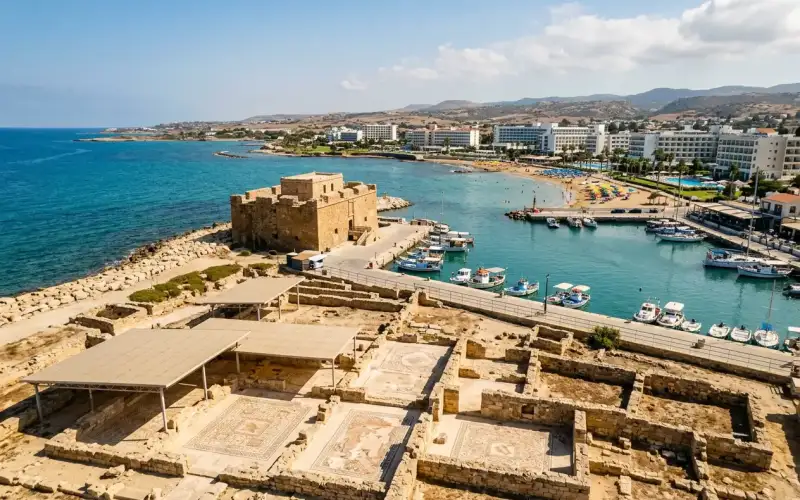
Last summer, I watched a grandfather from Cheshire help his eight-year-old granddaughter wade into the shallows at Coral Bay while her parents unpacked the beach bag. The water was so calm it barely rippled. That moment—three generations in one place, no rushing, no complicated logistics—is exactly what makes Paphos work for multi-generational family holidays. It's not Disneyland. It's better. It's real Cyprus, manageable distances, warm water, and enough history to keep everyone talking at dinner.
What Makes Paphos Perfect for Family Groups?
Paphos isn't overcrowded like some Mediterranean resorts, which matters when you're coordinating school holidays with pensioners' schedules. The town spreads across two main areas—Paphos Old Harbour and Paphos New Town—separated by about 6 kilometres. Both have family appeal, though they feel different. The Old Harbour is touristy, walkable, full of restaurants with sea views. The New Town is quieter, more residential, closer to supermarkets and pharmacies. For families with grandparents in tow, that matters.
The distances are forgiving. The Zoo is 12 kilometres from the Old Harbour—a fifteen-minute drive or a twenty-minute bus ride on route 614. Aphrodite Waterpark is 10 kilometres away. The nearest calm-water beaches are between 5 and 20 kilometres depending which one you choose. No child will spend six hours in a car. No grandparent will collapse from exhaustion getting there.
Timing matters. June and September are ideal—water warm enough for swimming (24–26°C), but not the August furnace when temperatures hit 35°C and nobody wants to move. Easter holidays work too, though water is cooler (18–19°C). July and August are busy, hot, and more expensive. October is still warm enough for swimming and far quieter.
Where to Stay: Family Hotels That Actually Work
Not all hotels are equal when you're managing multiple rooms, different mobility levels, and varying bedtimes. Look for places with interconnecting rooms, good pools, restaurants on-site (saves evening logistics), and proximity to beaches or town centres.
Top Family-Friendly Hotels
Annabelle Hotel (Paphos Old Harbour, 4-star) sits right on the waterfront with direct beach access. Rooms are spacious, some sleep four comfortably. The pool overlooks the sea. Breakfast buffet is generous—important when feeding teenagers and hungry grandparents. Summer rates run €120–180 per night depending on room type and booking window. They offer family suites with separate living areas, which gives privacy to both generations.
Almyra Hotel (also Old Harbour, 5-star) is pricier (€180–280 per night) but worth it if budget allows. Direct beach access, excellent kids' club (ages 4–12, runs 10am–1pm and 5pm–8pm daily), and genuinely helpful staff. The beach here is sheltered and shallow for 30 metres—perfect for nervous swimmers and grandparents who want to supervise from waist-deep water.
Paphos Amathus Beach Hotel (4-star, New Town area, €100–160 per night) is quieter than Old Harbour properties. Large pool, good buffet, family rooms with interconnecting doors. Less walking required to get anywhere. Useful if you have elderly relatives who tire easily.
Azia Resort & Spa (5-star, €150–220 per night) has extensive grounds, multiple pools, and a kids' club. The beach is pebbly but calm. Good for families wanting space to spread out without feeling cramped.
Budget option: Kissos Hotel (3-star, €60–90 per night) near the Old Harbour. Basic but clean, family rooms available, walking distance to restaurants and the sea. Not fancy, but honest value if you're spending daylight hours out exploring.
Booking Tips
Book directly with hotels or through family-focused travel agents—they often negotiate interconnecting rooms and can arrange late check-out. Request ground-floor rooms if anyone has mobility issues. Many hotels offer free Wi-Fi, essential for keeping teenagers entertained on quiet evenings. Ask about kids' menus at restaurants; most can accommodate allergies and preferences if warned in advance.
The Zoo: A Half-Day Essential
Paphos Zoo sits on the outskirts of town (Vasileos Georgiou II Avenue) and is genuinely worth a morning or afternoon. It's not a sprawling safari park—more a well-maintained collection of 500+ animals in landscaped grounds. Flamingos, lions, zebras, monkeys, peacocks wander semi-freely. It takes 2–3 hours to see everything without rushing.
Open 9am–6pm daily (April–October; shorter hours November–March). Admission is €18 for adults, €12 for children (3–12 years), free under 3. A family of four pays roughly €60. Bring water—there's a café selling drinks and snacks, but prices are inflated (€4 for a small bottle of water, €8 for a sandwich). Pack your own picnic instead.
The walk is manageable but involves some hills. Grandparents with knee issues should wear proper shoes. Pushchairs are allowed but the terrain gets bumpy. The best time to visit is early morning (9–11am) when animals are active and it's cooler. By 2pm, most animals are resting in shade and the sun is intense.
"We took three generations in June and the kids were transfixed by the big cats. My mother sat on benches in the shaded areas while we walked the circuit. Everyone left happy and nobody was exhausted." — Family visitor from Manchester, 2025
Aphrodite Waterpark: Thrills Without Chaos
Located 10 kilometres south of Paphos (near Kouklia village), Aphrodite Waterpark is the obvious choice for a water-based day. It's not enormous compared to Turkish or mainland European parks, but that's actually an advantage—you won't lose a child in crowds, and queues for slides are manageable.
The park has fourteen slides ranging from gentle (perfect for younger kids or nervous swimmers) to steep (for teenagers seeking adrenaline). There's a lazy river, a wave pool, and dedicated shallow areas for toddlers. Open 10am–6pm May–October. Admission is €22 adults, €16 children (3–11 years), free under 3. Family packages (two adults, two children) cost €68.
Bring own sunscreen and reapply frequently—the Cypriot sun is relentless. The park sells sunscreen at €12 a bottle, so bring your own. Pack a small rucksack with water, snacks, and a change of clothes. Lockers cost €3 (returnable deposit). The food inside is typical waterpark pricing—€7–12 for a meal—so eat before arriving or bring packed food (allowed in designated picnic areas).
Timing: go mid-week (Tuesday–Thursday) if possible. Weekends and school holidays are rammed with local families. Mid-June through August is busiest. September is quieter and water is still warm (26°C).
Beaches for Families: Where to Swim Safely
Paphos has excellent beaches, but not all suit families with young swimmers or elderly relatives. Here are the best:
Coral Bay
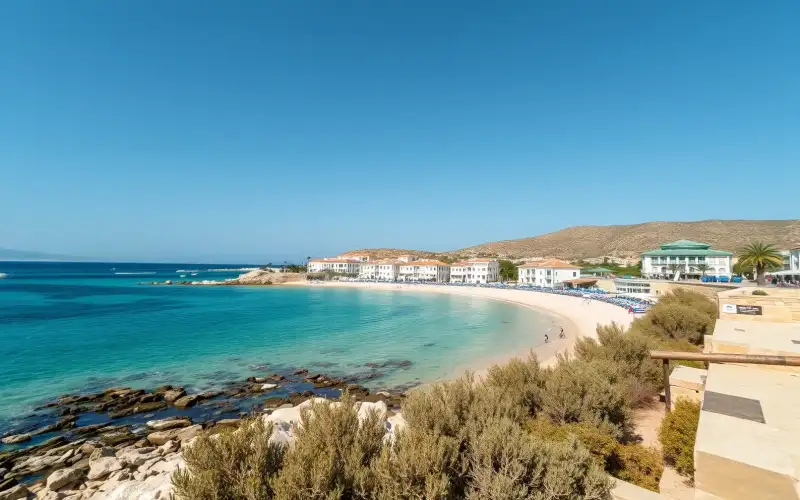
Shallow water extends 40–50 metres from shore. Fine golden sand, backed by a promenade with restaurants and tavernas. Lifeguards on duty June–September. Parking is free but fills quickly in summer; arrive by 9:30am. About 10 kilometres north of Old Harbour. Perfect for nervous swimmers and grandparents who want to wade comfortably. Busy but well-managed. The water is genuinely warm and clear.
Lara Beach
Famous for sea turtles (loggerhead and green turtles nest here May–August), Lara is 30 kilometres north of Paphos. It's wilder, quieter, and feels less developed than Coral Bay. The sand is coarser, the water slightly cooler, but the shallows are still gentle. Excellent for older children who enjoy spotting wildlife. No facilities, so bring everything. The drive is scenic—worth the journey for a change of pace.
Tombs of the Kings Beach
Small, sheltered cove just below the famous Hellenistic tombs. Calm water, minimal crowds, interesting archaeological context (you can visit the tombs immediately after swimming). About 8 kilometres north of Old Harbour. Limited facilities—one small café—so pack supplies. Excellent for families wanting culture and swimming combined.
Geroskipou Beach
Just south of Old Harbour, 2 kilometres away. Pebbly rather than sandy, but shallow and calm. Good for families wanting beach time without a long drive. Busy with locals, which means it's safe and well-supervised. Nearby restaurants and shops. Useful for a quick afternoon dip.
Safety note: all main beaches have lifeguards June–September. Check flag warnings (red flag = dangerous currents, don't swim). Water temperature peaks in August–September (26–28°C), coldest in January–February (15°C). June water is 23–24°C—fine for most swimmers with a wetsuit for sensitive skin.
Archaeological Sites for Families: Making History Engaging
Paphos is UNESCO-listed for its Hellenistic, Roman, and Byzantine remains. The trick is visiting sites without letting kids (or grandparents) wilt in the heat or suffer from monument fatigue.
Kato Paphos Archaeological Park
The main site, right in Old Harbour. Includes the House of Dionysos (stunning Roman mosaics), the Odeon (small Roman theatre), and the Saranda Kolones fortress. Entry is €6 per person. Open 8:30am–5pm daily (8:30am–7pm June–August). Allow 1.5–2 hours. The mosaics are genuinely spectacular and kids find them easier to engage with than abstract ruins. Bring water and hats—there's minimal shade. Go early (before 10am) to avoid heat and crowds.
Tombs of the Kings
Hellenistic burial complex carved into rock, about 8 kilometres north. Atmospheric, walkable in 45 minutes, entry €2.50. The tombs are genuinely impressive—kids enjoy exploring the carved chambers. Minimal crowds. The archaeological museum is nearby if anyone wants deeper context, but it's optional.
Paphos Castle
Medieval fortress at the Old Harbour entrance. Climb the interior stairs for harbour views. Entry €2.50, open 8:30am–5pm. Quick visit (30 minutes), good for older children interested in medieval history. Not wheelchair-accessible internally.
Ayia Kyriaki Chrysopolitissa Church
Ancient Byzantine church in Old Harbour, free entry. Interesting for families interested in religious history. The attached catacombs are atmospheric but cramped—not ideal for claustrophobic visitors. Worth a quick look while exploring the harbour.
Strategy: pick one or two sites per trip, not a full archaeological crawl. Combine with beach time to break up the day. Visit early morning when it's cool and sites are quieter. Hire a local guide (€40–60 for a group) if anyone wants deeper historical context—they make sites come alive and adjust pace to your group's energy levels.
Practical Logistics for Multi-Generational Groups
Transport
Hire a car. Public buses exist (reliable, cheap—€1.50 per journey) but coordinating multiple people with different mobility levels is easier with your own vehicle. Car hire costs €25–45 per day for a basic sedan. Book in advance. Petrol is cheaper than UK (€1.40 per litre in 2026). Driving is straightforward—roads are good, signage is clear, traffic is light outside Paphos town centre.
Food and Eating Out
Paphos has excellent tavernas. Expect €8–15 for a main course, €2–4 for beer, €3–5 for wine. Fish is fresh and reasonably priced (€12–18 for a grilled fish plate). Supermarkets (Carrefour, Lidl, local shops) stock everything—useful for picnic supplies and snacks. Kids' menus are available in tourist restaurants, though traditional tavernas may not have them (but staff are usually happy to adapt dishes).
Medical and Safety
Paphos General Hospital is modern and well-equipped. Pharmacies are abundant and staff speak English. Travel insurance is essential—check it covers pre-existing conditions if relevant. Tap water is safe to drink. Sun protection is critical—UV index is extreme. Reapply sunscreen every two hours, especially on children.
Money and Practicalities
Cyprus uses the Euro. ATMs are everywhere. Credit cards accepted in most places. Phone signal is excellent (local SIM cards cost €5–10). Electricity is 230V, plugs are European two-pin (bring adapters). Pharmacies require no prescription for common medications. Dentists are available if needed—much cheaper than UK.
Sample Three-Day Itinerary
Day 1: Arrive, settle into hotel, lunch at Old Harbour (waterfront restaurants), afternoon beach time at Coral Bay or Geroskipou (short journey, easy first day), dinner at hotel or nearby taverna.
Day 2: Morning at Paphos Zoo (9am–12:30pm), lunch at zoo café or packed food, afternoon at Aphrodite Waterpark (1:30pm–5pm), dinner at waterpark café or return to hotel.
Day 3: Early visit to Kato Paphos Archaeological Park (8:30am–10:30am), coffee break, walk around Old Harbour and castle, lunch, afternoon beach time at Tombs of the Kings (swim and explore), dinner at a quieter taverna away from the harbour.
This leaves flexibility for rest days, additional beach time, or exploring Geroskipou village (traditional pottery and sweets) if energy permits.
Final Thoughts for Planning Your Trip
Multi-generational holidays work best when nobody is forced to move too fast or sit still too long. Paphos suits this perfectly—it's compact enough that journeys are short, varied enough that nobody gets bored, and relaxed enough that there's no pressure to tick off a list. The water is warm, the beaches are safe, the food is good, and the history is genuine. Grandparents can supervise from a taverna terrace while teenagers explore ruins. Young children can wade safely while adults read books on loungers. Everyone swims in the same sea.
Book accommodation with family rooms or interconnecting options. Hire a car. Visit the Zoo and waterpark on scheduled days, but don't over-schedule. Spend time on beaches—that's where the actual holiday happens. Eat dinner late (8pm is normal), sleep in, and let the pace of Cyprus do the work. It's not complicated. It's just good.

Comments (4 comments)