
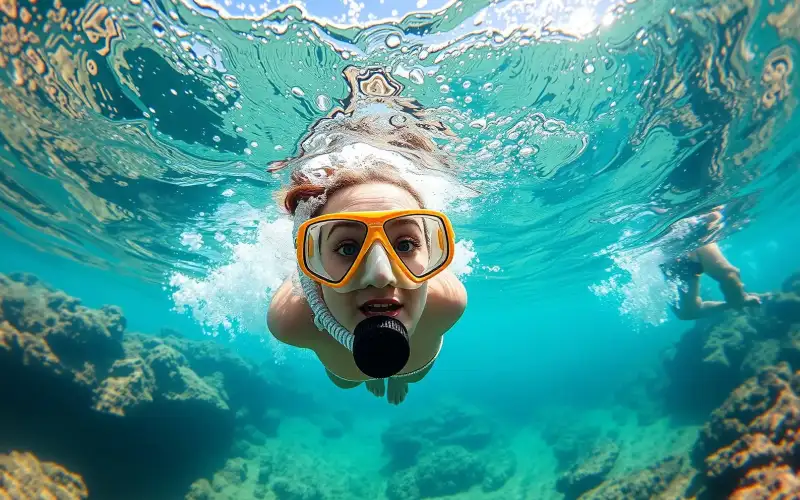
I arrived in Paphos on a grey February afternoon in 2014, convinced I'd made a terrible mistake leaving Bath. By March, I'd hired a snorkel from a beachside shack near Coral Bay, paddled out into water so clear I could count the pebbles twenty feet below, and watched a grouper the size of a dinner plate regard me with what I can only describe as professional indifference. Twelve years later, I still do the same thing most summers—and I've learned where to go, what to expect, and how to keep it safe.
Snorkelling in Paphos isn't a extreme sport. It's accessible, affordable, and genuinely rewarding if you know which beaches to visit and what conditions suit your age and experience. The waters around this corner of Cyprus are warmer than the UK, clearer than you'd expect, and home to fish species you won't see in the Atlantic. What follows is a practical guide built on years of local knowledge and conversations with dive schools, beach vendors, and fellow expats who've made this their second home.
Overview: Why Paphos Is a Snorkeller's Destination
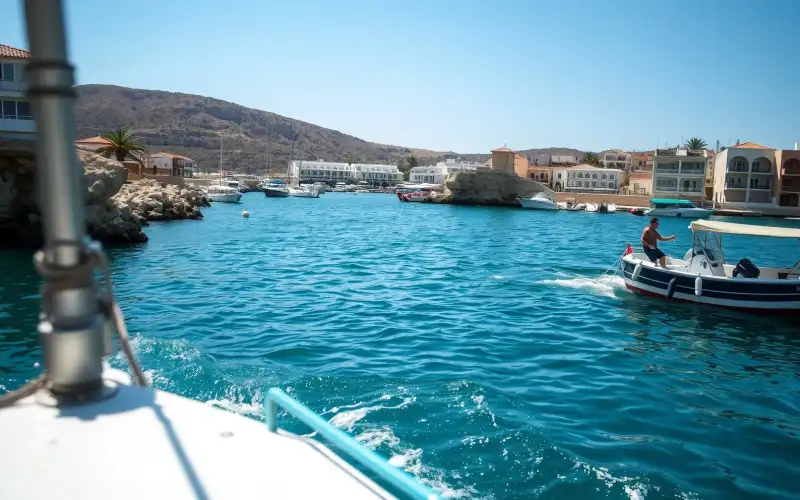
Paphos sits on the southwestern coast of Cyprus, where the Mediterranean meets limestone cliffs and sheltered bays. The seabed here is mostly sand, rock and seagrass—ideal for snorkelling because visibility typically runs 15–25 metres depending on season and wind. Summer months (June to September) offer the calmest conditions and warmest water, averaging 26–28°C. Spring and autumn are quieter and still pleasant; water sits around 20–22°C, which is perfectly fine with a thin wetsuit.
The region has been a crossroads for millennia. Paphos was the ancient capital of Cyprus, home to temples dedicated to Aphrodite, and later a Byzantine and Venetian stronghold. That history matters because it shaped the landscape you're snorkelling in. The rocky outcrops you'll explore were once part of trade routes; the sandy bays were landing sites for merchants and invaders alike. Today, they're protected as part of the Paphos UNESCO World Heritage Site, which means development is restricted and the marine environment is relatively unspoiled.
Snorkelling here costs very little. A basic mask, snorkel and fins rent for €8–15 per day from beach vendors. A full-day boat trip with a guide runs €35–50 per person. Compare that to the UK, where a similar experience might cost three times as much, and you understand why so many British retirees and families base their Cyprus holidays around water activities.
The Best Snorkelling Spots Around Paphos
Coral Bay (Peyia)
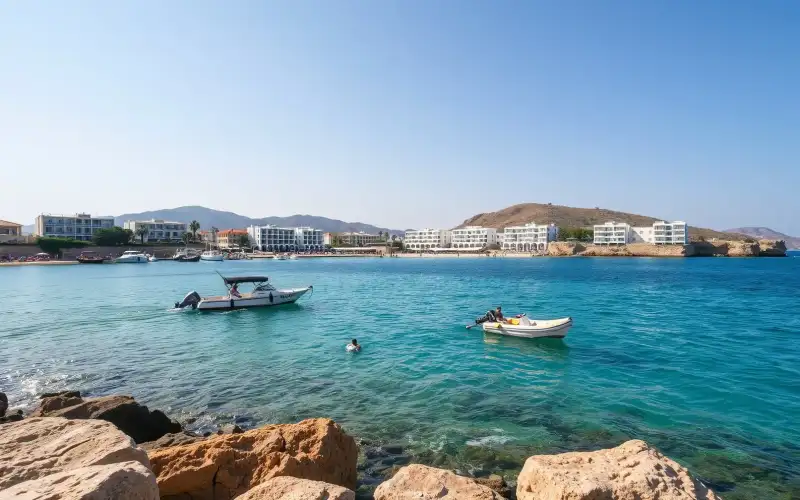
Coral Bay sits about 15 kilometres north of Paphos town, accessible by the 631 bus from the central station or a 20-minute drive. It's the most developed and family-friendly option, which means it's also the busiest. On a July afternoon, you'll share the water with dozens of other swimmers and snorkellers. Go early—by 8:30 a.m.—and you'll have peace.
The bay itself is a wide arc of golden sand flanked by low cliffs. The seabed slopes gently, reaching about 8 metres at the far edge. Visibility here is typically 12–18 metres in calm conditions. What you'll see: small groupers, wrasse in electric blue and orange, the occasional octopus tucked into rocks, and schools of bream. Larger fish are rare because the bay gets heavy foot traffic, but the sheer variety of smaller species makes it worthwhile.
Equipment hire is straightforward. Three or four vendors operate directly on the beach, with identical pricing: masks and snorkels €8, fins €5, wetsuits €10. A locker costs €2–3. The water temperature in July is warm enough that many people skip the wetsuit; in May or October, I'd recommend one, especially if you're staying in the water longer than an hour.
Coral Bay suits families with children aged 6 and up, older swimmers who want shallow water, and anyone new to snorkelling. The lifeguard station is staffed during summer, and the beach has restaurants, showers and changing facilities. Parking is free but fills quickly between 10 a.m. and 4 p.m.
Lara Beach (Akamas Peninsula)
Lara lies about 50 kilometres north of Paphos town, at the edge of the Akamas Peninsula. It's a protected nesting site for loggerhead and green sea turtles, which alone makes it special. Access is via a rough gravel road—high-clearance vehicles recommended, though ordinary cars manage it slowly. There's no public transport; you'll need a rental car or a guided tour.
The beach itself is quieter than Coral Bay, with fewer facilities. A single taverna operates seasonally. There are no commercial equipment vendors, so bring your own gear or hire from Paphos town before you leave. The sand is coarser, the water slightly cooler, and the marine life noticeably more abundant. I've seen groupers here that would make the Coral Bay fish look like minnows, plus octopi, cuttlefish, and occasionally small rays.
Lara's real draw is its remoteness and conservation status. The beach is closed to vehicles between May and October to protect turtle nests. If you visit between June and August, you might see hatchlings making their way to the sea at dusk—an experience I'd rank among the most moving things I've witnessed in twelve years here. Snorkelling in the morning and returning at sunset for turtle-watching makes for an unforgettable day.
The water depth drops more steeply at Lara than at Coral Bay, reaching 10–12 metres within 30 metres of the shore. This suits stronger swimmers and anyone comfortable in deeper water. Older swimmers or families with very young children might find Coral Bay more comfortable.
Aphrodite's Rock and Rocky Coves (Petra tou Romiou)
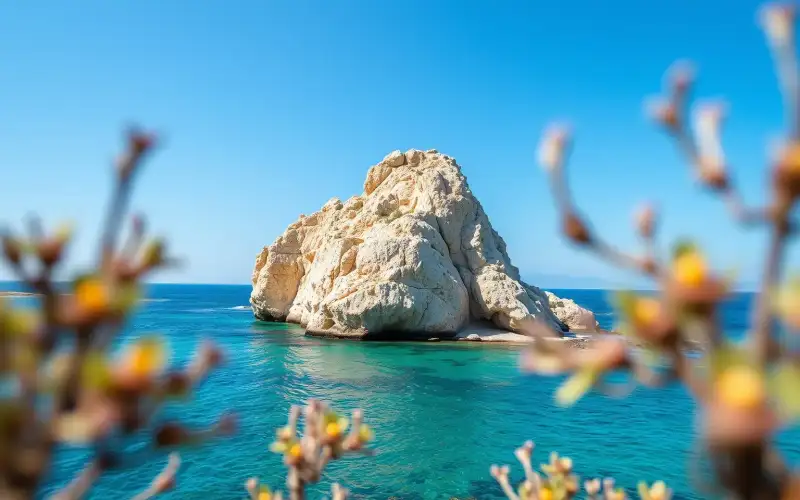
Aphrodite's Rock sits about 25 kilometres south of Paphos town, near the village of Kouklia. It's the legendary birthplace of Aphrodite, the Greek goddess of love, and one of Cyprus's most photographed landmarks. The rock itself is a massive limestone stack rising from the sea, surrounded by smaller outcrops and coves.
Snorkelling here is different from the sandy-bay experience. You're working around rocks, navigating currents, and dealing with deeper water. The seabed is rocky, with crevices and overhangs that attract larger fish and octopi. Visibility is excellent—often 20+ metres on calm days. What you'll encounter: groupers, amberjack, barracuda (harmless, curious), wrasse, and occasionally small sharks (nurse sharks, completely non-aggressive).
Access is via a steep path down from the car park. The descent takes about five minutes; the ascent is harder, especially in summer heat. There's a taverna at the top with adequate parking. Equipment hire is available from a vendor near the car park (same prices as Coral Bay). I'd strongly recommend hiring fins here—the rocky terrain is sharp, and proper footwear matters.
This spot suits experienced snorkellers, strong swimmers, and couples looking for something more adventurous than Coral Bay. It's less suitable for very young children or older swimmers with mobility concerns. The current can be strong on windy days; check conditions before entering.
What Marine Life You'll Actually See
Mediterranean snorkelling won't give you the explosion of colour you'd find on a tropical reef. The fish here are subtler, and the water is cooler. But that doesn't mean it's dull. In fact, the variety is remarkable.
Common species include several wrasse varieties—the ballan wrasse with its orange-and-blue stripes, the rainbow wrasse in iridescent green, and the smaller, silvery ornate wrasse. You'll see bream in schools, usually near sandy areas. Groupers are present in most locations; the dusky grouper and brown meagre are the most common. Octopi are frequent but elusive; you'll spot them tucked into rocks or camouflaged against the seabed. Cuttlefish are similar—intelligent, curious, and masters of disguise.
Larger fish like amberjack and barracuda appear occasionally, particularly around rocky outcrops and deeper water. They're not aggressive toward snorkellers. In twelve years, I've never had a threatening encounter. Sharks do exist in these waters—nurse sharks and the occasional small dogfish—but they avoid humans entirely.
Sponges, sea urchins, and various anemones cover the rocks. Seagrass meadows (Posidonia oceanica) are common and important; they stabilise the seabed and provide nursery grounds for juvenile fish. Don't walk through them or disturb them. They're protected under EU law.
Seasonal variation matters. Summer brings warmer water and more tourists, which can drive larger fish deeper. Spring and autumn offer better chances of encountering groupers and other substantial species. Winter (December to February) is cooler but still snorkelable; water temperature drops to 15–16°C, and you'll definitely need a wetsuit.
Equipment Hire: What to Expect and What to Bring
Hiring equipment in Paphos is straightforward and affordable. Most beach vendors operate on a daily basis, with standard pricing across locations. A full set—mask, snorkel, fins and wetsuit—costs €25–35 per day. Individual items rent separately if you prefer.
Masks vary in quality. Budget vendors offer basic plastic frames that fog easily. Mid-range masks (€3–5 rental) have better seals and anti-fog treatments. If you snorkel regularly, investing €30–50 in your own mask is worthwhile; it'll last years and fit better than rentals.
Wetsuits are important, especially outside summer. A 3mm suit (standard for Mediterranean snorkelling) costs €10 to hire, €40–80 to buy. If you own one already, bring it; rental suits are often poorly fitted and uncomfortable. For summer snorkelling, many people skip the wetsuit entirely, though I'd recommend at least a rash guard (€5 rental) to protect against sun and minor scrapes.
Fins matter more than most people think. Poor-fitting fins cause blisters and reduce efficiency. Rental fins are usually adjustable and adequate, but again, owning your own makes a difference. A decent pair costs €30–60.
Boat trips often include equipment. Several operators run daily snorkelling excursions from Paphos harbour, typically costing €40–60 per person and lasting 4–5 hours. These trips visit multiple spots, include a guide, and often provide lunch. They suit people without transport or those wanting a social experience.
Safety and Practical Considerations
For Children and Families
Snorkelling with children requires preparation. Start with very shallow water—Coral Bay's gentle slope is ideal. Children aged 6–8 benefit from close supervision and a flotation device (many rental vendors stock these). Ensure children understand basic rules: stay near an adult, don't touch marine life, don't wander into deeper water.
Sun protection is crucial. Apply waterproof sunscreen 15 minutes before entering the water, and reapply every 90 minutes. Dehydration happens quickly in Mediterranean sun; bring plenty of water. A rash guard protects skin better than sunscreen alone.
Ear and sinus issues are common in snorkelling. If your child has ear problems or nasal congestion, skip snorkelling until they're better. Equalization (balancing pressure in the ears) happens naturally in snorkelling, but congestion prevents it.
For Older Swimmers and Those with Mobility Concerns
Paphos's gentle beaches suit older swimmers well. Coral Bay is the best option—shallow water, lifeguards, and easy access. Avoid Aphrodite's Rock if you have mobility issues; the descent is steep and the ascent is genuinely hard work.
Wetsuits provide warmth and flotation assistance. Even if you don't need the warmth, the extra buoyancy makes snorkelling less tiring. A 5mm suit offers more flotation than a 3mm.
Consider renting a snorkel vest—a lightweight inflatable that provides additional buoyancy without being cumbersome. These cost €5–10 to hire and make a real difference if you tire easily.
Enter and exit the water slowly. Rocky or pebbly beaches require water shoes (€5–8 to hire). Don't snorkel alone; bring a friend or family member.
General Safety Rules
Check weather and sea conditions before you go. Wind can make beaches rough and visibility poor. Calm days are best. Avoid snorkelling alone. Tell someone where you're going and when you'll return. Don't snorkel after drinking alcohol. Know your limits—if you're uncomfortable in deep water, stay shallow. Sea urchins are present; wear shoes or fins to avoid stepping on them. Don't touch or chase marine life; observe from a distance. If you feel cold, tired or unwell, exit the water immediately.
Pros and Cons
Advantages of Snorkelling in Paphos
Accessibility is the first advantage. You don't need certification, expensive equipment, or special fitness. Equipment hire is cheap and straightforward. Multiple locations suit different ages and abilities. The water is warm in summer and clear year-round. Marine life is abundant and varied. It's affordable compared to other Mediterranean destinations or UK water activities. The setting is beautiful—limestone cliffs, sandy bays, historical significance. You can snorkel independently or join guided trips. It's a low-impact activity suitable for families, couples, and solo travellers.
Disadvantages and Limitations
Summer crowds are real. Coral Bay becomes packed between 11 a.m. and 3 p.m. The water cools significantly from November to March, requiring wetsuits. Some people experience discomfort with masks or snorkels—a gag reflex or claustrophobic feeling. Rental equipment quality varies. Currents around Aphrodite's Rock can be strong on windy days. There's no guarantee of seeing specific species; marine life is unpredictable. Some people find the Mediterranean less colourful than tropical alternatives. Getting to Lara Beach requires a car and patience with rough roads. Facilities vary dramatically between locations—Coral Bay is well-equipped; Lara is basic.
Who It's For
Snorkelling in Paphos suits families with children aged 6 and up, older couples and retirees seeking gentle activity, history enthusiasts interested in the archaeological context, solo travellers wanting a low-cost water activity, and anyone new to snorkelling wanting a forgiving environment. It suits people with moderate fitness levels and those uncomfortable with deep diving. It doesn't suit very young children (under 6), people with severe ear or sinus conditions, or those seeking dramatic tropical-style marine life.
Verdict
After twelve years in Paphos, I still consider snorkelling one of the best reasons to visit this corner of Cyprus. It's inexpensive, accessible, and genuinely rewarding. The marine life is varied, the water is clear, and the setting is beautiful. Coral Bay is perfect for families and first-time snorkellers. Lara Beach rewards those seeking quieter waters and the chance to see sea turtles. Aphrodite's Rock suits experienced swimmers wanting something more adventurous.
The key is matching the location to your abilities and expectations. Don't expect tropical colours or massive coral gardens. Do expect to see fish you've never encountered before, to float weightless above a sandy seabed, and to understand why people have lived on these coasts for thousands of years. Bring proper equipment, check the weather, respect the marine environment, and you'll have an experience worth repeating year after year.
Comments (4 comments)