
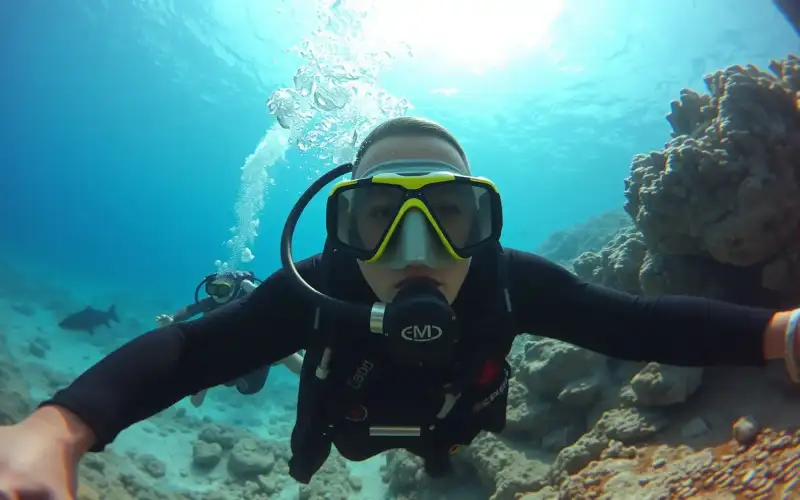
Last October, I watched a 68-year-old couple from Cheshire descend into Coral Bay's turquoise waters for their first-ever dive. Within minutes, they were surrounded by grouper, damselfish, and a moray eel poking from the rocks. Twenty minutes later, they surfaced grinning like teenagers. That's Paphos diving in a nutshell—accessible, thrilling, and genuinely humbling. Whether you're a complete beginner or a wreck-diving veteran, these waters deliver.
The Mediterranean around Paphos has transformed over the past decade. Local dive operators have mapped dozens of sites, PADI certification courses are now available year-round, and the marine life is bouncing back thanks to conservation efforts. In 2026, you'll find everything from sheltered bay dives at 5 metres to technical wreck explorations at 40+ metres. The catch? You need to know which site matches your ability, what to expect underwater, and how much you'll actually spend.
1. Coral Bay – The Perfect Beginner Launchpad
Coral Bay sits 12 kilometres north of Paphos town and is genuinely the easiest entry point into Cyprus diving. The bay is protected from wind, the seabed slopes gently to 12 metres, and visibility typically runs 15–25 metres even in winter. For absolute beginners, this is where you'll do your confined water training before heading to open water.
The reef here is low-key but lively. You'll encounter grouper, wrasse, octopus, and the occasional seahorse in the seagrass. The rocks are covered in soft corals—nothing like the Caribbean, but enough colour to make you forget you're in the Mediterranean. Most dives last 30–40 minutes and follow the same gentle slope, which means you're never far from the surface if something feels off.
Depth range: 5–12 metres. Best for: complete beginners, families with teenagers, anyone building confidence. Typical dive centre cost: €50–65 for a single dive with guide. Visibility: excellent year-round. Season: best April–October, but diveable December–March if you have a decent wetsuit.
2. Akamas Peninsula Reefs – Intermediate Beauty
Head west from Paphos, and you'll find the Akamas Peninsula—a protected nature reserve where the underwater landscape is genuinely dramatic. Sites like Paradise Reef and Amphora Reef sit between 15–30 metres and feature rocky outcrops, small caves, and dense coral gardens. These are not beginner dives, but they're not technical either. You need 10–15 logged dives and comfort at depth.
The marine life here is noticeably richer than Coral Bay. Barracuda, amberjack, and occasionally larger grouper patrol the deeper sections. I've seen divers spot dusky grouper the size of a golden retriever. The rocks themselves are encrusted with brown and red algae, gorgonians, and sponges—the whole reef feels alive in a way that shallow sites simply can't match.
Depth range: 15–30 metres. Best for: intermediate divers with 15+ logged dives. Typical cost: €70–85 per dive with guide. Visibility: 20–30 metres in good conditions. Season: April–October ideal; winter possible but choppier. Note: boat access required; most dives depart from Latchi Harbour, about 30 kilometres from Paphos town.
3. The EDRO III Shipwreck – The Advanced Crown Jewel
In December 2005, a cargo ship called the EDRO III ran aground near Akamas. Today, it's Cyprus's most famous wreck dive and arguably the Mediterranean's most accessible large-ship wreck for recreational divers. The wreck sits in 42 metres of water, with the top of the structure at around 12 metres. That range means you can explore the superstructure without deep-diving the engine room.
The EDRO III is enormous—152 metres long—and still largely intact. You'll swim past the bridge, through cargo hold sections, and along the hull where octopus and grouper have made homes in the twisted metal. Visibility is usually 20–25 metres, which means you can see the wreck's scale and structure clearly. The experience is otherworldly: a frozen moment of industrial history, now a thriving artificial reef.
Depth range: 12–42 metres (recreational divers typically explore 12–30 metres). Best for: advanced divers with 50+ logged dives, Advanced Open Water or Rescue certification, and wreck experience. Typical cost: €95–130 per dive with guide. Visibility: 15–30 metres. Season: best May–September; winter dives possible but colder (14–15°C) and occasionally choppy. Decompression stops: yes, mandatory for deeper sections. Time on wreck: 35–45 minutes depending on depth profile.
4. Zenobia Reef and Deeper Explorations
For divers wanting depth without the complexity of wreck penetration, Zenobia Reef offers a steep drop-off with excellent marine life. The reef starts at 18 metres and plunges to 40+, making it ideal for practicing buoyancy control and deep diving techniques. You'll see larger pelagic fish here—jacks, trevally, and the occasional barracuda cruising the blue.
There's also the Paphos Reef system, which includes several named sites: Constanza Wreck (a smaller, more fragmented wreck at 28 metres), and various unnamed rock formations that local guides know intimately. These sites require intermediate-to-advanced skills and are best tackled with a dive centre that knows the conditions intimately.
Depth range: 18–40+ metres. Best for: intermediate-advanced divers. Typical cost: €80–100 per dive. Visibility: 20–30 metres. Season: May–October optimal.
5. Paphos Harbour and Sheltered Bay Dives
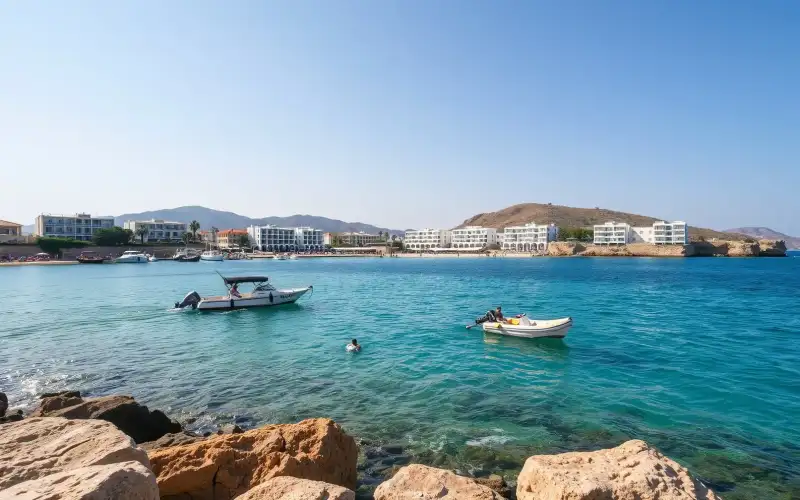
Not every dive needs to be a boat trip. Paphos Harbour itself has several shore-entry sites suitable for beginners and intermediate divers. The harbour is shallow, protected, and often home to seahorses, octopus, and small grouper. The main appeal is convenience—you can gear up at a dive centre and be underwater within 15 minutes.
Castle Rocks, just off the medieval castle in Paphos town, is another popular shore dive. Entry is straightforward, depths are 8–16 metres, and the rocks are covered in colourful life. Visibility can be variable (10–20 metres) depending on weather, but the site is genuinely charming and rarely crowded.
Depth range: 5–16 metres. Best for: beginners, families, divers wanting a quick dive without boat logistics. Typical cost: €40–55 per dive. Visibility: 10–20 metres. Season: April–October best; winter possible but visibility drops.
6. PADI Courses and Certification Options in Paphos
Most dive centres in Paphos offer PADI certification from Open Water (the baseline) through to Divemaster. Here's what's available in 2026:
- Open Water Certification (3 days, €280–350): The entry-level course. You'll do confined water training, classroom learning, and four open water dives. Most centres run this course daily with small groups (2–4 people). By day three, you're certified to 18 metres independently.
- Advanced Open Water (2 days, €220–280): Takes you to 30 metres. Includes deep diving, navigation, and buoyancy speciality dives. Recommended before tackling the EDRO III or Akamas reefs.
- Rescue Diver (3 days, €320–400): Teaches emergency procedures and self-rescue techniques. Highly recommended for anyone planning regular diving or wreck exploration.
- Specialty Courses (1–2 days, €90–150 each): Nitrox, wreck diving, deep diving, navigation, underwater photography. Mix and match to build skills for specific site types.
- Divemaster Training (5–7 days, €800–1200): Professional-level certification. Fewer people pursue this, but it's available through larger centres.
Most centres offer combined packages—for example, Open Water + Advanced Open Water in 5 days for €480–600, which saves money if you're committed to progressing quickly. Courses run year-round, though summer (June–August) books up faster.
7. Dive Centres and Operators – Where to Book in 2026
Paphos has roughly 8–10 established dive centres. The main ones are:
| Dive Centre | Location | Specialties | Typical Cost (Single Dive) | Phone/Booking |
|---|---|---|---|---|
| Paphos Dive Centre | Paphos Harbour | PADI courses, beginners, harbour dives | €50–70 | Ask at your hotel or search locally |
| Latchi Watersports | Latchi Harbour, Akamas | Boat dives, Akamas reefs, EDRO III | €80–130 | Established operator, seasonal |
| Sunfish Diving | Coral Bay | Beginner-friendly, shallow reefs, families | €50–65 | Shore-based, walk-in available |
| Akamas Dive Centre | Latchi | Advanced dives, wreck training, Akamas | €90–140 | Specialises in technical diving |
Booking: most centres accept walk-ins during high season (May–September), but it's sensible to book 24 hours ahead, especially if you want a specific site or course. Winter (November–March) often requires advance booking as centres run fewer daily trips. All major centres accept card payment and offer equipment rental (€10–20 per dive if you don't have your own).
8. Marine Life – What You'll Actually See
The Mediterranean isn't a tropical reef, but it has its own character. Here's what to realistically expect at different sites:
- Coral Bay (shallow): Damselfish, wrasse, grouper, octopus, seahorse, small moray eels, occasional barracuda juveniles.
- Akamas Reefs (intermediate): Dusky grouper, amberjack, jacks, larger wrasse species, sponges, gorgonians, octopus, cuttlefish.
- EDRO III (advanced): Grouper living in the wreck structure, jacks, barracuda, amberjack, occasional larger pelagic species, moray eels, octopus in the metal cavities.
Larger sharks (Mediterranean species) are rare but not impossible—I've heard credible reports of stray dusky sharks near Akamas, though I've never encountered one personally. Poisonous creatures: sea urchins and weever fish exist but are easily avoided by watching where you place your hands and feet. The water temperature ranges from 14°C in winter to 26°C in August—a 3mm wetsuit is minimum year-round; 5mm is more comfortable November–April.
9. Costs, Seasons, and Practical Planning for 2026
Here's a realistic budget breakdown for a diving holiday in Paphos in 2026:
- Single recreational dive (with guide, no equipment): €50–130 depending on site and operator.
- Equipment rental (if you don't own): €10–20 per dive, or €50–80 for a full week pass.
- PADI Open Water course: €280–350 (3 days, includes all training and certification).
- Boat fuel surcharge: Some operators add €5–15 per person for distant sites like EDRO III.
- Accommodation: Budget €60–120 per night for mid-range hotels near Paphos Harbour or Coral Bay. Luxury resorts are €150+.
- Flights from UK: Typically £100–200 return in 2026 (varies by season and airline).
Best season: May–September for warm water, excellent visibility, and calm seas. April and October are still excellent but slightly cooler and occasionally choppier. November–March is quieter, cheaper, and diveable but requires thicker wetsuits and patience with variable visibility. Most divers visit during the summer months, so expect busier dive boats and slightly higher prices June–August.
10. Safety, Fitness, and Medical Considerations
Diving is safe when done properly, but it requires honesty about fitness and health. You'll need to complete a medical questionnaire before your first dive—if you have heart conditions, ear problems, or take certain medications, you may be restricted or need a doctor's clearance. Most dive centres can arrange this locally.
Fitness-wise, you don't need to be an athlete, but you should be comfortable in water and able to handle basic physical exertion. Carrying a 12-litre tank and walking in fins takes effort. If you have joint problems or mobility issues, mention it to your instructor—they can adapt techniques or recommend easier sites.
Decompression sickness (the bends) is real but rare when you follow depth and time limits. All recreational dives in Paphos stay within no-decompression limits, meaning you surface directly. Nitrogen narcosis (a mild euphoria at depth) is common below 30 metres—it's not dangerous if you're aware of it, but it's why deep diving requires training and experience.
11. Gear Recommendations for Paphos Diving
If you're buying or renting:
- Wetsuit: 3mm for summer (May–September), 5mm for winter. Most divers in Paphos use 3mm year-round if they're cold-sensitive.
- Mask and fins: Rent locally unless you have a favourite setup. Paphos water is clear enough that a basic mask works fine.
- Buoyancy Compensator (BC) and Regulator: Rent unless you're diving frequently. Equipment rental is reliable and well-maintained at established centres.
- Dive Computer: Essential for tracking depth and no-decompression limits. Most dive centres include this in rental packages.
- Torch: Useful for wreck dives (EDRO III) and peering into crevices. Many centres loan these.
Total rental cost for a full week (BC, regulator, wetsuit, dive computer): €100–150. If you own gear, bring it—baggage allowance is usually generous enough on UK flights to Cyprus.
12. Logistics – Getting to Dive Sites from Paphos Town
Paphos town itself is about 15 kilometres from Coral Bay (20-minute drive), 30 kilometres from Latchi Harbour (45-minute drive), and the EDRO III is accessed by boat from Latchi (another 20 minutes by boat from the harbour). Most dive centres arrange transport or recommend taxis. A hire car gives flexibility but isn't essential if you book with operators that collect from hotels.
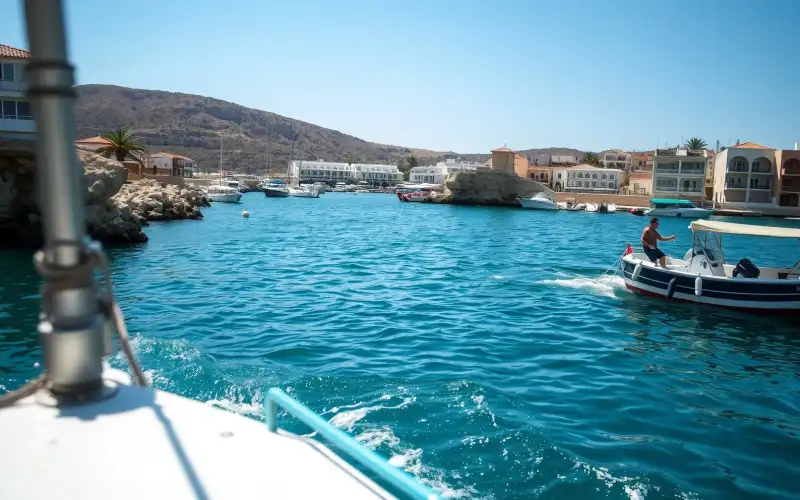
Latchi Harbour is the jumping-off point for advanced dives. It's a small fishing village with a few restaurants and tavernas—you'll spend 30–60 minutes here waiting for your boat, so grab a coffee and watch the fishing boats. The village is charming in an understated way, and the locals are used to divers.
13. Environmental Responsibility and Conservation
The Mediterranean is recovering, but it needs care. Most dive centres now follow strict environmental guidelines: no touching corals, no feeding fish, no collecting shells. The EDRO III wreck is protected, and penetration is restricted to trained wreck divers. Respect these rules—they exist because the ecosystem is genuinely fragile.
Many operators support local conservation projects. Some of the dive fees go toward monitoring fish populations and removing ghost nets. If you're interested, ask your centre what they support and consider donating to local marine charities.
14. Bad Weather and Cancellations
Winter storms can cancel boat dives for a day or two. If you're diving November–March and the sea's rough, your operator will either reschedule or offer a refund. Harbour and bay dives are more weather-resistant and can usually run even when boat dives are cancelled. Don't panic if a dive is cancelled—it's a safety decision, not laziness.
15. Final Tips for Paphos Diving in 2026
Book your PADI course before arriving if possible—it speeds up the process and lets you dive deeper sites on your holiday. Bring your certification card (or digital version) if you already have one. Eat a light breakfast before diving, stay hydrated, and avoid alcohol the night before. Most importantly, dive with operators you trust and never push yourself beyond your training. The reefs and wrecks aren't going anywhere—there's no need to rush.
I've dived in the Caribbean, the Red Sea, and Southeast Asia. Paphos doesn't have the sheer biodiversity of those places, but it has something rarer: accessibility, history, and a genuine sense of discovery. The EDRO III is a wreck you'll remember for decades. The Akamas reefs feel like your own private underwater garden. And Coral Bay? It's where diving stops being scary and starts being fun. That's worth the flight.
Bonus Tip: Combining Diving with Land-Based Exploration
If you're spending a week in Paphos, don't spend all of it underwater. Paphos is surrounded by hiking trails, archaeological sites, and villages. The Akamas Peninsula has excellent walking paths that lead to sea cliffs—you can dive the reefs one day and hike the coastal trails the next. Combine 3–4 dives with 2–3 days of land exploration, and you'll have a genuinely balanced holiday. The Paphos Archaeological Park, the medieval castle, and the mosaics at the House of Dionysus are all within 10 kilometres of the dive centres. Your muscles and mind will thank you for the variety.
Comments (4 comments)