
I stood at Lara Beach on a June evening in 2019, watching a loggerhead turtle haul herself onto the sand to nest, and thought: this is why some places must stay broken. No roads. No sunbeds. No taverna playing bouzouki at full volume. Coral Bay, by contrast, was where I took my daughter and grandchildren last August—and they've asked to go back every summer since. One beach is a nature reserve; the other is a party. Neither is wrong. Both are essential to Paphos. But which one should be on your itinerary in 2026?
The answer depends entirely on what you came to Cyprus to do.
The Essential Difference: Wild vs. Welcoming
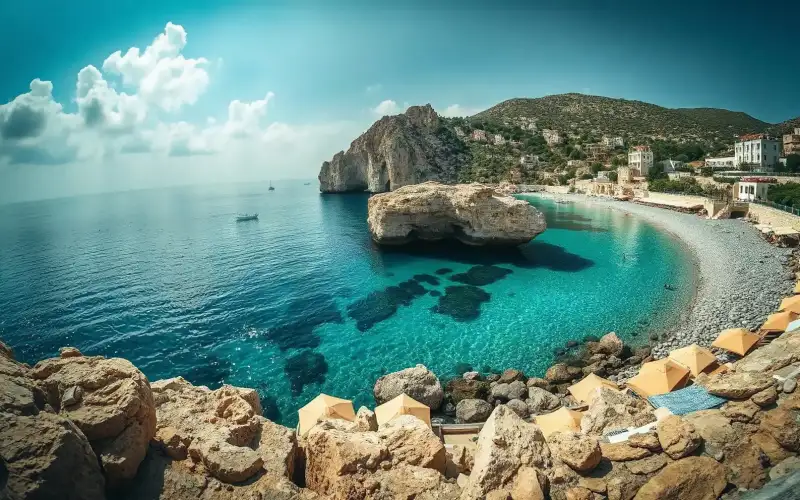
Lara Beach sits in the Akamas Peninsula, a 9,000-hectare protected area that feels less like Cyprus and more like a secret the island forgot to develop. It's one of the most important loggerhead and green turtle nesting sites in the Mediterranean. Between May and September, hundreds of eggs incubate in the sand. The beach itself stretches for about two kilometres, backed by low cliffs and scrub, with no commercial infrastructure whatsoever. You bring your own water, your own lunch, your own shade.
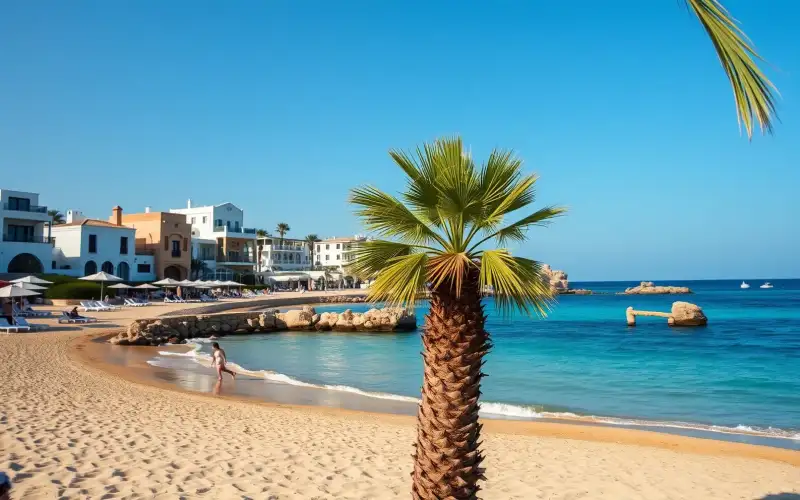
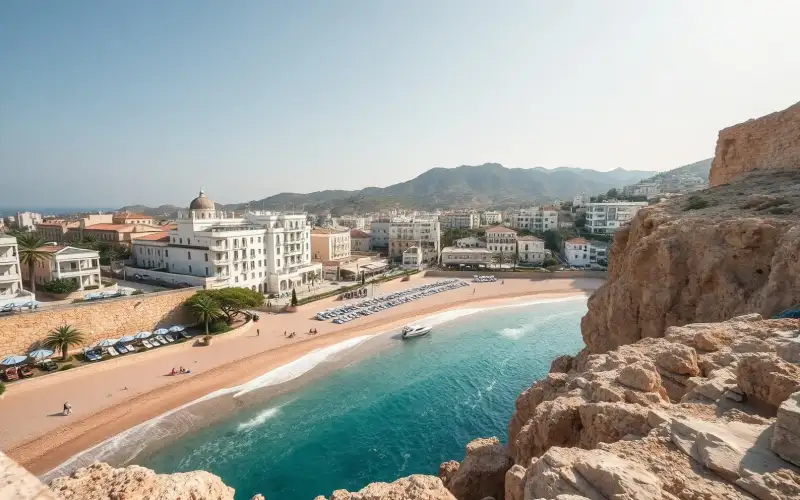
Coral Bay, ten kilometres south and a world away in atmosphere, is purpose-built for pleasure. A crescent of golden sand, perhaps 400 metres across, ringed with sunbed operators, tavernas, a diving school, and a water sports rental hut. On a busy day in July, you'll see 500 people here. On a quiet February morning, perhaps 30. It's the kind of beach where you can rent a lounger for €5, order a cold beer at 10 a.m., and not move until sunset.
The choice between Lara and Coral Bay isn't really about sand or sea temperature. It's about whether you want to feel like an explorer or a guest.
Getting There: The Real Barrier
This is where the two beaches diverge most sharply. Access to Lara is deliberately difficult—by design. There is no paved road to the beach itself. You have two options: a rough track (passable in a normal car if you're patient and don't mind the dust) or a 40-minute walk from the Akamas visitor centre car park. Many visitors hire a 4x4 for the day; others take the shuttle bus that runs from Paphos town in summer (€8 return, roughly hourly, check locally for 2026 schedules). The drive from central Paphos takes 45 minutes to an hour.
Coral Bay has a proper paved road and a large car park (€3 for the day, or free if you eat at a taverna). It's 25 minutes from Paphos town by car, or a 20-minute bus ride (route 615, €1.50 each way). Parking fills up by 10 a.m. on summer weekends, but there's always overflow space nearby.
The access difference matters more than you'd think. If you're over 65, have mobility issues, or simply want a relaxed morning without logistics, Coral Bay wins decisively. If you're fit and prepared to rough it slightly, Lara's remoteness is precisely what makes it special.
What You'll Find: Amenities and Infrastructure
Lara Beach has a small seasonal kiosk (open roughly June to September) selling cold drinks, ice cream, and basic snacks. That's it. No toilets (plan accordingly). No showers. No sunbeds, umbrellas, or pedalos. The sea is usually clear and warm from June onwards, reaching 27°C by August. The sand is fine and golden, backed by low vegetation. It's beautiful in a raw, unmanicured way.
Coral Bay offers everything you'd expect from a developed beach resort:
- Sunbeds and umbrellas (€4–6 per bed, or free if you order food)
- Three tavernas within 50 metres of the waterline
- A diving school (Coral Bay Diving Centre) offering PADI courses and guided dives
- Water sports: jet skis, pedal boats, banana rides
- Beach volleyball net
- Showers and changing facilities
- A small shop selling swimwear, sun cream, and beach toys
If you want to spend the day doing nothing but swimming, eating, and reading, Coral Bay is built for exactly that. Lara requires you to bring everything you might need and be comfortable with simplicity.
The Wildlife Question: Turtles and Tranquility
Here's what makes Lara genuinely special, and why some people will accept the rough access just to be there. Between May and September, loggerhead and green turtles come ashore to nest. The beach is closed from dusk to dawn during nesting season to protect the eggs. During the day, you might see evidence of nesting (marked-off areas, tracks in the sand), and occasionally, you'll glimpse a turtle in the water offshore.
This isn't a guaranteed spectacle—you won't necessarily see a turtle. But the knowledge that you're standing on one of the Mediterranean's most important breeding grounds changes how you experience the place. It quiets you. It makes you think about something larger than your suntan.
Coral Bay has no wildlife protection status. The water is safe, the sand is clean, but there's nothing here that requires your reverence. It's a beach for leisure, not contemplation. Both experiences have value; they're just different.
Crowds and Atmosphere: Summer vs. Shoulder Season
In July and August, Coral Bay becomes quite crowded. Expect 300–400 people on a typical sunny day, more on weekends. The tavernas are busy, the water sports are in constant use, and there's a holiday-camp energy to the place. It's fun if that's what you want; it can feel hectic if you're seeking peace.
Lara, by contrast, rarely feels crowded. Even in peak season, you might see 100 people spread across two kilometres of beach. The remoteness and lack of amenities naturally limit visitor numbers. This is deliberate conservation policy, not accident.
If you visit in May, September, or October, both beaches are quieter and warmer than winter. Coral Bay remains pleasant; Lara becomes almost empty, which some find magical and others find slightly eerie.
Practical Considerations for Different Travellers
For families with young children, Coral Bay is the clear choice. Shallow water, lifeguards (in summer), immediate access to food and shade, and the ability to rent equipment if you forget anything. Parents can relax knowing everything they need is within 50 metres.
For couples over 60 seeking a quieter experience, Coral Bay still works well if you go early (before 10 a.m.) or in shoulder season. The facilities are essential if you have any mobility concerns or health needs.
For hikers, nature enthusiasts, and people who want to feel they've genuinely travelled somewhere, Lara is incomparable. The Akamas Peninsula has walking trails, the light is extraordinary in early morning and late afternoon, and the sense of being somewhere wild and protected is real.
For divers, Coral Bay is the obvious base—the diving school is established and professional, and you can combine a morning dive with an afternoon on the beach.
What to Bring and How to Prepare
Lara Beach requires more preparation. Bring at least two litres of water per person, sunscreen, a hat, and a packed lunch or substantial snacks. If you have mobility issues or are over 75, consider the shuttle bus rather than attempting the rough track. Wear proper shoes—flip-flops aren't ideal on the unmade road. The visitor centre at Akamas has a small museum (€2.50 entry) and sells basic supplies.
Coral Bay requires only standard beach kit. Sunscreen and water are essential, as always, but you can buy both there if you forget. Wear comfortable shoes for the car park and promenade, but flip-flops are fine for the beach itself.
The Honest Truth About Each Beach
Lara Beach is stunning but demands something of you. The access is genuinely inconvenient. If you arrive expecting resort facilities, you'll be disappointed. But if you understand what you're getting—a protected natural space where your presence is tolerated, not celebrated—it's unforgettable. I've been a dozen times and never taken it for granted.
Coral Bay is exactly what it advertises: a well-maintained, family-friendly beach with good facilities and a relaxed atmosphere. It's not trying to be wild or exclusive. It succeeds at being convenient and pleasant, which is no small thing.
The real question isn't which beach is better. It's which experience you need right now. Are you seeking comfort and community, or solitude and significance? Both exist on the Paphos coast. Both are worth your time. Most visitors who stay more than a week end up trying both and discovering they're not competing—they're complementary.
Making Your Choice for 2026
If you're visiting Paphos for the first time, I'd suggest Coral Bay for your first beach day. Get your bearings, understand the rhythm of the coast, enjoy the taverna food. Then, if you feel the pull, take a day trip to Lara. Hire a car, bring supplies, and experience the Akamas wilderness. You'll understand why some places are protected and why that protection matters.
If you're returning to Paphos for your tenth season, you probably already know which beach calls to you. But try the other one anyway. Lara in September, when the summer crowds have gone and the light turns golden, is a completely different experience from Lara in July. Coral Bay on a quiet October morning, when the water is still warm and the families have left, reveals a different kind of beauty.
Both beaches will be there in 2026. Both will be worth your time. The choice, as always, is yours.

Comments (2 comments)