
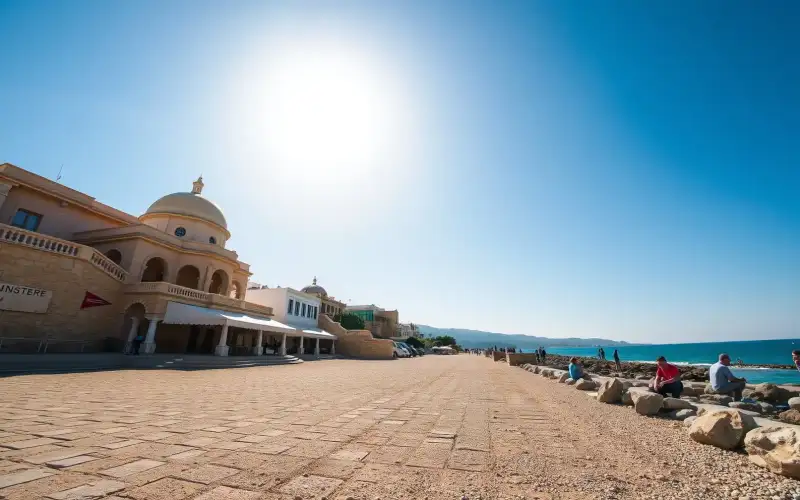
Last July, I stood at the entrance to the Tombs of the Kings at 11:45 a.m. on a Tuesday. Three coach buses were parked in the lot. Three. By noon, the site had turned into a car park of tour groups, all moving in lockstep through the same necropolis chambers, all stopping at the same viewpoint, all sweating through identical itineraries. My youngest asked why we couldn't go inside. We didn't. We drove to Aphrodite's Rock instead and found exactly four other people there. That's the difference timing makes in Paphos during summer 2026.
The Problem: Summer in Paphos Is Packed—But It Doesn't Have To Be
Paphos in July and August pulls roughly 150,000 visitors monthly. Not all at once, but enough that the major archaeological sites—Tombs of the Kings, the Archaeological Park, Aphrodite's Rock—become bottlenecks between 10 a.m. and 3 p.m. The heat compounds the misery. Ground temperatures regularly hit 48–50°C on asphalt, and the sites offer minimal shade. You're not just dodging crowds; you're avoiding heat exhaustion.
Most British visitors book package holidays in June, July or August. Families coordinate school holidays. Retirees assume summer is the only option. The result: predictable, crushingly busy periods that make even a two-hour visit feel like a forced march. The Tombs of the Kings, which should be contemplative and atmospheric, becomes a scrum. The Archaeological Park's mosaics lose their impact when you're jostled between forty other people per viewing platform.
But here's what most guidebooks don't tell you: Paphos has genuine quiet windows even in peak season. They're narrow, they require planning, and they demand flexibility—but they exist. I've found them through three years of visiting with three kids in tow, and they've transformed how we experience these sites.
Why Timing Matters More Than You Think
The crowds at Paphos attractions aren't random. They follow coach tour schedules, flight arrival times, and established tourist routines. Understanding these patterns gives you a massive advantage.
Coach Tours Run on Predictable Schedules
Most organized tours visit Tombs of the Kings between 10 a.m. and 1 p.m. This is deliberate: hotels serve breakfast until 9:30 a.m., coaches need time to collect guests, and tour operators want to finish by lunchtime. The Tombs are packed during these hours. Arrive at 8:30 a.m. when gates open, and you'll have 90 minutes of relative peace. After 2 p.m., a second wave hits—afternoon tours from Limassol and the Troodos region. By 4 p.m., the site empties again as people head back for dinner.
Weekday vs. Weekend Patterns
Weekends (Saturday and Sunday) see 30–40% more visitors than weekdays. Friday is busier than Monday. This matters. If you're staying in Paphos for a week in July, visiting attractions on Tuesday, Wednesday or Thursday will cut your crowds by a third compared to Saturday. The difference is tangible—you move through sites at your own pace, photograph without strangers in frame, and actually read the interpretive signs.
Shoulder Months Are Your Secret Weapon
June and September are dramatically quieter than July and August. June averages 110,000 visitors to Paphos district; July averages 150,000. That's a 36% difference. If your schedule allows any flexibility—if you can visit in early June or mid-to-late September—you'll experience Paphos in a completely different way. The heat is still substantial (35–38°C), but manageable. Crowds are half what they are in peak season.
Specific Timing Strategy for Each Major Attraction
Tombs of the Kings: The 8:30 a.m. Window
Opening hours: 8:30 a.m. to 8 p.m. (summer 2026). Gates open at 8:30 a.m. sharp. Arrive by 8:40 a.m., and you'll have the site almost entirely to yourself for 60–90 minutes. The tombs are carved into limestone cliffs overlooking the sea, and the light at that hour is extraordinary—golden, low-angle, perfect for photography and contemplation. By 10 a.m., the first coach buses pull in. By 10:30 a.m., you're sharing pathways with 200+ people.
If early morning doesn't work, return after 4 p.m. The afternoon tour wave clears by 3:30 p.m. Between 4 p.m. and 6 p.m., you'll find maybe 20–30 people on site. The light is still good (sunset isn't until 8:15 p.m. in mid-July), and the heat has dropped to a tolerable 42–44°C. Entrance fee is €4.50 per adult. Budget 90 minutes minimum to walk the main chambers and viewpoints properly.
Paphos Archaeological Park: Early Entry + Weekday Strategy
Opening hours: 8:30 a.m. to 8 p.m. (summer 2026). This 56-hectare site contains the House of Dionysus, House of Aion, Odeon and other Greco-Roman structures. It's the most visited attraction in Paphos, and it shows. The mosaics in the House of Dionysus are world-class, but they're barely visible when you're queuing with forty other people for a viewing platform.
Arrive at 8:30 a.m. on a Tuesday or Wednesday. You'll have the entire site to yourself until 9:45 a.m. The Odeon (a restored Roman theatre) is genuinely atmospheric when empty. The mosaics—depicting Dionysus, mythological scenes, geometric patterns—demand time and quiet to appreciate. Entrance fee is €9 per adult. Allow 2–2.5 hours to see everything properly. Skip the site entirely between 11 a.m. and 3 p.m. unless you enjoy crowds and heat. Return after 4 p.m. if early morning isn't feasible.
Aphrodite's Rock (Petra tou Romiou): Timing the Light and Avoiding Sunset Crowds
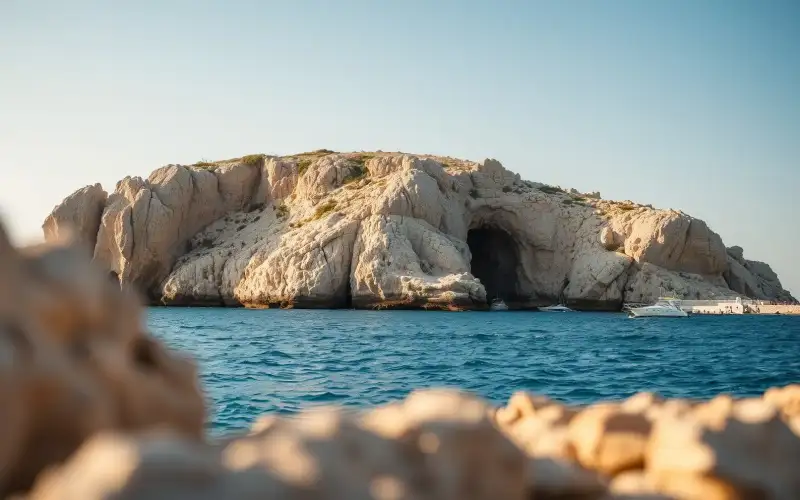
This isn't a ticketed attraction—it's a natural monument and beach, 25 km east of Paphos town centre. No opening hours, no entrance fee. But it does have predictable crowd patterns. The site is most visited between 4 p.m. and 7 p.m. as people chase sunset photography. If you want solitude, go at 9 a.m. or 1 p.m. The rock is equally dramatic in full sunlight, and you'll have the beach and viewpoints nearly to yourself.
Parking is limited (roughly 40 spaces). Arrive early in the day and you'll find spaces easily. Arrive at 5 p.m. in July and you'll be circling for ten minutes. The beach is pebbly, the water is clean and warm (27–28°C in July), and the mythology is compelling—this is where Aphrodite supposedly emerged from the sea. Allow 60–90 minutes if you want to swim, photograph and sit with the view.
The Shoulder Season Advantage: June and September 2026
If you have any flexibility in booking dates, June and September are transformative. Here's what changes:
- Crowds: 30–40% fewer visitors than July–August. Sites feel genuinely peaceful rather than managed.
- Heat: June averages 32–34°C; September 30–32°C. Still warm, but not dangerous. You can comfortably visit sites between 10 a.m. and 2 p.m. without heat stress.
- Accommodation: Hotels and villas drop prices by 15–25% compared to peak season. Better availability too.
- Beaches: Sea temperature is 26°C in June, 27°C in September—slightly cooler than July–August but still swimmable.
Early June (1–15 June) is particularly good. Schools in the UK haven't broken up yet, so families are absent. The weather is stable. The Tombs of the Kings might have 50 people on-site at noon instead of 300. If you can shift your holiday by two weeks, do it.
July and August: Strategies for Peak Season
If you're locked into peak season—school holidays, retirement schedules, family commitments—these strategies work:
Master the 8:30 a.m. Opening
This is non-negotiable for major sites. Set your alarm. Have breakfast at your accommodation. Arrive at the Tombs or Archaeological Park when gates open. You'll have 60–90 minutes of near-solitude. It's worth losing sleep.
Embrace the Siesta Window (1 p.m. to 4 p.m.)
This is counterintuitive, but midday heat actually works in your favour. Most tourists retreat to beaches, pools or air-conditioned restaurants between 1 p.m. and 4 p.m. The archaeological sites are genuinely quiet. Yes, it's hot. But it's hot in your hotel room too, and you'll have the Odeon or the Tombs nearly to yourself. Bring water (at least 2 litres per person), wear sunscreen, and move slowly. The trade-off is worth it.
Target Weekdays, Not Weekends
If you're in Paphos for a week in July, plan your site visits for Tuesday, Wednesday and Thursday. Save beaches and restaurants for weekends when crowds don't matter as much.
Visit Secondary Sites Instead of Chasing the Famous Ones
Paphos has excellent attractions beyond the big three. The Paphos District Archaeological Museum (free entry, open 8 a.m. to 4 p.m. weekdays) is quiet even in July. The Ethnographic Museum in Geroskipou village is peaceful and showcases traditional Cypriot life. Kato Paphos harbour is beautiful at any time and far less crowded than the main beach.
Practical Planning: A Real-World Example
Let's say you're visiting Paphos for a week in mid-July 2026 with two teenagers and a partner. Here's how I'd structure it:
| Day | Activity | Timing | Why |
|---|---|---|---|
| Tuesday | Tombs of the Kings | 8:30–10:15 a.m. | Early entry, weekday, minimal crowds |
| Wednesday | Archaeological Park | 8:30–11 a.m. | Early entry, weekday, beat coach tours |
| Thursday | Aphrodite's Rock + beach | 9 a.m.–1 p.m. | Morning light, parking available, no sunset crowds |
| Friday | Relaxation day | Beach or pool | Busier day; save for low-stakes activities |
| Saturday–Sunday | Local village exploring or secondary museums | Flexible | Crowds don't matter; focus on experience over timing |
This schedule gets you to the major sites during their quietest windows and respects the natural rhythm of summer tourism. You're not fighting the crowds; you're working around them.
What to Bring and How to Stay Safe
Visiting archaeological sites in Paphos summer heat requires preparation. Bring at least 2 litres of water per person. Wear high-SPF sunscreen (reapply every 90 minutes). A wide-brimmed hat or cap is essential—the sun is relentless, and shade at these sites is scarce. Comfortable walking shoes are critical; the Tombs involve climbing limestone steps, and the Archaeological Park requires 2+ km of walking on uneven ground.
Start early, drink constantly, and don't push through heat exhaustion. If you feel dizzy, nauseous or confused, stop immediately and find shade and water. It's not worth collapsing for a photograph.
The Bottom Line
Paphos in summer doesn't have to mean crowds and misery. The sites are genuinely extraordinary—the Tombs are haunting, the mosaics are stunning, Aphrodite's Rock is mythologically and visually compelling. But experiencing them properly requires timing. Arrive early, visit on weekdays, embrace the siesta window, or shift your holiday to June or September if you can. The difference between visiting at 11 a.m. on a Saturday in July and 8:45 a.m. on a Tuesday in June isn't just comfort—it's the difference between a rushed tourist experience and an actual encounter with history.
Comments (4 comments)